Jump to What Matters
Here's the thing: if you're looking at a Bombay cat and thinking it's just a fancy name for a black cat, you're missing out on some crucial details. I've been involved in cat breeding and rescue for over ten years, and I've seen too many people adopt a black cat expecting a Bombay's personality, only to end up surprised. Let's clear this up right away—Bombay cats are a specific breed with unique traits, while "black cat" can refer to many different breeds or mixes. This guide will walk you through the differences, so you can make a choice that fits your lifestyle.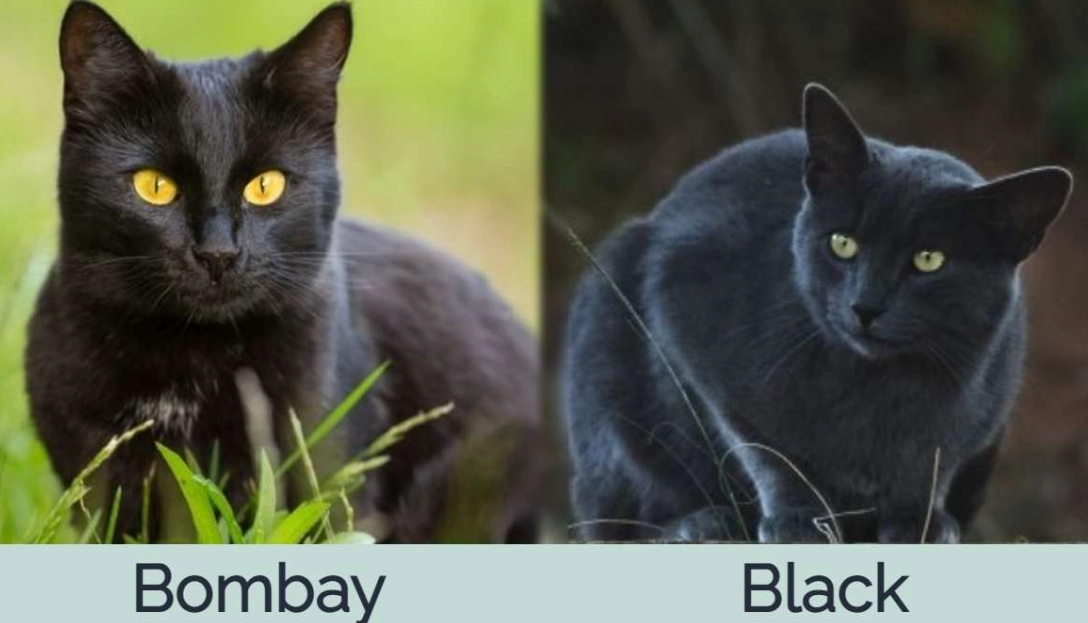
What Exactly is a Bombay Cat?
Bombay cats were intentionally bred in the 1950s to resemble a miniature panther. They're not just black; they have a glossy, patent-leather coat that feels like satin. The breed standard, as defined by organizations like The International Cat Association (TICA), requires specific features: copper or gold eyes, a muscular build, and a short, sleek coat. I remember visiting a breeder who showed me how a true Bombay's eyes should glow—almost like pennies in the light. If the eyes are green or yellow, it might not be a purebred Bombay.
Personality-wise, Bombays are often called "velcro cats" because they stick to their humans. They're social, playful, and tend to get along with kids and other pets. But here's a nuance many sites skip: Bombays can be prone to separation anxiety. If you're out all day, they might not be the best fit unless you have another cat for company. I've had clients who work long hours and found their Bombay destructive when left alone—something you don't always hear in breed descriptions.
The Truth About Black Cats
When people say "black cat," they could mean anything from a domestic shorthair to a specific breed like a British Shorthair or an Oriental that happens to be black. Black is just a color, not a breed. In shelters, most black cats are mixed breeds, and their personalities vary wildly. I've fostered dozens of black cats over the years—some were shy and independent, while others were cuddly and outgoing. It really depends on their genetics and upbringing.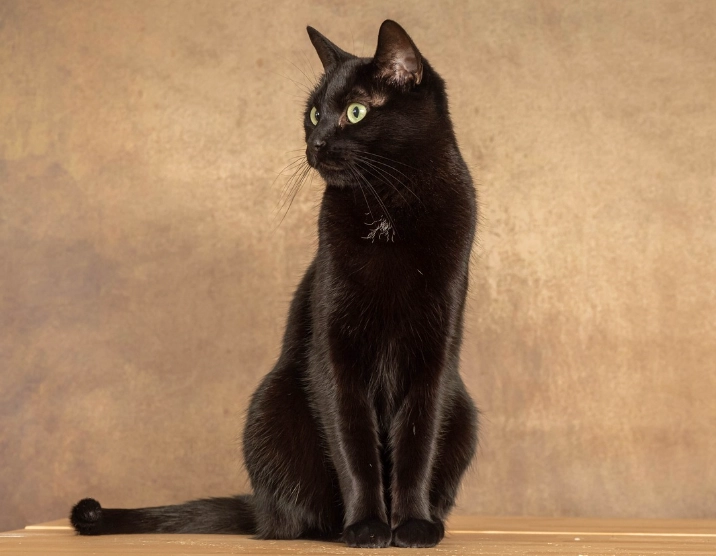
There's a myth that black cats are less adoptable, which breaks my heart. Studies, like those referenced by the ASPCA, show that color doesn't affect personality, but superstitions still linger. From a health perspective, some black cats might have a genetic advantage. For example, research suggests that the genes for black fur could be linked to disease resistance, though this isn't proven for all breeds. Don't assume a black cat is just a generic pet; each one has its own quirks.
Side-by-Side Comparison: Bombay vs Black Cat
Let's break this down with a table to make it easy. This compares a purebred Bombay cat to a typical mixed-breed black cat you might find in a shelter.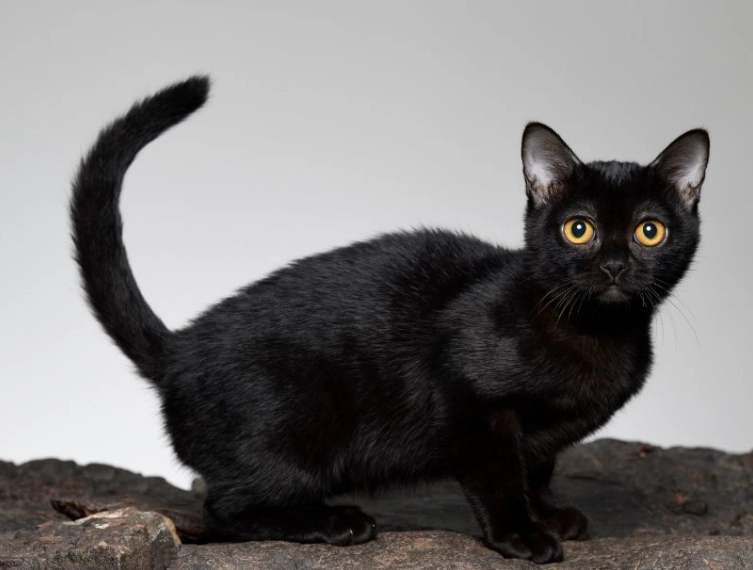
| Aspect | Bombay Cat | Mixed-Breed Black Cat |
|---|---|---|
| Coat | Glossy black, short, and smooth; feels like patent leather | Black, but texture varies—can be long, short, coarse, or soft |
| Eyes | Always copper or gold; round and expressive | Any color: green, yellow, blue, or heterochromia |
| Personality | Social, affectionate, dog-like; enjoys play and attention | Unpredictable; can range from aloof to friendly based on breed mix |
| Health | Prone to hypertrophic cardiomyopathy (heart disease) and gum issues | Generally robust, but depends on lineage; fewer breed-specific risks |
| Grooming Needs | Low; weekly brushing suffices due to short coat | Variable; long-haired black cats need daily brushing |
| Cost | High: $500 to $2000 from a breeder | Low: often under $100 from shelters |
After the table, let's dive deeper. The coat difference isn't just about looks. A Bombay's coat is single-layered, which means less shedding but also less insulation. I've seen Bombays get chilly in cooler climates, so keep that in mind if you live somewhere cold. For black mixed breeds, shedding can be a bigger issue, especially during seasonal changes. One of my own black cats, a domestic longhair, leaves fur everywhere—it's a trade-off for his fluffy charm.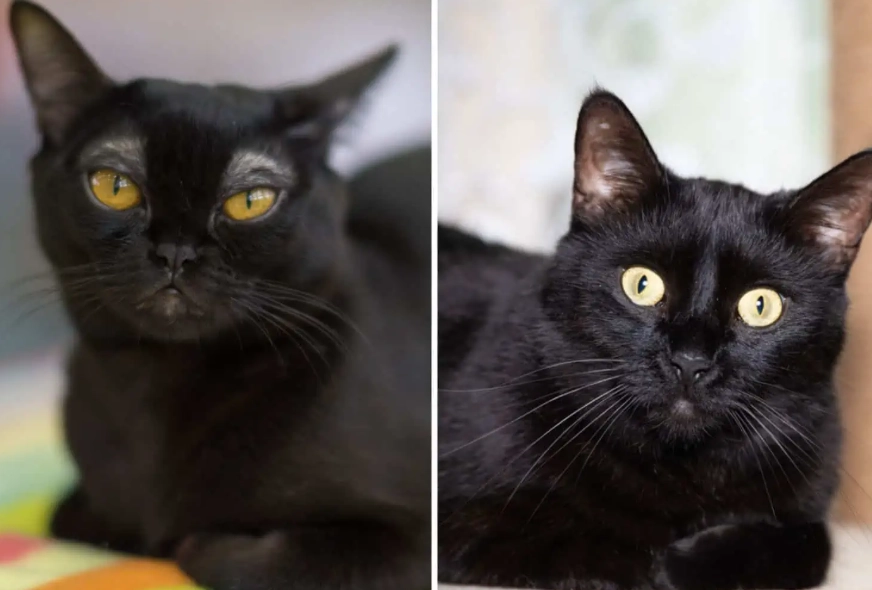
Health is another big one. Bombays, due to selective breeding, have a higher risk of certain conditions. According to veterinary resources, regular heart screenings are recommended for Bombays. On the flip side, mixed-breed black cats often benefit from hybrid vigor, meaning they might have fewer genetic problems. But they're not immune—I've had black fosters with common issues like dental disease, so regular vet check-ups are key for any cat.
Temperament: Beyond the Stereotypes
Bombays are often described as extroverts, but I've met a few that were surprisingly reserved. It depends on socialization. If a Bombay isn't exposed to different people early on, they might shy away from strangers. For black cats, the "spooky" stereotype is nonsense. Most are just as loving as any other cat. A study from the University of California, Davis, found that coat color has minimal impact on behavior, so don't let myths sway you.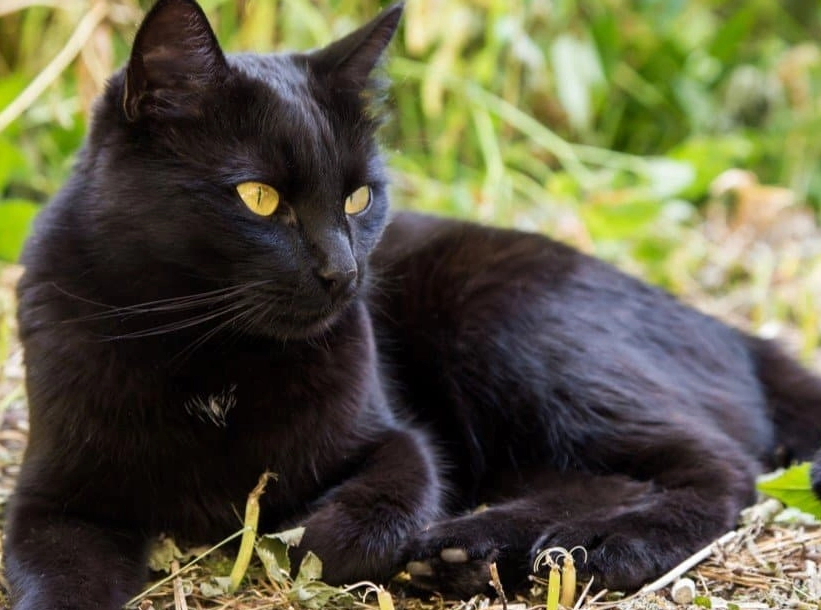
How to Decide Between a Bombay and a Black Cat
Think about your daily routine. If you want a cat that'll greet you at the door and follow you around, a Bombay might be perfect. But if you travel frequently or work long hours, a more independent black mix could be better. I've advised many first-time cat owners to visit shelters and interact with black cats—you might find a gem with a Bombay-like personality for a fraction of the cost.
Consider your budget too. Bombays come with upfront costs and potential health expenses. Shelters often include vaccinations and spaying/neutering in the adoption fee, making black cats more affordable. Here's a personal tip: spend time with the cat before deciding. I once adopted a black cat thinking she'd be low-maintenance, but she turned out to need more playtime than my Bombay. It's all about individual fit.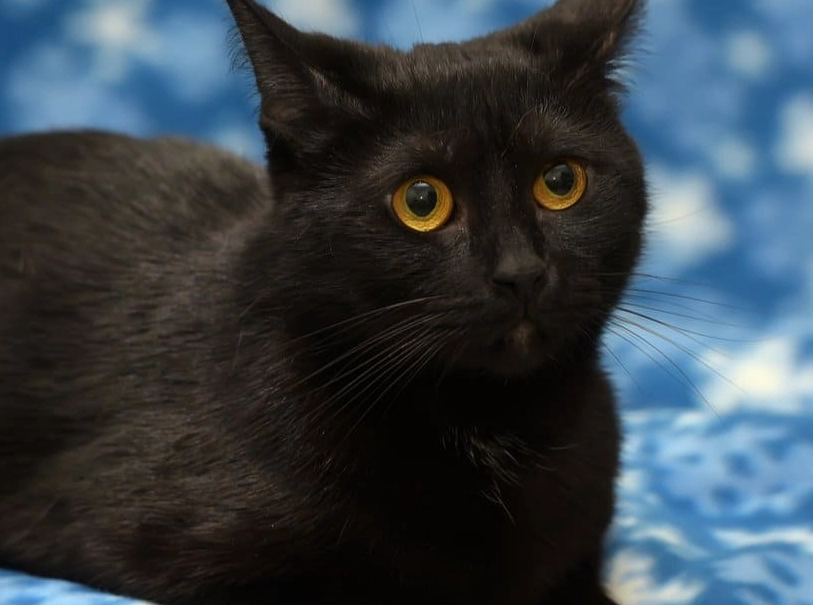
Quick Checklist for Your Decision:
- Do you have time for daily interaction? Bombays demand more attention.
- Are you prepared for possible health issues? Bombays may need specialized care.
- Is budget a concern? Shelter black cats are cost-effective.
- What's your living situation? Bombays adapt well to apartments, but any cat can thrive with enough space.
Common Mistakes People Make
One huge error is assuming all black cats are the same. I've seen people adopt a black domestic shorthair expecting it to act like a Bombay, then get frustrated when it's more aloof. Another mistake is overlooking shelter black cats due to superstitions. In reality, they can be just as loving and unique. Also, some breeders market "black cats" as Bombays without proper papers—always ask for documentation from organizations like CFA or TICA to ensure you're getting a purebred.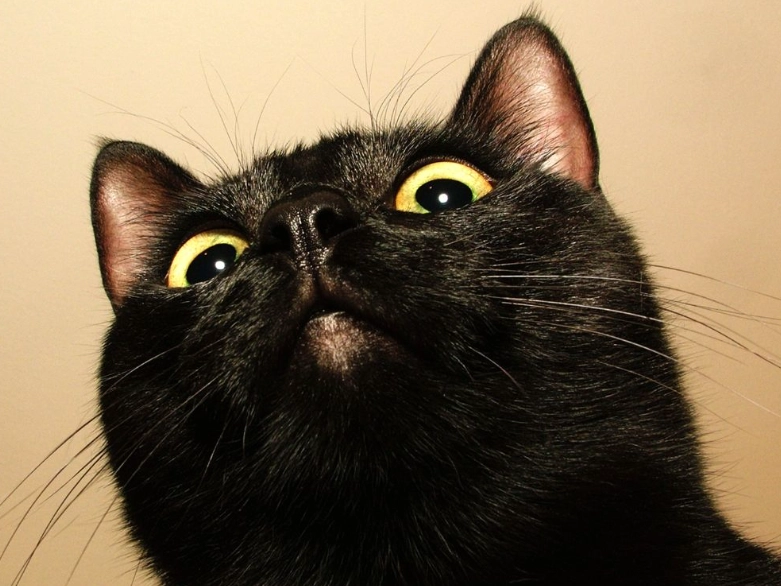
From a care perspective, people often neglect dental health in black cats because stains are less visible. But gum disease is common in all cats, so regular brushing is essential. I learned this the hard way when my first black cat needed expensive dental work. Don't skip vet visits just because your cat looks fine.
Your Questions Answered
In my years working with cats, I've learned that every feline is unique. Whether you choose a Bombay or a shelter black cat, what matters is the bond you build. Don't get hung up on labels; instead, look for a companion that fits your heart and home.