Quick Navigation
- The Science Behind the Sunshine: Orange Tabby Genetics 101
- Breaking Down the Four Classic Tabby Patterns
- The "Ginger Gene" Personality: Myth or Purrfect Truth?
- What It's Really Like to Live With an Orange Tabby Cat
- Health and Lifespan Considerations
- The Real Cost of Care: A Breakdown
- Finding Your Own Orange Tabby Cat: Adoption vs. Breeder
- Orange Tabby Cat Care: Beyond the Basics
- Frequently Asked Questions About Orange Tabby Cats
- The Final Word: Is an Orange Tabby Cat Right for You?
Let's get this out of the way first, because it's the biggest mix-up people have. When you search for "orange tabby cat," you might think you're looking at a specific breed like a Persian or a Siamese. You're not. That sunny, striped cat on your neighbor's porch or blowing up your Instagram feed is defined by its coat color and pattern, not its breed. The term "tabby" refers to those distinctive markings—stripes, dots, swirls—and "orange" is, well, the color. It's a look that can show up in many cat breeds, from the common Domestic Shorthair to fancy Maine Coons. This is actually great news for anyone wanting one, because it means your chances of finding a wonderful orange tabby cat are way higher. Shelters are full of them.
I've had two orange tabbies in my life. One was a total couch potato who lived for naps and chin scratches. The other was a tiny, fearless explorer who once tried to fight a vacuum cleaner. Both were labeled simply "Domestic Shorthair" at the shelter. Their personalities were worlds apart, but that gorgeous, warm coat was the same. It's that coat, and the reputation that comes with it, that we're really here to talk about.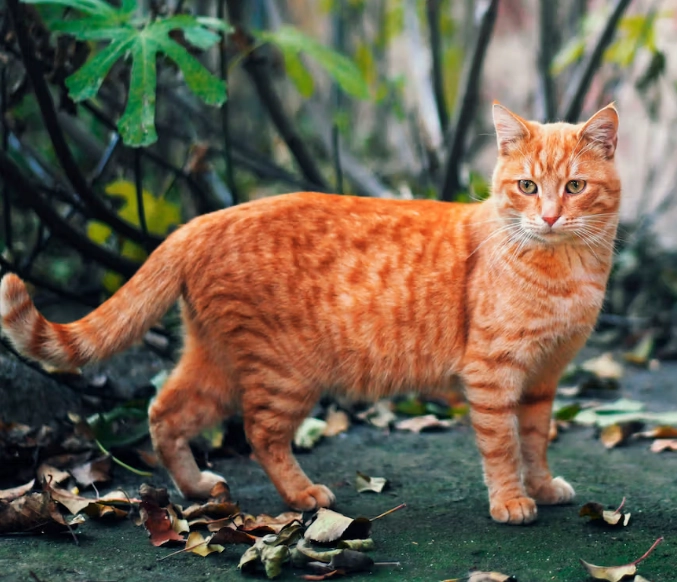
Key Takeaway: An orange tabby is a coat type, not a cat breed. This pattern can appear in many breeds, making these charismatic cats widely available.
The Science Behind the Sunshine: Orange Tabby Genetics 101
Why are some cats ginger? It all comes down to a little genetics. The orange color in cats is caused by a gene called the "O" (orange) gene. This gene is on the X chromosome. Here’s where it gets interesting for orange tabby cats.
Female cats have two X chromosomes (XX). To be an orange tabby, she needs the "O" gene on both of her X chromosomes. If she has the "O" gene on only one, she might become a tortoiseshell or calico (those beautiful patchwork cats). Male cats, on the other hand, have one X and one Y chromosome (XY). If that single X chromosome carries the "O" gene, bam—he's an orange tabby cat. This is why roughly 80% of orange tabbies are male. It's just statistically easier for the genetic dice to roll that way for males.
The tabby pattern itself is a different story. All cats carry the gene for a tabby pattern. It's the default. Other solid colors like black or chocolate actually have a modifier gene that hides the tabby pattern. In orange cats, that modifier doesn't exist. The orange color and the tabby pattern are a package deal. You literally cannot have a solid orange cat. Every single orange cat is a tabby of some kind. Mind blown, right?
Breaking Down the Four Classic Tabby Patterns
Not all orange tabby cats are striped the same. There are four main patterns recognized by cat associations like The Cat Fanciers' Association (CFA). Knowing these helps you appreciate the art on your cat.
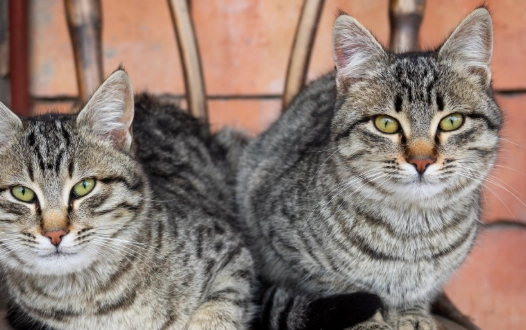
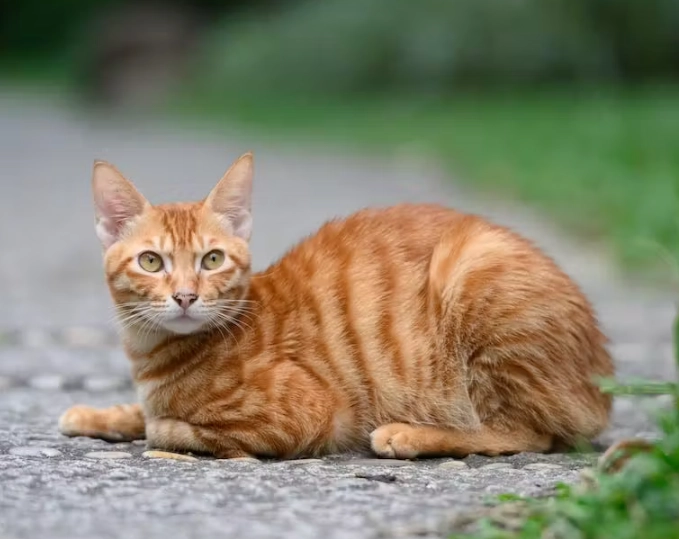
- Mackerel Tabby: This is the classic "tiger stripe." Think narrow, parallel stripes running vertically down the cat's sides. It's probably the most common pattern you picture when you hear "tabby." My first cat had perfect mackerel stripes; he looked like a little orange tiger.
- Classic Tabby (or Blotched Tabby): This pattern features bold, swirling patterns on the sides that often look like marble cake or bullseyes. It's a more dramatic, swirling pattern compared to the straight lines of the mackerel.
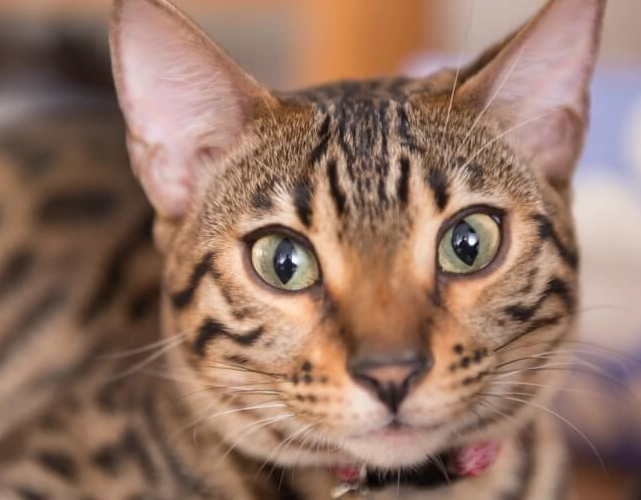
- Spotted Tabby: Instead of stripes or swirls, the cat is covered in spots of various sizes. Some people think this is just a broken-up mackerel pattern, and genetics are still being figured out here. It gives the cat a wild, leopard-like appearance.
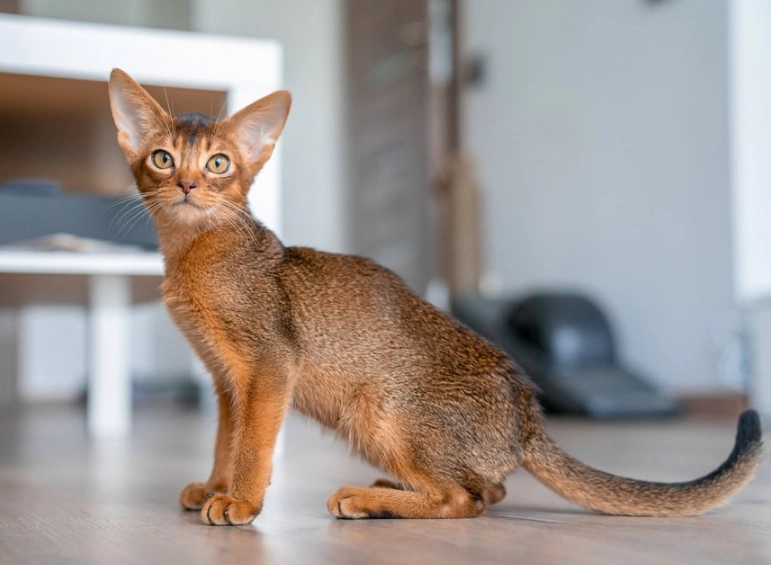
- Ticked Tabby (or Agouti Tabby): This one is sneaky. From a distance, the cat might look like a solid sandy color. But up close, each individual hair is banded with alternating light and dark colors. You see the tabby pattern most clearly on the face and legs. Abyssinian cats are a prime example of a breed that shows the ticked pattern.
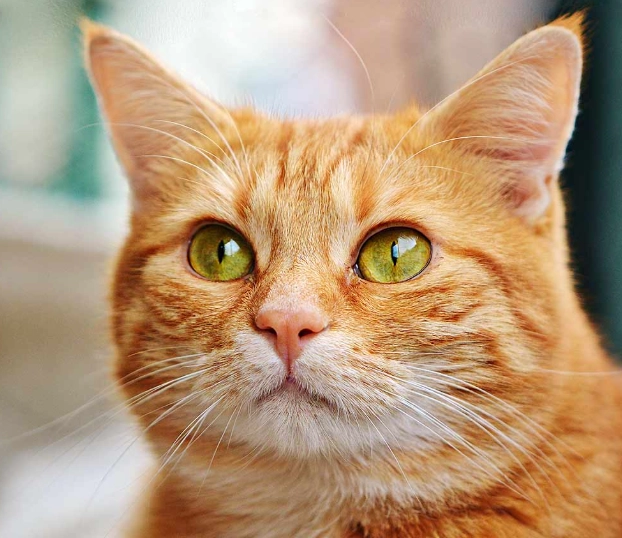
Most orange tabby cats you meet will be mackerel or classic. The spotted and ticked are a bit rarer in the everyday mixed-breed population, but they're out there!
The "Ginger Gene" Personality: Myth or Purrfect Truth?
Okay, let's tackle the big one. The stereotype is that orange tabby cats are all super friendly, outgoing, chatty, and maybe a little bit on the goofy side. The internet is full of memes about chaotic orange cat behavior. Garfield is lazy and food-obsessed. But is any of this real, or just confirmation bias?
From my experience and from talking to countless vets and shelter workers, there does seem to be a kernel of truth to it. But it's not a hard rule. It's more of a strong trend. Many, many orange tabby cat owners report exceptionally social and affectionate pets. A study often cited in discussions about cat color and personality is from the University of California, Davis, which surveyed cat owners. While not exclusively about orange cats, it found correlations between coat color and behavior, with orange cats often scoring high on friendliness.
My current orange boy, Marmalade, is a walking stereotype. He greets everyone at the door, follows me from room to room "helping" with chores, and has a specific chirp he uses to demand breakfast. My friend's grey cat, however, is aloof and hides under the bed when company comes. The difference is night and day. But I also know a very shy, reserved orange tabby. So the stereotype isn't a guarantee—it's just a pretty good bet.
Why might this be? It's unlikely the color gene itself directly codes for personality. A more plausible theory is linked to that genetics lesson earlier. Since most orange tabbies are male, and some studies suggest male cats (especially neutered ones) can be slightly more easygoing and human-focused than females on average, the stereotype gets reinforced. We see a friendly orange cat, assume it's because he's orange, and the legend grows.
Let's Debunk: Are all orange tabby cats dumb or clumsy? Absolutely not. This is a harmful and silly internet trope. Orange cats are just as intelligent and coordinated as cats of any other color. They might be more willing to do silly things for attention, which gets recorded and shared online, creating a biased sample.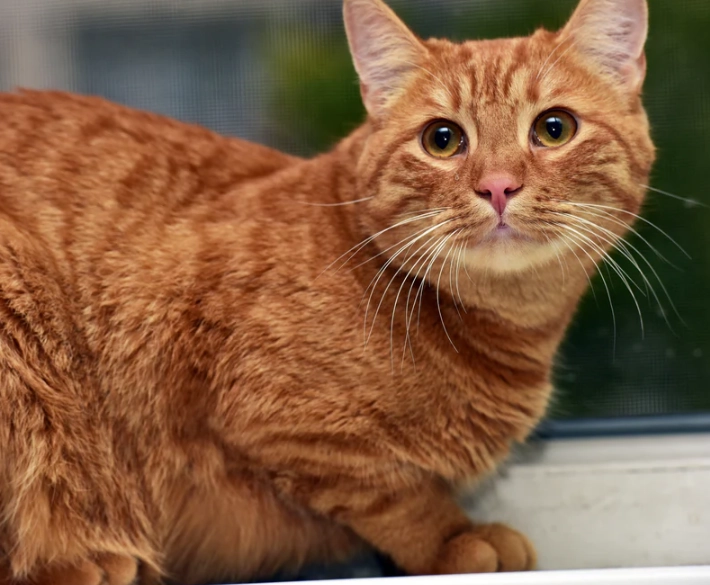
What It's Really Like to Live With an Orange Tabby Cat
Beyond the personality hype, what does daily life entail? If you're considering adopting an orange tabby cat, here’s a no-nonsense look at the practicalities.
Health and Lifespan Considerations
Orange tabby cats don't have specific health problems tied to their coat color. Their health is determined by their breed (if they are purebred) and their overall genetics. As a group, mixed-breed Domestic Shorthairs (which most orange tabbies are) are generally robust and healthy.
However, there is one noted correlation. Some veterinary studies, including resources from institutions like the Cornell University College of Veterinary Medicine, have indicated that orange cats may be more prone to dental issues. This isn't a definitive fact for every orange cat, but it's a good reminder for any pet owner to prioritize dental care—regular check-ups and possibly tooth brushing.
The biggest health factor for any cat, orange or otherwise, is whether they are kept indoors. Indoor cats live significantly longer, safer lives, away from cars, predators, fights, and diseases. A well-cared-for indoor orange tabby cat can easily live 15-20 years.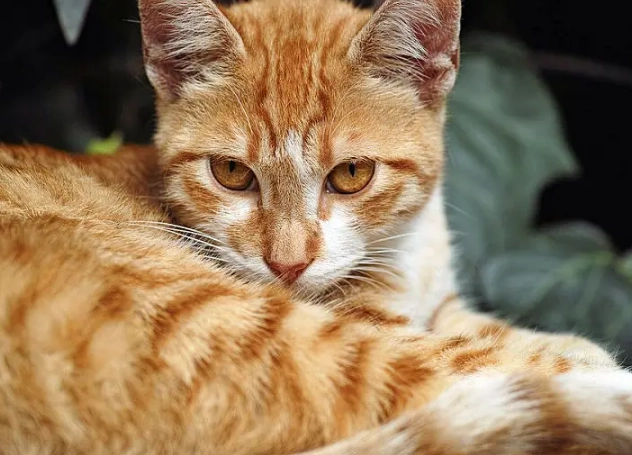
The Real Cost of Care: A Breakdown
Let's talk money. It's not romantic, but it's necessary. Adopting an orange tabby from a shelter is usually very affordable ($50-$150, often including vaccinations, microchip, and spay/neuter). The real costs are lifelong.
| Expense Category | Annual Estimate (Mid-Range) | What It Covers |
|---|---|---|
| Food & Nutrition | $250 - $500 | High-quality dry/wet food, treats. Depends on brand and dietary needs. |
| Litter & Supplies | $200 - $300 | Clumping litter, litter box liners, scoops, odor control. |
| Routine Veterinary Care | $300 - $500 | Annual check-up, core vaccinations, parasite prevention. |
| Pet Insurance / Medical Fund | $250 - $600 | Either monthly insurance premiums OR setting aside money for emergencies. |
| Toys, Scratching Posts, Beds | $100 - $200 | Replacing worn-out items, new enrichment toys. |
| Total (Approximate) | $1,100 - $2,100+ | This is a baseline. First-year costs and senior care are higher. |
See? It adds up. The biggest financial risk isn't the yearly check-up; it's the unexpected emergency. A urinary blockage or a broken tooth can cost thousands. That's why many responsible orange tabby cat owners either get pet insurance or diligently maintain a dedicated savings account for their pet.
Finding Your Own Orange Tabby Cat: Adoption vs. Breeder
If you've read this far, you're probably serious about getting one. Here's your roadmap.
Adoption (The Route I Always Recommend First): Walk into almost any animal shelter in North America, and I guarantee you'll find at least one orange tabby cat waiting. They are incredibly common in the shelter system. The benefits are huge: you save a life, the cost is low, and the cat is often already vetted. You can find kittens, adults, and seniors. Adult cats are a fantastic choice—their personality is already developed, so you know exactly if you're getting a cuddler or an independent spirit. Websites like Petfinder or Adopt-a-Pet let you search specifically for orange tabbies in your area.
Going Through a Breeder: Maybe you have your heart set on an orange tabby Maine Coon or Persian. That's fine, but you must do your homework. A reputable breeder focuses on health and temperament, not just color. They will:
- Health test their breeding cats for genetic conditions common to the breed.
- Raise kittens in their home, not in cages.
- Ask you as many questions as you ask them.
- Provide a health guarantee and take the cat back at any point in its life if you can't keep it.
Pro Tip for Adoption Day: When visiting a shelter, don't just look for the kitten bouncing off the walls. Sit quietly and see who comes to you. Often, the gentle orange tabby cat who rubs on your leg and purrs is choosing you. That's how I got my second one.
Orange Tabby Cat Care: Beyond the Basics
You've got the cat. Now what? Here are some care specifics that go beyond food and water.
- Grooming: Most orange tabby cats (especially shorthairs) are low-maintenance. A weekly brush removes loose hair and reduces hairballs. It's also a great bonding activity. Long-haired orange tabbies (like some Maine Coons) need daily brushing to prevent mats.
- Enrichment is Non-Negotiable: A bored cat is a destructive cat. Orange tabbies, with their often-active minds, need stimulation. Provide vertical space (cat trees, shelves), puzzle feeders, and daily interactive play sessions with a wand toy. Rotate toys to keep things interesting.
- Nail Trimming & Scratching Posts: Provide sturdy scratching posts (vertical and horizontal). Get your cat used to having their nails trimmed early. It saves your furniture and your skin.
- The Litter Box Rule: One box per cat, plus one extra. Keep them clean (scoop daily, full change weekly). A dirty box is the number one reason cats start peeing outside the box.
Frequently Asked Questions About Orange Tabby Cats
The Final Word: Is an Orange Tabby Cat Right for You?
Look, I'm obviously a fan. I think orange tabby cats are some of the most visually striking and often wonderfully companionable pets you can find. Their sunshine-colored coats can brighten a gloomy day. The stereotype of the friendly, goofy orange cat exists for a reason—there's a lot of truth to it, making them a fantastic choice for first-time owners, families with kids, or anyone wanting a social pet.
But here's the real talk. The color of the fur should be one of the last factors you consider. Go to a shelter with an open heart. Look for a cat whose energy level matches your lifestyle. An energetic kitten might be too much for a quiet apartment dweller, while a mellow senior orange tabby cat could be the perfect fit. Focus on health, temperament, and that intangible connection.
Whether you find a bold mackerel-striped adventurer or a classic blotched lap cat, welcoming an orange tabby into your home is about committing to a living being for its entire life. The orange is just the beautiful, striped, sometimes-sheddy wrapping on a fantastic companion. Do the prep work, understand the costs and commitment, and you might just find your own personal sunbeam with paws.
And if you do get one, you'll finally understand why there are so many photos of them on the internet. They're just that photogenic.