Let's cut straight to the point. Yes, Abyssinian cats are expensive. If you're just looking at the initial price tag from a breeder, you're in for a shock. But the real answer to "Are Abyssinian cats expensive?" is more nuanced. The purchase price is just the first, and sometimes not even the largest, part of the financial commitment. The true cost is a combination of that high upfront fee and a lifetime of above-average care expenses for a breed known for its energy, intelligence, and specific health considerations.
I've been around purebred cats for over a decade, and the number one mistake I see is people budgeting for the kitten and forgetting about the cat. An Aby isn't a decorative item; it's an athletic, curious companion that will demand engagement and high-quality resources for 12-15 years or more.
What's in this guide?
The Sticker Shock: Upfront Purchase Price
This is where most people's jaws drop. You can't talk about Abyssinian cat cost without starting here. Forget what you paid for a domestic shorthair from the shelter. We're in a different league.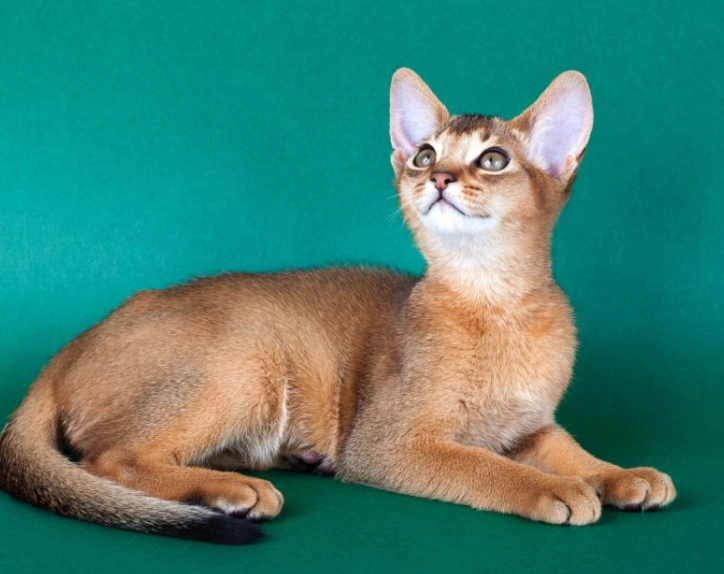
| Source | Average Price Range | What You're (Theoretically) Paying For |
|---|---|---|
| Reputable Breeder (CFA/TICA Registered) | $1,200 - $2,500+ | Health-tested parents, early socialization, genetic screening for issues like PK deficiency, breed-standard conformation, initial vaccinations/deworming, contract, and breeder support. |
| Show-Quality or Rare Color (Ruddy, Blue, Fawn, Sorrel) | $2,000 - $3,500+ | All of the above, plus exceptional conformation for the show ring or a less common coat color. Sorrel (cinnamon) and blue Abys often command a premium. |
| Pet Adoption/Rescue | $100 - $400 | An adult or senior Aby (rarely a kitten), usually already vetted, spayed/neutered. This is a fantastic option but requires patience, as purebred Abyssinians in rescue are uncommon. |
A quick note on "cheap" Abyssinians. If you see an ad for an Aby kitten for $500, run. More likely, it's a backyard breeder skipping essential health tests, proper socialization, and ethical practices. The vet bills and behavioral issues you'll inherit will quickly eclipse any initial "savings." The Cat Fanciers' Association (CFA) is a good starting point to find ethical breeders.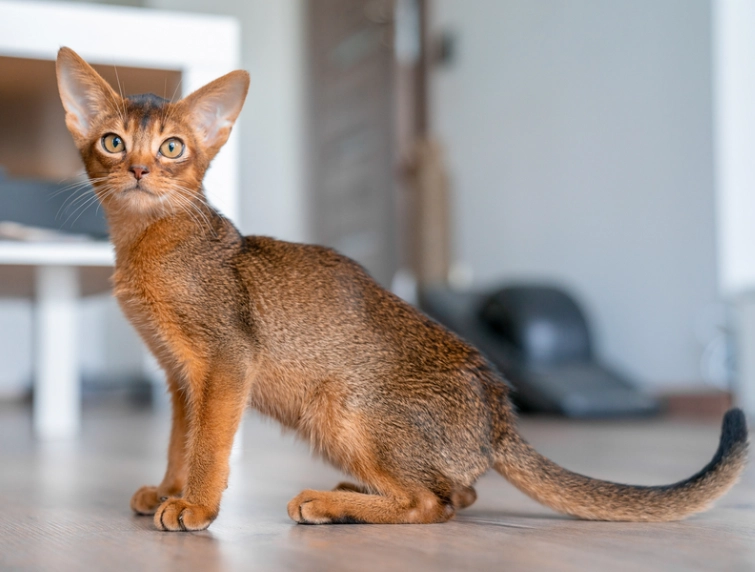
The Bottom Line on Purchase Price:
Budget a minimum of $1,500 from a reputable source. If that number makes you flinch, the ongoing costs will be a bigger problem. This high price acts as a filter, ensuring buyers are serious and prepared for the long-term commitment.
Year One: The Hidden Setup Costs
The kitten arrives. Now the real spending begins. The first year is always the most expensive, as you cover one-time setup and initial medical procedures.
Non-Negotiable Medical Startup
Even if your breeder provided the first shots, you're not done. You'll need to complete the vaccination series (FVRCP, rabies), get a thorough wellness check, and invest in spaying/neutering if not included. Microchipping is a must for an adventurous escape artist like an Aby. This first-year medical package can easily run $300-$600.
The "Aby-Proof" Your Home Shopping List
Abyssinians are climbers and players. A flimsy cardboard scratcher won't cut it. You need sturdy, tall cat trees (plural—they like options), robust interactive toys to prevent boredom, and secure window perches for their endless curiosity. A high-quality, high-protein diet is non-negotiable for their metabolism. Setting up a proper environment can cost another $400-$800 upfront.
I made the mistake early on with a cheap cat tree. My Aby, Leo, had it wobbling and ignored within a week. I ended up buying a solid, 6-foot tree a month later—money wasted.
The Annual Reality: Ongoing Care Costs
This is the part most cost analyses gloss over. Let's break down what it costs to keep an Abyssinian healthy and happy year after year.
Premium Food: An active Aby burns calories. You're looking at high-quality wet and dry food, possibly even a raw or high-meat diet. Budget $40-$80 per month. ($480-$960/year).
Routine Veterinary Care: Annual check-ups, booster shots, and parasite prevention (flea/tick/heartworm). This is a baseline of $200-$400 per year.
Litter & Supplies: They can be picky. You might go through several types of litter to find one they like. Toys wear out quickly with their vigorous play. Budget $20-$40/month. ($240-$480/year).
Pet Insurance OR Emergency Fund: This is critical. Abyssinians are generally healthy, but they have breed predispositions. Issues like gingivitis (requiring expensive dental cleanings under anesthesia), patellar luxation, or renal issues can arise. A good pet insurance policy can cost $300-$600 annually. Alternatively, you must self-insure by putting at least $50/month into a dedicated savings account. Do not skip this.
So, the bare minimum annual cost, excluding insurance or major medical, is around $920-$1,840. And that's if nothing goes wrong.
Why Are They So Pricey? It's Not Just Hype
It's easy to see the price and think it's arbitrary. It's not. Reputable breeders invest massively.
Genetic health testing for parents (for PK Def, PRA, etc.) costs hundreds per cat. Proper socialization—exposing kittens to various sounds, surfaces, people, and handling from weeks 2-12—is incredibly labor-intensive. They provide top-tier nutrition for the queen and kittens. They often have a waitlist and limit litters to ensure each kitten gets attention. You're paying for a well-started, healthy companion, not just a cat.
Furthermore, the breed's popularity and relatively small gene pool (compared to domestics) keep demand high and supply limited. According to The International Cat Association (TICA) registration statistics, they are popular but not produced in massive numbers like some other breeds.
How to Budget for an Abyssinian Cat: A Practical Plan
So, you're determined. Here's how to make it financially feasible.
Phase 1: The Pre-Kitten Year. Open a separate savings account. Aim to save the full purchase price ($1,500-$2,500) plus your first-year setup costs ($1,000-$1,500). This $2,500-$4,000 cushion means you won't go into debt.
Phase 2: The Ongoing System. Set up automatic monthly transfers for ongoing costs. $100/month goes to the "Aby care" account for food, litter, and routine vet. Another $50-$75/month goes to the "Aby medical fund" for insurance premiums or to build your emergency fund.
Consider Adoption. Check breed-specific rescues like Abyssinian Rescue groups. You might wait longer, but the adoption fee is a fraction of the cost, and the cat is often already an adult with a known personality and health history.
The goal isn't to scare you off. It's to ensure that if you bring an Aby home, you can provide for it fully, so the only thing you worry about is their next mischievous adventure, not how to pay for it.
Your Abyssinian Cost Questions Answered
Almost never with a reputable breeder. The price reflects real, sunk costs. A breeder who haggles is a red flag—it suggests they may be cutting corners on health or care. What you can sometimes discuss is a deposit schedule, paying a portion to secure your spot on the waitlist and the rest before pickup.
Behavioral enrichment. People buy a couple of toys and think it's enough. An under-stimulated Aby is a destructive Aby. You'll end up replacing chewed cords, scratched furniture, and dealing with stress-related issues. Investing in puzzle feeders, automated toys, and dedicating significant daily playtime isn't optional—it's a cost-saving measure for your belongings and your sanity.
Yes, though it varies by breeder and region. The classic "ruddy" is most common. "Sorrel" (a warm cinnamon) and "blue" (a soft slate) are often rarer in breeding programs and can command a higher price, sometimes a few hundred dollars more. "Fawn" is also less common. Remember, color should be a secondary consideration to health and temperament.
You can, but it's a high-risk gamble. Self-insuring requires immense discipline. One emergency visit for a urinary blockage or a necessary dental extraction can cost $1,500-$3,000. If you don't have that liquid cash, you're facing heartbreaking decisions. Insurance turns an unpredictable, potentially bankrupting cost into a predictable monthly fee. For a purebred animal, it's one of the smartest long-term investments you can make.
The initial cost is undeniably higher. Long-term, the gap narrows but persists. You'll likely spend more on food (due to higher energy needs), more on toys/enrichment (due to higher intelligence), and potentially more on dental care (a breed tendency). While a mixed-breed cat from a shelter is the ultimate budget option, the Aby's costs are the price of admission for their specific, captivating personality.