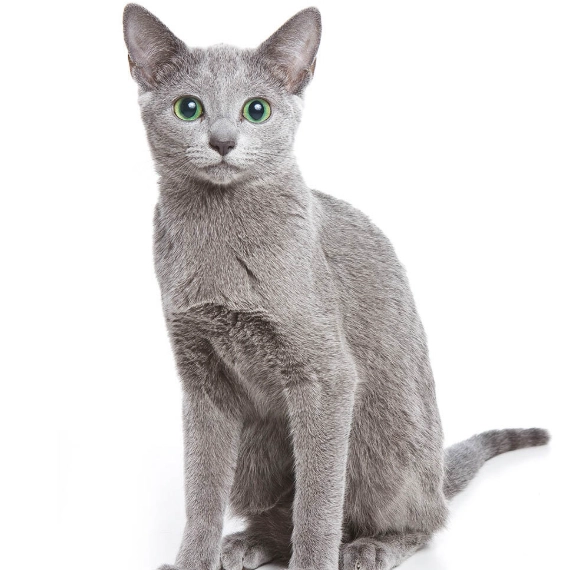
Let's cut straight to the point. Yes, absolutely. A Russian Blue isn't just capable of being a house cat; it's one of the most perfectly suited breeds for a quiet, indoor domestic life you could hope to find. That elegant, plush gray coat and those mesmerizing green eyes hide a personality that's often misunderstood. People see a reserved, sometimes shy cat and wonder if it's aloof or unhappy. But that's where most first impressions get it wrong. Having lived with one for over a decade, I can tell you their quiet nature is a feature, not a bug. It's what makes them such phenomenal companions for the right home.
What You'll Find in This Guide
The Russian Blue Personality: Shy or Social?
If you're picturing a cat that will immediately jump into the lap of every guest, you might be looking at the wrong breed. But if you want a deeply loyal, observant, and affectionate companion who forms a powerful bond with their chosen people, you're on the right track.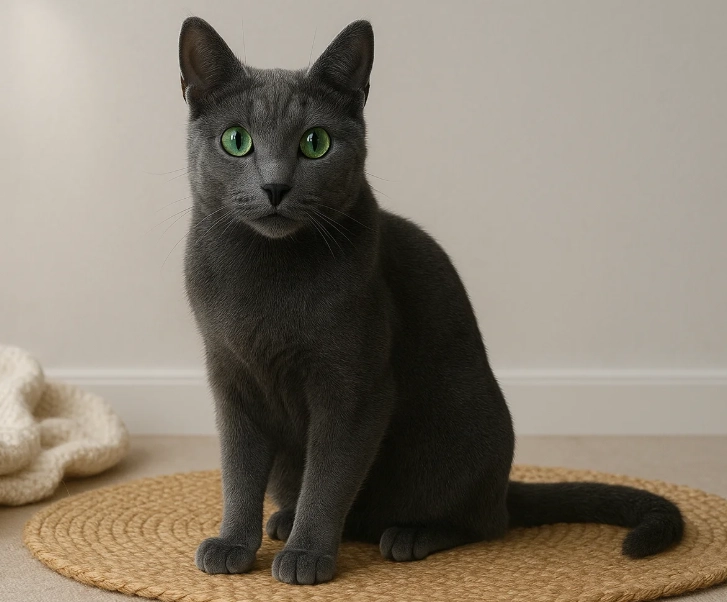
The classic description is "reserved with strangers, devoted to family." It's accurate, but it doesn't capture the nuance. My own Russian Blue, Smokey, would vanish when the doorbell rang. For the first hour of a visit, he was a ghost. But if you were patient and quiet, you'd eventually see a gray head peeking around the corner. He wasn't unfriendly; he was assessing. Once he decided you were okay, he'd offer a gentle head bump—the highest honor.
With his immediate family, he was a different creature. A constant, quiet presence. He'd follow me from room to room, not demanding attention, just... being there. He'd sit beside me on the couch, never on my lap, but always close enough to touch. This "shadow" behavior is incredibly common. They're not needy, but they are profoundly connected.
A Key Distinction: Quiet vs. Shy
Many people mistake their quiet demeanor for shyness or anxiety. It's not. It's a calm confidence. They're observant. They watch, they learn your routines, and they interact on their own terms. They vocalize less than many breeds, often using soft chirps and trills instead of loud meows. This makes them excellent for apartments or homes where a quieter pet is preferred.
Their intelligence is another standout trait. They figure out puzzle feeders quickly, can learn simple tricks like "sit" or "high five" with positive reinforcement, and are notorious for opening cabinets or doors if they're motivated enough. Boredom is your enemy with a Russian Blue; a bored intelligent cat can become mischievous.
Is the Russian Blue the Right Cat for Your Home?
This is the million-dollar question. They're wonderful, but they're not a universal fit for every lifestyle. Let's break it down with some real scenarios.
The Ideal Russian Blue Household
Think calm, predictable, and respectful of feline boundaries. Here's who they typically thrive with:
- Apartment Dwellers: Their moderate energy and quiet nature are perfect for smaller spaces. They don't have an overwhelming need to run vertical circuits at 3 AM (though the occasional zoomie is normal).
- Working Professionals or Quiet Couples: They adapt well to a routine. They're often content to lounge while you're at work and are ready for interactive play when you get home. They don't suffer from severe separation anxiety if they have a consistent environment.
- Families with Older, Gentle Children: This is crucial. They can do well with kids who understand how to pet gently and not chase. The sudden, loud movements of very young toddlers can stress them. A child who can sit and read a book quietly might find a Russian Blue curling up beside them.
- First-Time Cat Owners (with a caveat): Their easy-going nature and generally robust health make them a good first cat, provided the owner does their research and respects the cat's need for a slow introduction and a stable routine.
Potential Challenges to Consider
Be honest with yourself about your home environment.
A chaotic, noisy household with constant visitors, loud music, or boisterous young kids will likely make a Russian Blue retreat permanently. They are stress-sensitive. I've seen well-meaning owners in busy homes wonder why their cat hides all day—it's not the cat's fault; it's an environment mismatch.
They also tend to be a one-person or one-family cat. If you were hoping for a social butterfly to entertain your weekly game night crowd, look elsewhere. They bond deeply with their core unit.
| Your Situation | Russian Blue Suitability | Why |
|---|---|---|
| Quiet apartment, single or couple | Excellent Fit | Their need for calm and routine aligns perfectly with this lifestyle. |
| House with young, energetic children | Poor Fit | Loud noises and unpredictable movements can cause chronic stress. |
| Home with other pets (cat/dog) | Possible, with Care | Slow, proper introductions are non-negotiable. They can coexist peacefully but may never be best friends. |
| Someone wanting a "lap cat" | Variable Fit | Some become lap cats, many prefer to sit beside you. Don't get one solely for lap-sitting. |
| Allergy sufferer | Better-than-average Fit | They produce less of the Fel d 1 glycoprotein (a common allergen). Always spend time with one first! No cat is truly hypoallergenic. |
Russian Blue House Cat Care Essentials
Caring for a Russian Blue isn't overly complicated, but there are specific areas where attention pays off. It's not just about food and water.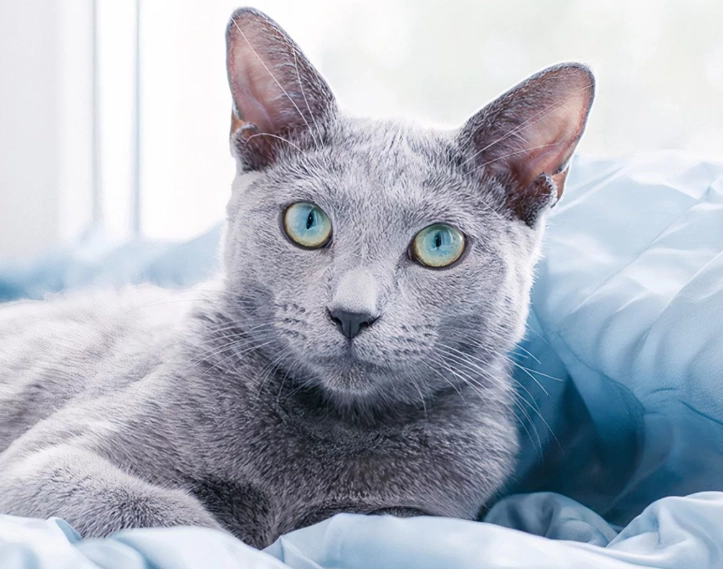
Grooming: Easier Than You Think
That gorgeous double coat is surprisingly low-maintenance. It's dense and plush, designed to protect from cold (a trait from their supposed Northern Russian origins). It doesn't mat easily. A weekly brush with a fine-toothed metal comb or a slicker brush is usually sufficient to remove loose hair and distribute skin oils. You'll see more shedding during seasonal changes, but it's manageable.
Here's a pro tip many miss: their coat can develop a rusty brown tint if exposed to too much direct sunlight or if their diet is lacking. It's called "rusting." Keeping them primarily indoors protects the signature blue-gray color. Diet also plays a role—a high-quality food rich in animal proteins and amino acids like tyrosine supports proper pigment production.
Diet and Exercise: Preventing the "Couch Potato" Trend
Russian Blues have a hearty appetite and a tendency to gain weight if their diet isn't monitored. They love their food. I made the mistake of free-feeding Smokey as a young cat, and he quickly rounded out. We had to switch to measured meals.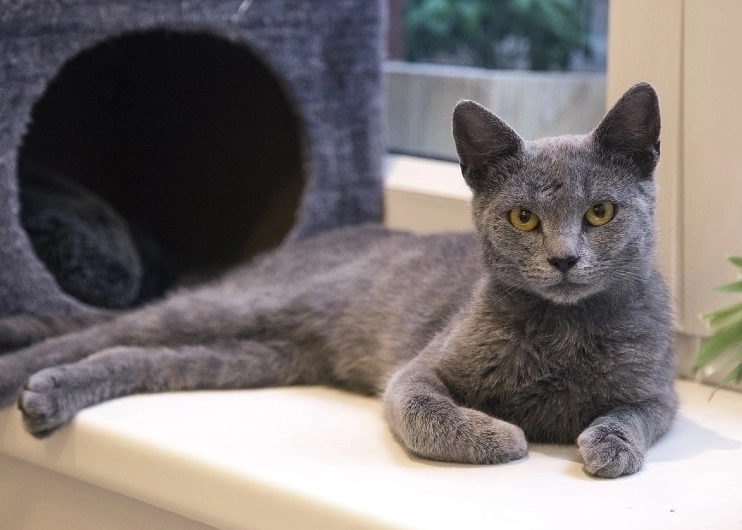
They benefit from a diet high in quality protein. Consult your vet, but look for foods where a named meat (chicken, salmon, etc.) is the first ingredient. Because they are obligate carnivores, their bodies are designed to use protein efficiently.
Exercise is mental as much as physical. A simple wand toy with a feather or a crinkly toy is often a huge hit. They enjoy the stalk-and-pounce game. Puzzle feeders are fantastic to engage their brains at mealtime. Cat trees with perches satisfy their desire to climb and observe their domain from on high.
Health Considerations: A Generally Robust Breed
One of the advantages of the Russian Blue is its genetic diversity compared to some ultra-popular breeds. They are not plagued by a long list of hereditary conditions. However, like all purebreds, there are a few things to be aware of. According to resources like the International Cat Association and general veterinary consensus, they can have a predisposition to certain conditions like bladder stones (urolithiasis) and dental issues. Annual vet check-ups, providing plenty of fresh water, and maintaining dental hygiene are key preventative measures.
Their lifespan is typically 15-20 years, so bringing one home is a long-term commitment.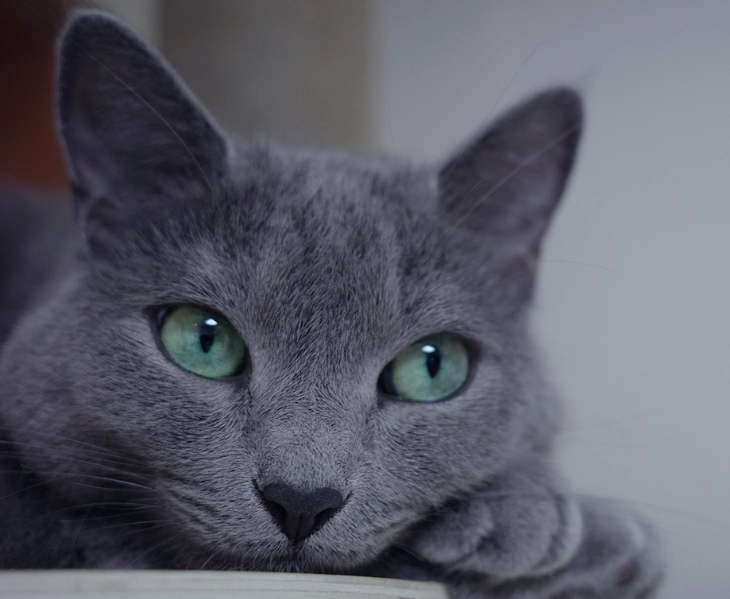
Busting Common Russian Blue Myths
Let's clear up some confusion you'll find online.
Myth 1: They are 100% hypoallergenic. False. No cat breed is. They produce less of the Fel d 1 allergen, which makes them a better choice for some allergy sufferers, but reactions are individual. Always visit a breeder or shelter multiple times to test your reaction before committing.
Myth 2: They are always shy and antisocial. Misleading. They are selective and reserved, not antisocial. Once bonded, their affection is deep and constant. It's a quiet, steady love, not a flashy one.
Myth 3: They require no grooming. Not quite. While low-maintenance, weekly brushing is still needed to keep that plush coat in top condition and reduce hairballs.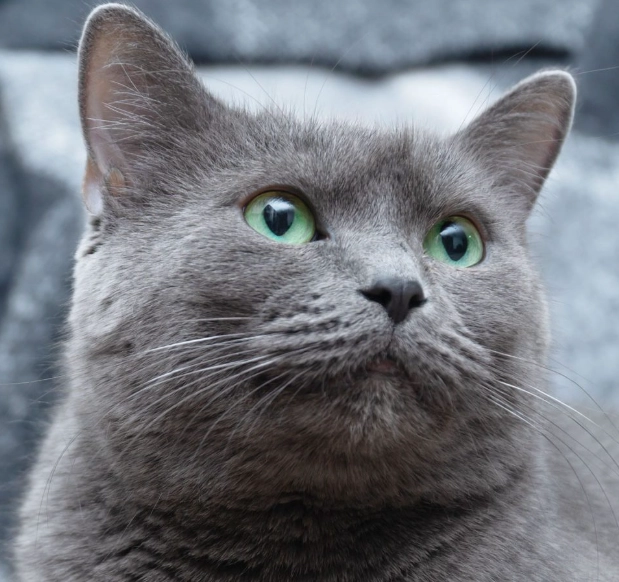
Your Russian Blue Questions, Answered
So, back to the original question: Can a Russian Blue be a house cat? The answer is a resounding yes, with the understanding that "house cat" means more than just living indoors. It means being a integral, quiet member of a family that values a gentle, intelligent, and deeply loyal companion. They offer a unique kind of feline friendship—one built on mutual respect and quiet understanding. If your home offers a haven of calm, a Russian Blue might just be the perfect gray shadow to share it with.