Quick Guide
- What Exactly is a Bengal Cat? A Quick Primer
- Deconstructing the Bengal Cat Personality Type: The Big Five Traits
- Bengal Cat vs. Other Active Breeds: A Personality Comparison
- What Shapes a Bengal's Temperament? Nature vs. Nurture
- Living With a Bengal: The Practical Guide (The Good, The Bad, The Chewed)
- Answering Your Big Questions About Bengal Cat Personality
- Final Verdict: Is the Bengal Cat Personality Right for YOU?
That spotted or marbled coat. Those intense eyes. The lean, muscular build that whispers of jungle ancestors. It's easy to fall in love with how a Bengal cat looks. But here's the thing nobody tells you upfront: adopting a Bengal is less about getting a living piece of art and more about inviting a tiny, furry CEO with the energy of a toddler on espresso into your home. Their personality is the whole deal.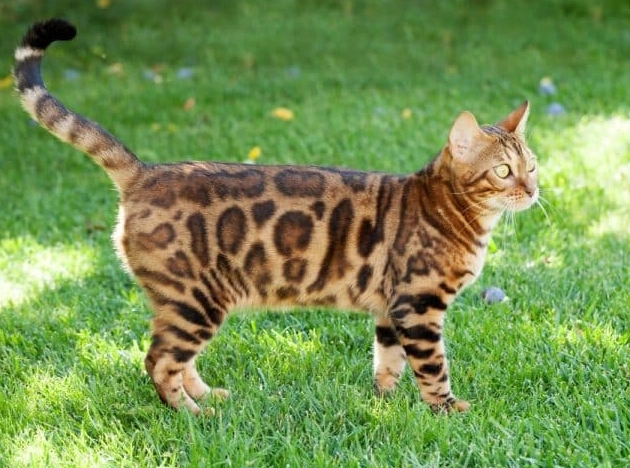
I've lived with two Bengals over the last decade. My first, Leo, taught me the meaning of "cat-proofing" when he learned to open cabinet doors at 3 AM. The Bengal cat personality type isn't for the faint of heart. It's a glorious, frustrating, hilarious, and demanding rollercoaster. If you're just looking for a lap cat that sleeps 20 hours a day, stop reading now. This isn't the breed for you.
But if you're intrigued by a companion that's more "partner in crime" than "pet," then understanding the true Bengal cat temperament is your first and most important step. This guide isn't a sugar-coated breed profile. It's a deep dive from someone who's been there, cleaned up the knocked-over plants, and still wouldn't trade the experience for anything.
Bottom Line Up Front: The core Bengal personality type is defined by three things: high energy, profound intelligence, and a deep need for engagement. They are not hybrid-wild cats in behavior (responsible breeding has seen to that over generations), but they retain a spark of that ancestral curiosity and drive. Think of them as the border collies of the cat world.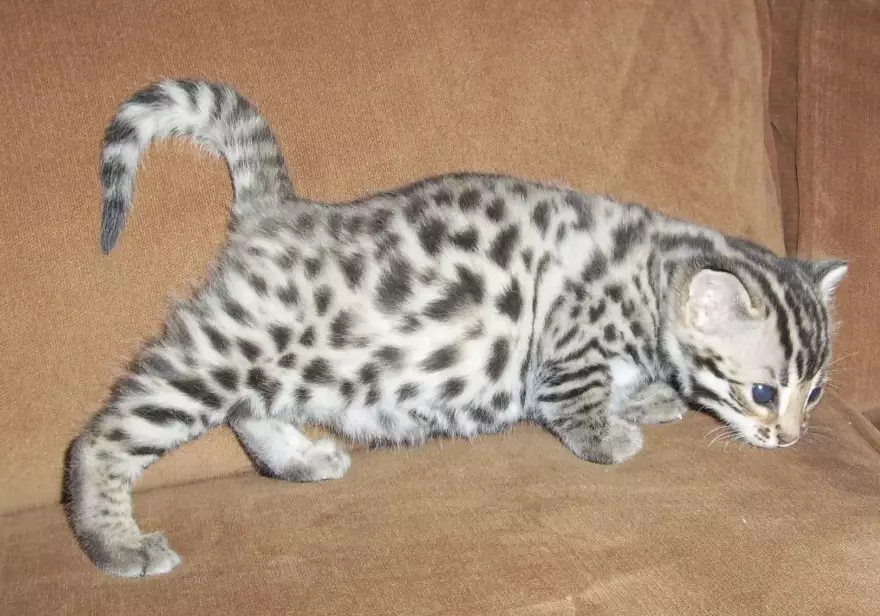
What Exactly is a Bengal Cat? A Quick Primer
Before we get lost in the nuances of their character, let's set the stage. The Bengal is a relatively new breed, developed by crossing domestic cats with the Asian leopard cat (Prionailurus bengalensis). The goal was never to create a wild pet—that's irresponsible and often illegal. The goal, pioneered by breeders like Jean Mill, was to capture that stunning wild appearance while nurturing a reliable, sociable domestic Bengal cat personality.
Today's Bengals are many generations removed from their wild ancestors. Reputable breeders, like those affiliated with The International Cat Association (TICA), which provides the official Bengal breed standard, focus on health, temperament, and that iconic look. The wild blood is a distant contributor to their look and energy, not a direct determinant of an unpredictable temper.
That distinction is crucial. It means their personality is shaped more by selective breeding for certain traits than by recent wild ancestry.
Deconstructing the Bengal Cat Personality Type: The Big Five Traits
Let's break down the Bengal cat bengal personality type into its core components. It's not just one thing; it's a potent mix.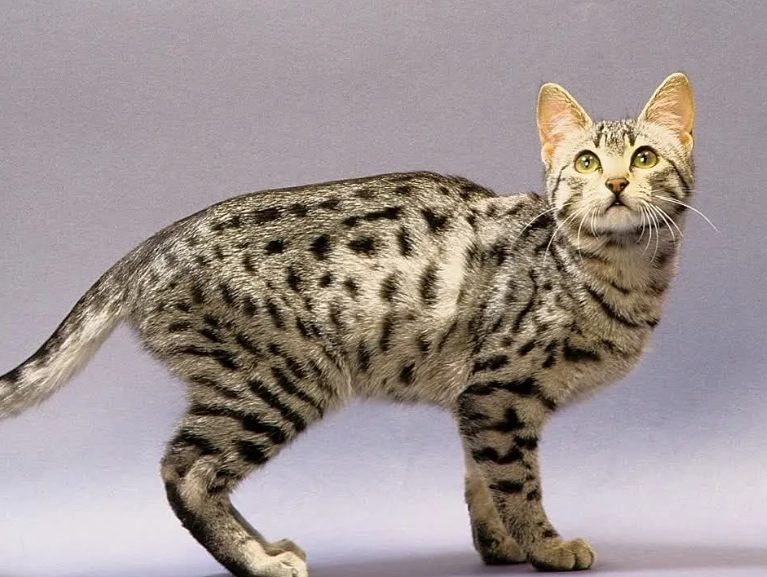
1. Boundless Energy and Play Drive
This is the most defining and often most challenging trait. A Bengal kitten isn't just playful; it's a perpetual motion machine. An adult Bengal doesn't just have bursts of energy; they have a sustained, high-output engine. This isn't a cat that plays for five minutes and gets bored. This is a cat that needs rigorous, daily interactive play sessions—think 30-45 minutes, twice a day, minimum.
What does this look like in practice? Leo would fetch his toy mouse until my arm got tired. He'd run full-speed laps around the house at 10 PM for no apparent reason. This energy doesn't magically disappear at age two. It matures, but a bored Bengal is a destructive Bengal. That energy will find an outlet, whether it's your curtains, your couch, or meticulously knocking everything off your shelves.
Personal Hot Take: People who complain about Bengal cat destructive behavior almost always have under-stimulated cats. It's not malice. It's pent-up energy from a breed designed to be on the move. It's like blaming a sheepdog for herding your kids—it's in their DNA.
2. Scary-Smart Intelligence
Their intelligence is what separates them from merely "active" breeds. Bengals think. They solve problems. They observe and learn. Leo learned how to turn on faucets because he liked drinking running water. My current Bengal, Kova, has figured out how to open lever-style door handles. She watches, she processes, she experiments, she succeeds.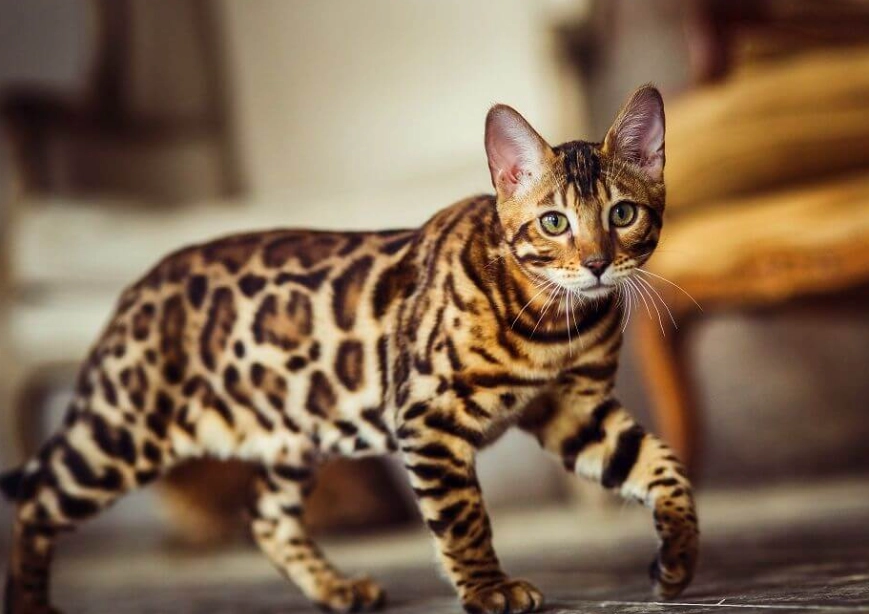
This intelligence makes them highly trainable. You can teach them tricks (fetch, sit, high-five) more easily than most cats. But it also means they get bored with simple repetitive toys. Puzzle feeders aren't a luxury; they're a necessity. Food-dispensing balls, treat mazes, and interactive games are essential to engage their brains. A simple bowl of kibble is an insult to their intellect.
This brainpower directly fuels their curiosity. Nothing is off-limits. Every cabinet, box, bag, and high shelf is a puzzle to be solved.
3. Vocal and Communicative (They Talk!)
Forget the silent, aloof cat stereotype. The Bengal cat temperament is often highly vocal, but not in a constant, annoying yowl. They have a unique, often raspy voice and a wide range of chirps, trills, and meows to comment on everything. It's a running commentary.
Kova greets me at the door with a long, chirping narrative about her day. She "asks" for play with a specific trill and complains if her water bowl isn't fresh enough. It's a conversation. Some people love this; it makes them feel deeply connected to their cat. Others find it overwhelming. You need to be honest with yourself—do you want a quiet home, or are you okay with a chatty companion?
4. Water Fascination (The Weird & Wonderful Part)
A surprisingly common quirk in the Bengal cat personality type is a fascination with water. Many will play with dripping taps, pat water in their bowls, or even join you in the shower (not always invited!). This is thought to be a trait passed down from their Asian leopard cat ancestors, who often live near waterways.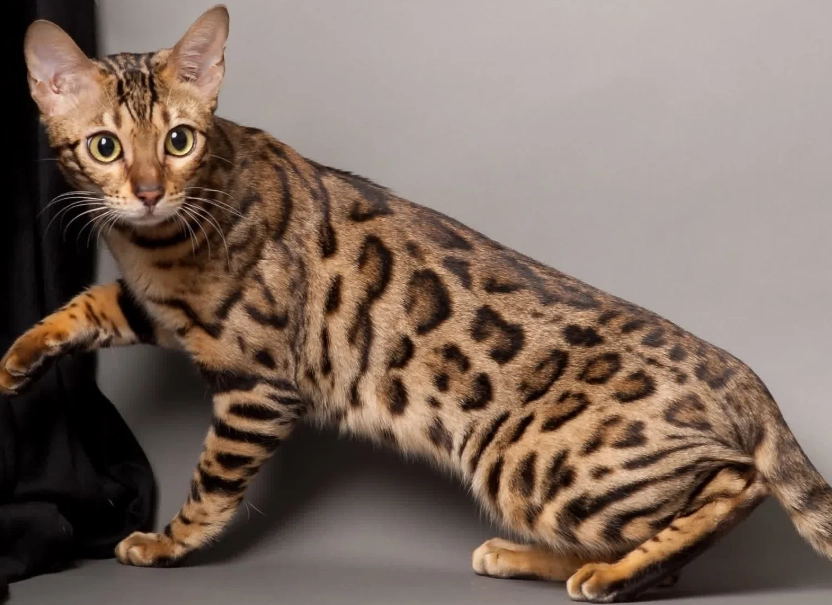
It can be fun—a cat fountain is a guaranteed hit. But it can also be messy. Be prepared for wet paw prints on the floor and a supervisor every time you take a bath.
5. Social Butterflies with a Demanding Streak
Bengals typically form very strong bonds with their families. They are not loners. They want to be involved in whatever you're doing—cooking, working on the computer, reading. They will follow you from room to room. This is often misinterpreted as "clinginess," but it's more about being part of the pride.
The flip side? They demand attention on their terms. They will paw at your laptop, knock papers off your desk, or yell at you until you engage. They don't do well being ignored for long periods. This is not an ideal breed if you work 12-hour days or travel frequently without them.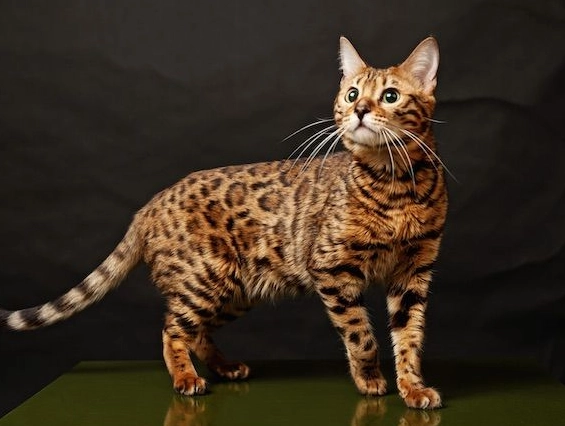
"Living with a Bengal is a constant negotiation. You're not their owner; you're their most interesting and sometimes frustrating roommate."
Bengal Cat vs. Other Active Breeds: A Personality Comparison
People often ask, "Are they like Abyssinians or Savannahs?" Let's clear that up. While all are active, their Bengal cat personality has a distinct flavor.
| Breed | Energy Level | Key Personality Driver | Communication Style | Best For Someone Who... |
|---|---|---|---|---|
| Bengal Cat | Very High (Endurance) | Curiosity & Problem-Solving | Vocal, Conversational | Wants a smart, interactive "project" pet, has time for active play. |
| Abyssinian | High (Sprinter) | Exploration & Height | Generally Quieter | Loves an agile, graceful cat that loves to climb and observe. |
| Savannah (F1-F3)* | Extremely High | Wild Instinct & Flight Drive | Variable, Can be Loud | Extremely experienced owners, often with special permits/space. |
| Siamese | Moderate-High | Social Bond & Attention | Extremely Vocal, Loud | Wants a deeply attached, talkative "shadow" and doesn't mind noise. |
*Note: Early-generation Savannahs (F1, F2, F3) are not typical pets and have significant legal/ownership restrictions. They are included for contrast only. Later-generation Savannahs (SBT) can have more manageable but still high-energy temperaments.
See the difference? The Abyssinian wants to climb your bookshelf to see what's up there. The Bengal wants to climb your bookshelf, figure out how the shelf is attached, and then see if they can unscrew it. It's that layer of applied intelligence that defines the Bengal cat bengal personality type.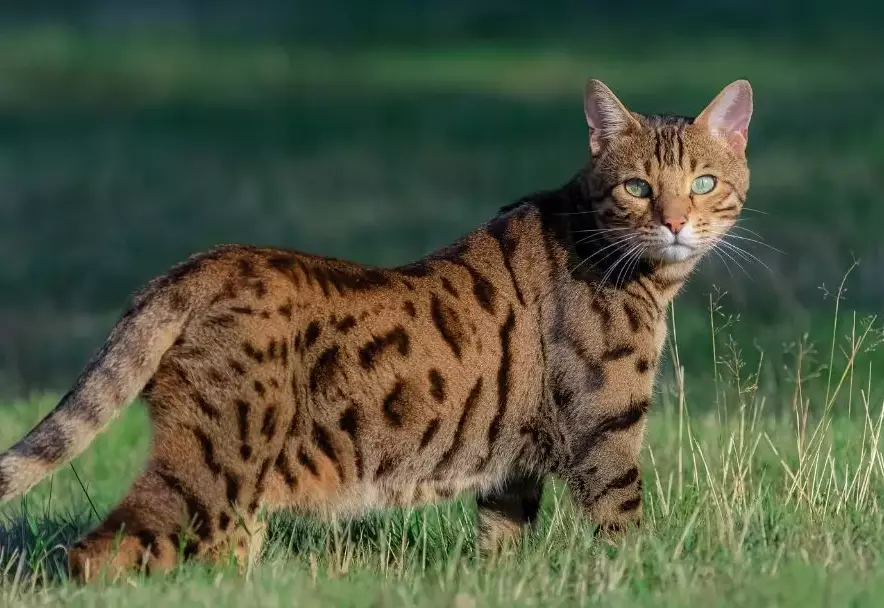
What Shapes a Bengal's Temperament? Nature vs. Nurture
It's not all hardwired. While genetics lay the blueprint, your environment and choices sculpt the final product. A well-bred, well-socialized Bengal from a responsible breeder who prioritizes temperament is a world apart from a poorly-bred one.
- Breeder Choice is Everything: A good breeder, like those following the Cat Fanciers' Association (CFA) code of ethics, raises kittens in a home environment, handling them constantly, exposing them to normal household sounds, and often other pets. This early socialization (weeks 2-7) is irreplaceable. It builds confidence and shapes a stable Bengal cat temperament.
- Your Home Environment: A calm, predictable, and engaging home produces a calmer cat. Chaos and neglect produce anxiety, which in a Bengal manifests as hyperactivity, aggression, or destruction.
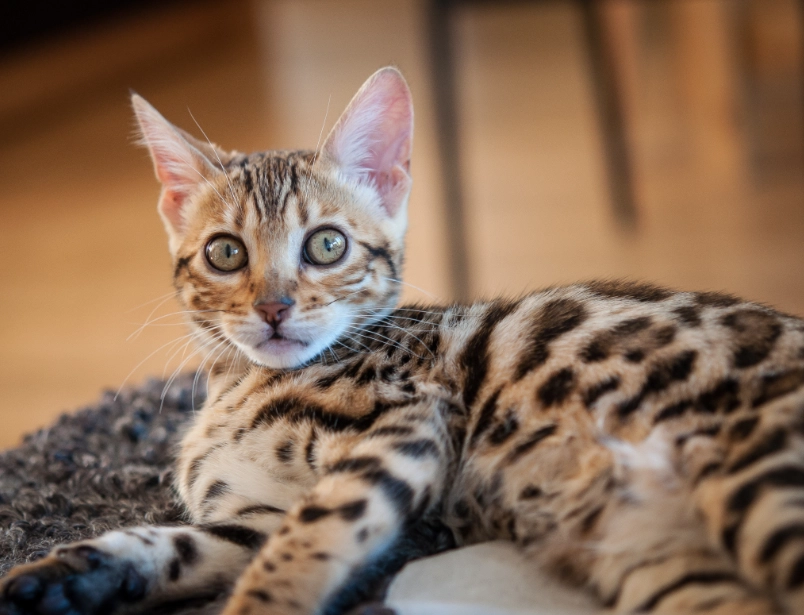
- The Single Kitten Syndrome: Getting just one Bengal kitten, especially if you're gone all day, is often a recipe for trouble. They learn bite inhibition and social skills from siblings. A solo kitten with boundless energy and no outlet can become a nightmare. Seriously consider getting two, or ensure you have another young, playful pet.
Living With a Bengal: The Practical Guide (The Good, The Bad, The Chewed)
Okay, so you think you can handle the core Bengal personality type. What does daily life actually entail?
Non-Negotiables for a Happy Bengal:
- Vertical Space: Cat trees aren't decor; they are territory. Get tall, sturdy ones. Wall-mounted shelves are even better. A Bengal needs to survey its kingdom.
- Interactive Play, Daily: Wand toys, laser pointers (with a physical reward at the end to avoid frustration), feather dancers. You are their primary prey simulator. Get ready to move.
- Environmental Enrichment: Rotate toys weekly to prevent boredom. Puzzle feeders for every meal. Clicker training sessions for mental exercise. A secure outdoor catio is the ultimate prize.
- Routine, Routine, Routine: They thrive on predictability. Feed, play, and interact at roughly the same times. It makes them feel secure.
Common Challenges (& Solutions):
Destructive Scratching: It's not just claw maintenance; it's marking and energy release. Provide many high-quality scratching posts (sisal, cardboard) in key areas (near their sleep spot, by doorways). Use catnip spray. Trim claws regularly.
Counter Surfing & Getting Into Everything: This is curiosity, not disobedience. Make valuable areas inaccessible or unappealing (double-sided tape, aluminum foil). Provide more appealing alternatives up high. Manage your environment—you can't train this out entirely.
Attention-Seeking at Inopportune Times: Ignore the bad behavior (pawing at your face at 5 AM) completely. Reward and engage with the good behavior (sitting quietly). Schedule a vigorous play session right before bed to encourage sleeping in.
It's about management, not just discipline. You're outsmarting a very smart creature.
Answering Your Big Questions About Bengal Cat Personality
Final Verdict: Is the Bengal Cat Personality Right for YOU?
Let's be brutally honest. The Bengal cat bengal personality type is a terrible fit for many people. It's a commitment akin to a high-performance pet.
You might LOVE a Bengal if you:
- Are an active person or family who wants a pet to participate in daily life.
- Find the idea of training a cat and solving behavioral puzzles engaging.
- Have time for significant daily interactive play.
- Appreciate direct communication and a strong personality.
- Can provide a stimulating, catified environment.
You should probably AVOID a Bengal if you:
- Value a pristine, quiet, and predictable home above all else.
- Are gone from home for 10+ hours most days.
- Want a low-maintenance, independent pet.
- Get easily frustrated by persistent demands or mischievous behavior.
- Aren't prepared for a 15+ year commitment to an intense animal.
My Personal Takeaway: Living with a Bengal is endlessly rewarding but never easy. They force you to be a more engaged, creative, and patient pet owner. They are hilarious, beautiful, and deeply connective. But they will also try your patience, disrupt your sleep, and destroy that one thing you really loved. You have to go in with your eyes wide open. The Bengal cat personality isn't a flaw; it's the entire package. If you're ready for the challenge, you'll get a companion like no other. If you're not, that's okay too—there are plenty of wonderful cats with calmer temperaments waiting for homes.
Do your homework. Talk to multiple reputable breeders (ask specifically about the temperament of their lines). Consider fostering for a Bengal rescue first. This isn't a decision to make based on a pretty picture. It's a decision to make based on a deep understanding of a truly unique and demanding Bengal cat bengal personality type.