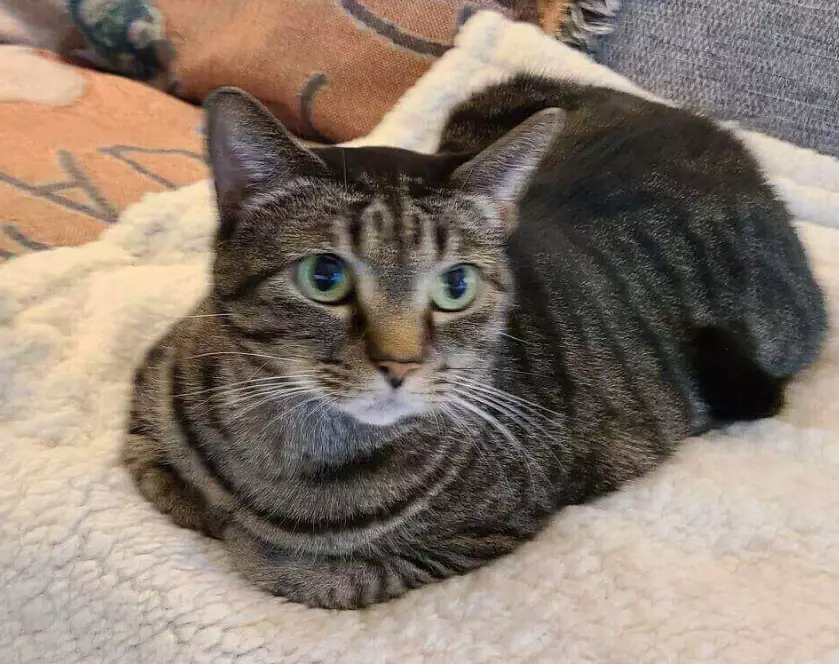
Let's clear something up right away. "Grey tabby" isn't a cat breed. It's a description of a coat color and pattern that pops up across many different breeds. If you're picturing that beautiful grey coat with darker stripes, swirls, or spots, you're in the right place. That iconic look is one of the most common and beloved in the feline world, but the cat underneath can be a laid-back lap cat, a playful acrobat, or a gentle giant. This guide will walk you through the cat breeds where you're most likely to find that stunning grey tabby fur, what makes each one special, and how to pick the right personality for your home.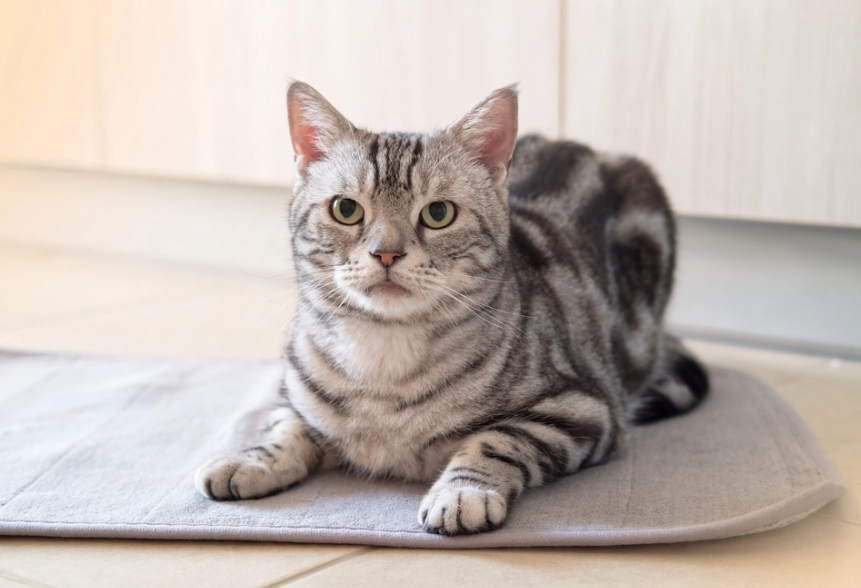
What's Inside?
What Exactly is a Tabby Pattern?
Every single domestic cat carries the tabby gene in its DNA. It's the default setting. Whether the pattern shows up or gets hidden by other color genes is another story. The grey part comes from the black color gene being diluted. So, a grey tabby is genetically a black tabby with a dilution gene making the black appear grey.
There are four main tabby patterns, and you can see them all in grey:
- Mackerel: The classic "tiger stripe." Narrow, parallel stripes running down the sides. This is the most common pattern.
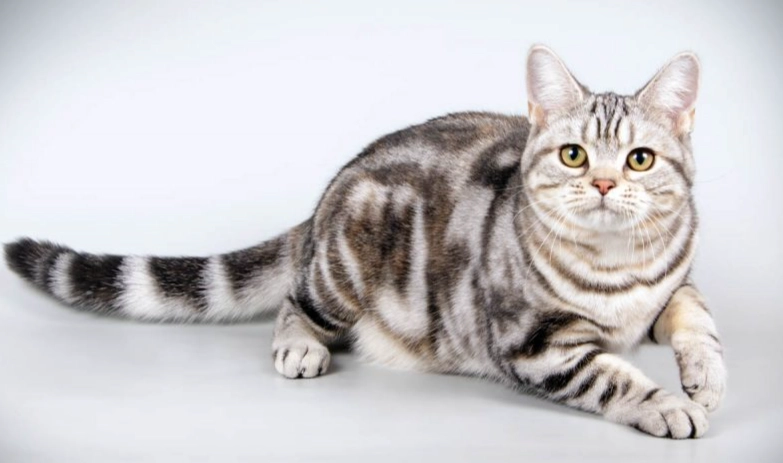
- Classic (or Blotched): Bold, swirling patterns that often look like a marble cake or bullseye on the sides.
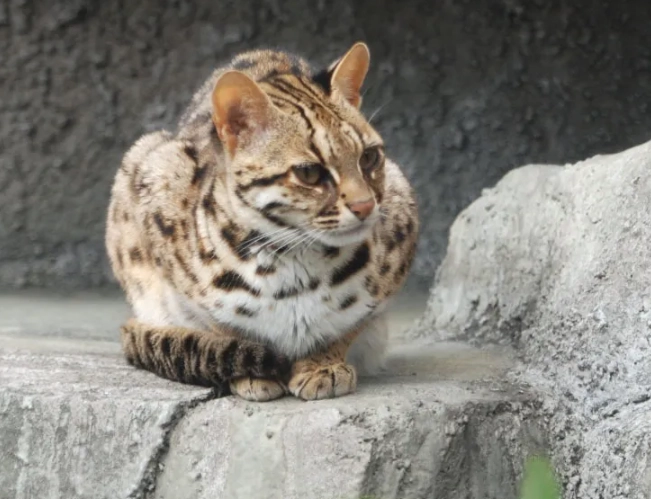
- Spotted: Broken stripes that appear as distinct spots, like a little leopard.
- Ticked: The stealth tabby. No obvious stripes on the body, but each hair has alternating bands of color (agouti hairs). You'll see faint barring on the legs and tail, and often a telltale "M" on the forehead.
Top Cat Breeds That Come in Grey Tabby
While any domestic shorthair or longhair can be a grey tabby, certain purebreds are famous for showcasing this look, often with breed-specific traits. Here’s a breakdown of the most notable ones.
| Breed | Key Personality Traits | Coat & Grooming | Good For |
|---|---|---|---|
| British Shorthair | Calm, easygoing, dignified. Not a lap-climber, but a loyal companion who likes to be near you. | Dense, plush short coat. Weekly brushing is plenty. Sheds moderately. | Quiet homes, apartments, families with older children. Low-activity seekers. |
| American Shorthair | Adaptable, playful but not hyper, friendly. The "working cat" turned perfect family pet. | Dense, thick short coat. Low-maintenance, weekly brush. Seasonal shedder. | Almost any household. Great with kids, other pets. Busy families. |
| Maine Coon | Gentle giant, dog-like, playful, intelligent. Known for chirping trills. | Long, shaggy, water-resistant coat. Requires 2-3 times weekly brushing to prevent mats. | Homes with space, active families. People who don't mind some grooming. |
| Norwegian Forest Cat | Sweet, gentle, independent climber. Loves high perches. More reserved than a Maine Coon. | Long, double-layered coat with a woolly undercoat. Heavy seasonal shedding. Frequent brushing needed. | Cooler climates, homes with cat trees. Patient owners. |
| Siberian | Affectionate, playful, and known for being potentially more hypoallergenic. Forms strong bonds. | Triple-layer, long, waterproof coat. Requires regular grooming, especially during shed seasons. | Families, allergy sufferers (test first!). Active homes. |
| Scottish Fold (with straight ears) | Sweet-tempered, calm, adaptable. Known for sitting in "Buddha pose." The folded ears are a genetic mutation. | Can be short or longhaired. Grooming needs depend on coat length. | Indoor living, calm environments. Note: Ethical concerns exist around the ear cartilage gene and associated health issues. |
I've seen many people fall for the look of a breed without considering the energy match. A grey tabby Maine Coon kitten is adorable, but if you live in a 500-square-foot apartment and work 10-hour days, you might both be miserable. That energetic, large cat needs space and engagement.
On the other hand, choosing a British Shorthair because you want a cuddly lap cat who will always be on you might lead to disappointment. They love companionship but often prefer sitting beside you, not on top of you.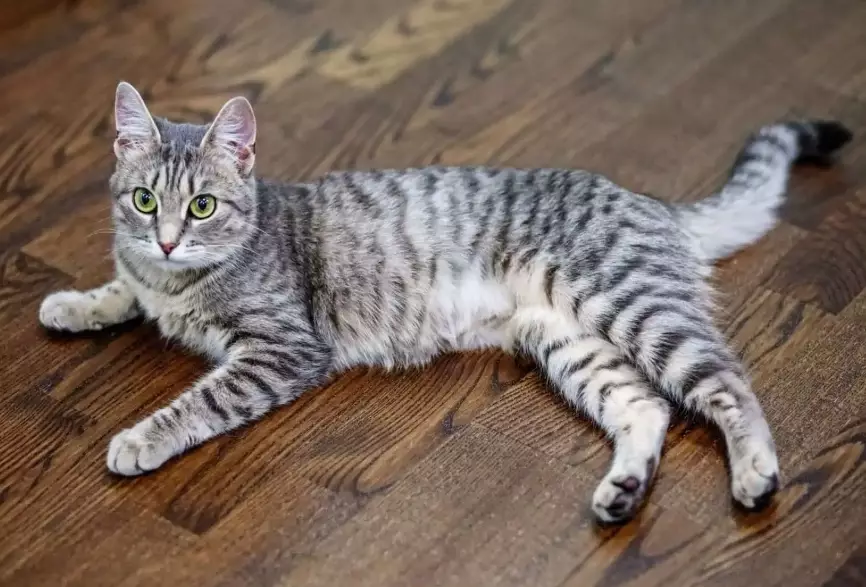
How to Choose the Right Grey Tabby Breed for Your Home
Forget just the color for a minute. The grey stripes are the wrapping paper; the breed (or mix) determines the personality inside the box. Ask yourself these questions:
What's Your Activity Level?
Are you a couch potato or someone who enjoys active play? A high-energy Siberian or Maine Coon will need interactive play sessions daily—think feather wands, puzzle feeders, and maybe even leash training. A British Shorthair will be content with a couple of short play sessions and lots of cozy nap time near you.
How Much Space Do You Have?
Large, active breeds like Maine Coons and Norwegian Forest Cats truly thrive in homes where they can run, climb, and explore. Vertical space is non-negotiable for these guys. A massive, sturdy cat tree is a better investment than an expensive bed. For smaller spaces, the adaptable American Shorthair or the calm British Shorthair are often better fits.
Do You Have Allergies?
This is crucial. No cat is 100% hypoallergenic. People react to a protein (Fel d 1) in cat saliva and skin oils, not the fur itself. However, some breeds, like the Siberian, are known to produce lower levels of this protein. If allergies are a concern, never buy a cat based on claims alone. Spend time with the specific breed, or even the specific kitten, before committing. Many Siberian breeders encourage allergy visits for this reason.
What About Grooming Commitment?
That gorgeous long grey tabby coat on a Maine Coon or Siberian is a commitment. It will shed, especially seasonally, and it will mat if not brushed regularly. Matting isn't just unsightly; it's painful and can pull on the skin. Are you ready to brush your cat 2-3 times a week for 15-20 minutes? If not, a short-haired breed is a wiser choice.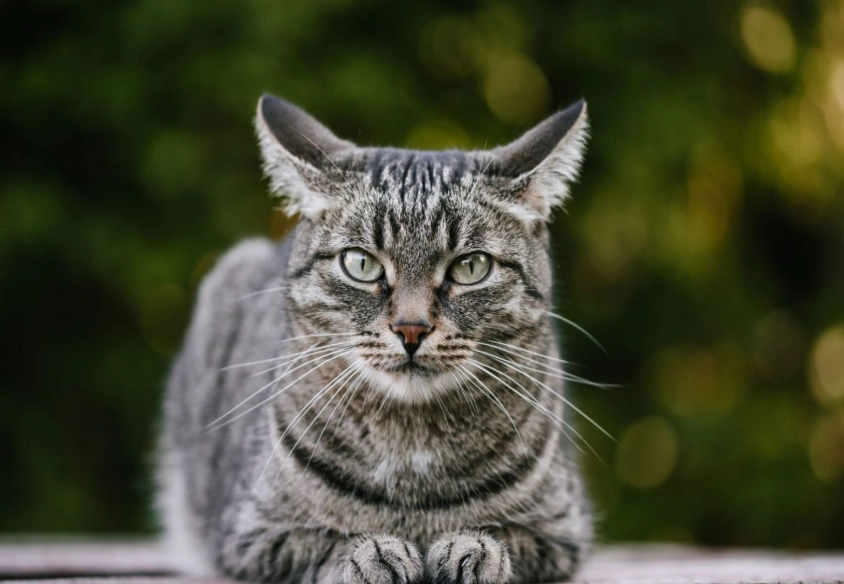
Grey Tabby Care & Health Guide
Caring for a grey tabby cat depends far more on its breed and individual health than its coat color. However, there are some universal truths.
Grooming: Regular brushing is essential for all cats. It reduces hairballs, distributes skin oils, and is a great bonding activity. Longhairs need it to prevent mats. Even shorthairs benefit from a weekly go-over with a slicker brush or grooming glove.
Diet & Exercise: Tabby cats are not immune to obesity. The laid-back nature of some grey tabby breeds (looking at you, British Shorthair) makes them prone to weight gain. Measure their food, avoid free-feeding, and engage them in daily play. A laser pointer alone isn't enough—they need to "catch" something, so use a wand toy they can actually bite.
Common Health Considerations: Again, breed matters most.
- Maine Coons: Screen for hypertrophic cardiomyopathy (HCM) and hip dysplasia. Reputable breeders test for these.
- British/American Shorthairs: Can be prone to obesity-related issues like diabetes and joint stress.
- Scottish Folds: The gene that causes the folded ears can lead to osteochondrodysplasia, a painful joint and bone condition. This is why many cat associations have banned the breeding of Scottish Folds.
The single best thing you can do is choose a responsible breeder who does genetic health testing on their breeding stock, or adopt from a shelter that provides a full veterinary workup.
Your Grey Tabby Questions Answered
 My grey tabby kitten has very faint stripes. Will they become more visible?
At the end of the day, the grey tabby pattern is a beautiful starting point. It leads you to a wide world of wonderful cats, from the sturdy and sweet British Shorthair to the magnificent and playful Maine Coon. Your job is to look past the stunning grey stripes and find the feline heart that beats in rhythm with your own life. Whether through a responsible breeder or a shelter adoption (where many gorgeous grey tabby mixes await), the perfect companion is out there.