Your Quick Guide
- Understanding Ragdoll Cat Color Genetics (The Simple Version)
- The Tabby Ragdoll Cat: A Visual Guide to Patterns
- Official Breed Standards: What Do the Cat Registries Say?
- Identifying a True Tabby Ragdoll Cat: What to Look For
- Your Tabby Ragdoll Questions, Answered
- Caring for Your Tabby Ragdoll
- Conclusion: Embracing the Diversity of the Ragdoll Breed
So you're scrolling through pictures of fluffy Ragdolls and you stumble on one with those distinctive stripes, swirls, or spots. You do a double-take. Wait a minute, can Ragdoll cats be tabby? I had the same exact reaction a few years back at a cat show. There was this stunning cat with the classic Ragdoll blue eyes and floppy demeanor, but its coat was clearly marked with a beautiful tabby pattern. It completely threw me off. I thought all Ragdolls were color-pointed like Siamese cats. Turns out, my knowledge was pretty limited.
The short, direct answer is a resounding yes. Ragdoll cats absolutely can be tabby. But it's not as simple as a regular tabby cat wearing a Ragdoll costume. The way the tabby pattern expresses itself in Ragdolls is deeply tied to their unique color-point genetics, and it creates some of the most breathtaking and sought-after looks in the breed. If you're wondering if that adorable striped kitten you saw advertised is a real Ragdoll, or if you're just curious about the incredible variety within this popular breed, you're in the right place. We're going to dig into the genetics, the official standards, and the stunning visual results.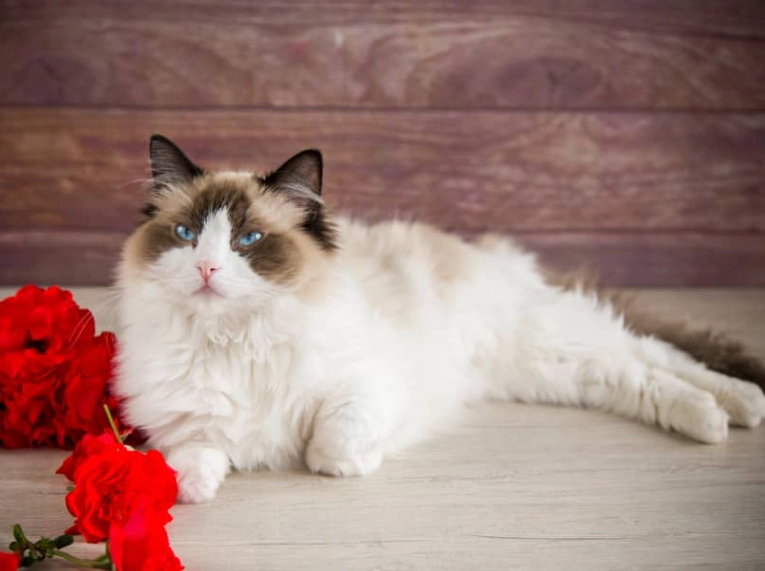
Let's get this out of the way first: A purebred Ragdoll cat can indeed have a tabby pattern. This is most famously seen in the "Lynx Point" Ragdoll, where the tabby striping (or "lynx" markings) appears specifically on the cat's points—the face, ears, legs, and tail. However, tabby patterns can also appear on the body in certain, rarer color classifications. The presence of the tabby gene doesn't make a cat less of a Ragdoll; it's just one piece of its genetic color puzzle.
Understanding Ragdoll Cat Color Genetics (The Simple Version)
To really grasp how a Ragdoll can be tabby, you need a tiny crash course in cat coat genetics. Don't worry, I'll keep it painless. Think of it like a recipe. Ragdolls have a few key genetic "ingredients" that create their signature look.
First, they carry the pointed gene. This is the same gene Siamese cats have. It's temperature-sensitive, meaning pigment develops in the cooler parts of the body (the points) while the warmer torso remains a lighter color. That's why Ragdolls are born white and their points darken as they grow.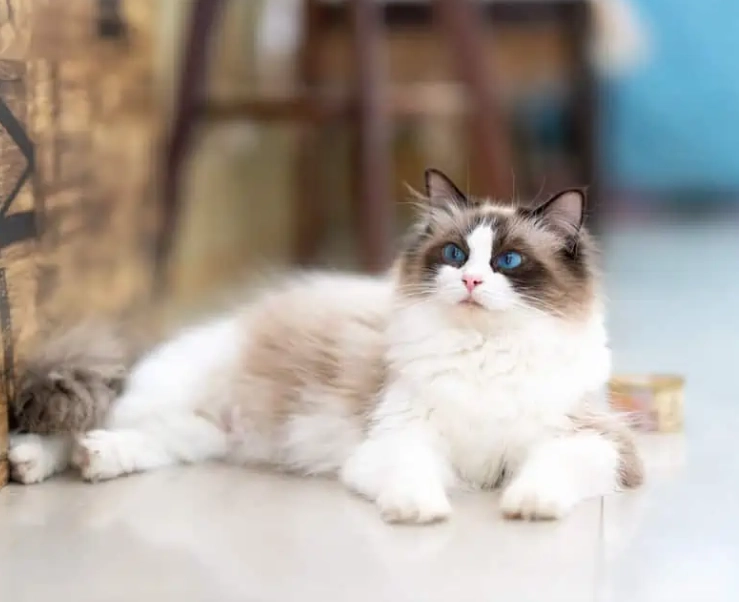
Second, you have the base color. This is the underlying pigment: seal (a very dark brown), blue (a grey dilution of seal), chocolate, lilac, red (cream), and their various combinations.
Now, here's where the tabby part comes in. The tabby pattern gene is separate. In most cats, this gene creates the classic stripes, bullseyes, or spots. In Ragdolls, when this tabby gene is present on top of the pointed gene, something special happens. The tabby markings don't cover the whole body uniformly. Instead, they are restricted to—you guessed it—the cooler points. This creates the Lynx point pattern.
It's a bit like having a stencil. The pointed gene creates the stencil (the points), and the tabby gene fills that stenciled area with stripes. The body remains a lighter, mostly pattern-free shade, though you can sometimes see very faint ghost tabby markings on kittens or adults in certain lights.
Honestly, the first time a breeder explained this to me, it felt like a lightbulb moment. It made so much sense. The question "can Ragdoll cats be tabby?" shifts from a yes/no to a "how does it show up?"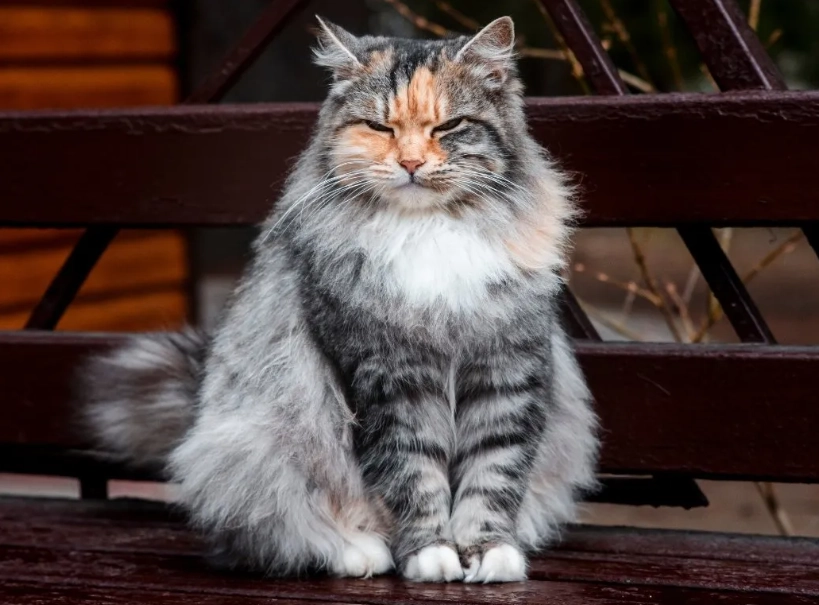
The Tabby Ragdoll Cat: A Visual Guide to Patterns
Not all tabby is created equal. In the general cat world, there are four main tabby patterns. In Ragdolls, you'll mainly encounter two of them in a pronounced way, but it's good to know the whole family.
Lynx Point (The Superstar)
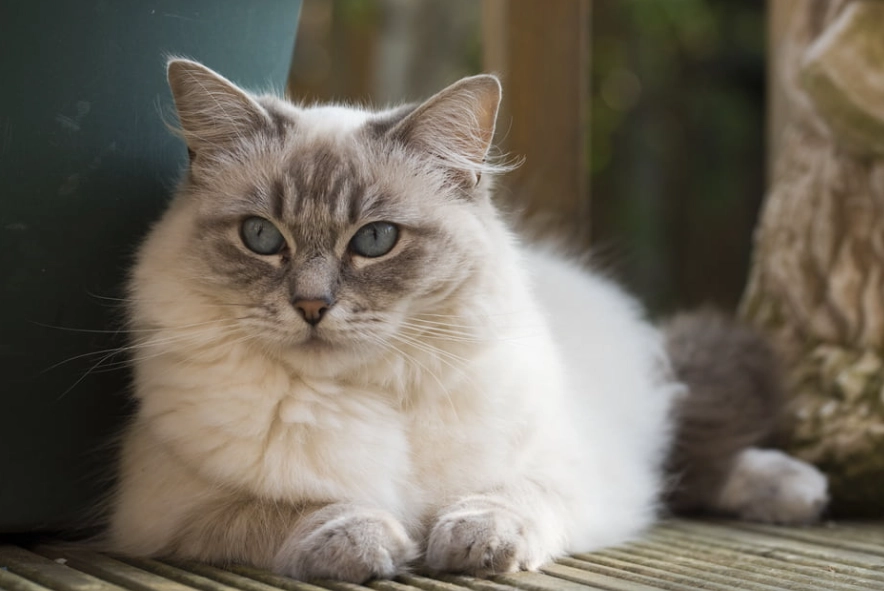
This is the most common and widely recognized way a Ragdoll cat can be tabby. The Lynx point is essentially a color-point cat with tabby stripes on its points. The key features are:
- Distinct "M" Marking: A clear tabby "M" on the forehead, between the eyes.
- Striped Legs and Tail: The legs and tail show obvious, dark rings or stripes against the point color.
- Liner Eye Makeup: The eyes are outlined in the point color, and you'll often see white "spectacles" around the eyes themselves, which is a classic tabby trait.
- Striped Cheeks: Delicate stripes ("mascara lines") running back from the outer corners of the eyes.
A Lynx point Ragdoll can come in any of the base colors. So you can have a Seal Lynx Point (dark brown stripes), a Blue Lynx Point (grey stripes), a Chocolate Lynx Point, a Lilac Lynx Point, and even Red (Flame) or Cream Lynx Points. The body color will be the pale version of that base color.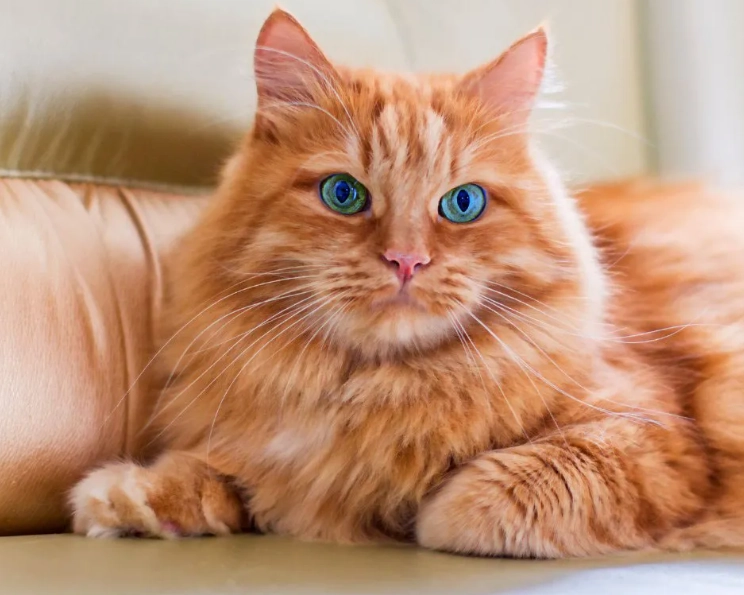
My friend has a Blue Lynx Point Ragdoll named Asher. When he was a kitten, his stripes were very subtle, just a hint of grey on his ears and tail. Now at three years old, his stripes are bold and beautiful, especially on his tail, which looks like a raccoon's. His body is a pristine, icy white. He's a walking example of how stunning the Lynx pattern can be.
The Rarer Full-Body Tabby Patterns
Now, this is where it gets interesting and a bit more controversial among some breed purists. Can Ragdoll cats be tabby all over, not just on the points? Genetically, yes. If a Ragdoll inherits the tabby gene but does not have the dominant solid gene that would suppress the pattern, and if the pointed gene's expression is modified or absent in certain lines (which is complex and debated), you can get Ragdolls with tabby patterns across their entire body.
These are often called "non-traditional" or "non-standard" colors by major cat registries like the Cat Fanciers' Association (CFA). However, other registries like TICA (The International Cat Association) are more accepting of a wider color palette. These full-body tabbies are usually the result of outcrossing programs decades ago that introduced new colors.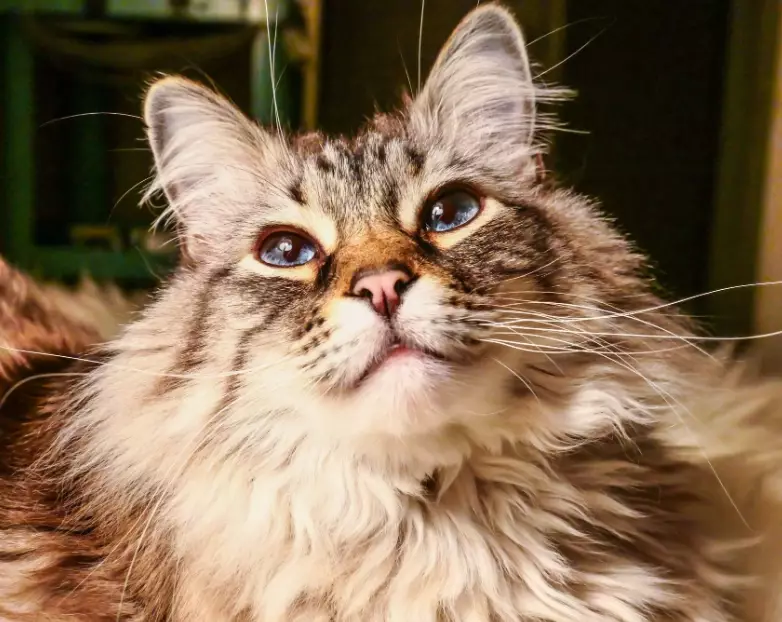
- Mackerel Tabby Ragdoll: This is the classic "tiger stripe" pattern with thin, parallel lines running down the sides. It's quite rare to see in a purebred Ragdoll context.
- Classic Tabby Ragdoll: Features the beautiful bullseye or swirl pattern on the sides. Even rarer.
- Spotted Tabby Ragdoll: The stripes are broken up into spots. This is exceptionally uncommon.
- Ticked Tabby Ragdoll: Each hair is banded with color, giving a salt-and-pepper or sandy appearance without clear stripes. This is the pattern of Abyssinian cats and is very rare in Ragdolls.
It's crucial to understand that if you see a Ragdoll advertised with these full-coat tabby patterns, you should ask the breeder a lot of questions about lineage and registration. They may be beautiful and healthy cats, but they might not be eligible for championship status in all cat show organizations.
Official Breed Standards: What Do the Cat Registries Say?
This is a practical concern for breeders and show cat enthusiasts. Whether a tabby Ragdoll is "allowed" depends on who you ask.
The Cat Fanciers' Association (CFA), one of the largest registries, has a more conservative standard. They recognize the pointed pattern (with no tabby), the Lynx point (tabby on points), and the tortie point. They do not recognize solid, mink, or sepia Ragdolls, or full-body tabby patterns. For CFA, the answer to "can Ragdoll cats be tabby?" is a qualified yes, but only as a Lynx point.
The International Cat Association (TICA) is generally more inclusive. Their Ragdoll breed standard accepts a much wider array of colors and patterns, including all point colors (seal, blue, chocolate, lilac, red, cream) in solid, lynx, tortie, and torbie (tortie+tabby) patterns. They also have categories for non-traditional colors like solid and mink, which can also carry the tabby gene. So in TICA, the spectrum of acceptable tabby Ragdolls is broader.
Why does this matter to you as a potential owner? If you dream of showing your cat, you need to choose a kitten from lines bred to meet the standard of your target registry. If you just want a loving pet, the registry's opinion matters less than the health and temperament of the kitten. But a reputable breeder will always be transparent about where their cats' colors fit in the standard.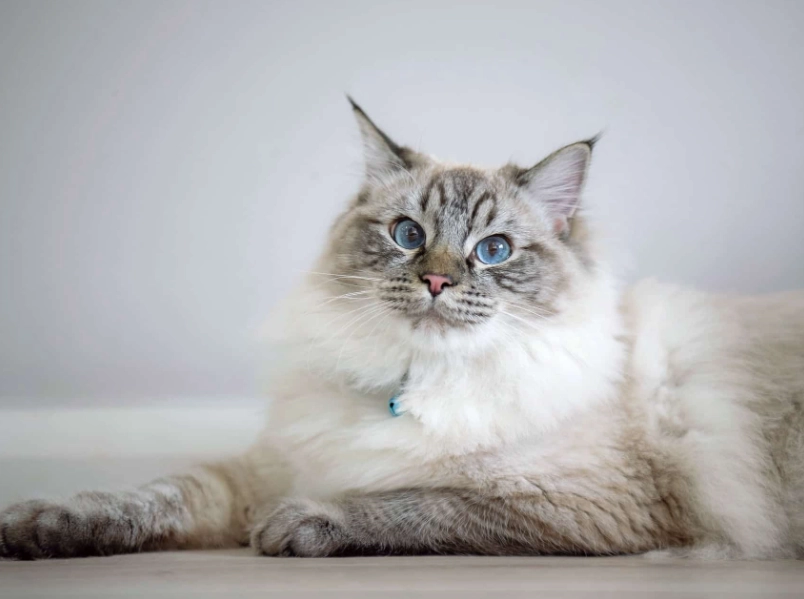
Identifying a True Tabby Ragdoll Cat: What to Look For
With the rising popularity of Ragdolls, it's important to know how to spot the real deal versus a mixed-breed cat that just looks fluffy and pointed. The tabby pattern alone isn't a giveaway. Here’s a quick checklist:
- Eye Color: This is a huge one. Ragdolls must have blue eyes. No exceptions. If a "tabby Ragdoll" has green, gold, or copper eyes, it is not a purebred Ragdoll. The blue can range from a pale, icy blue to a deep sapphire.
- Body Type: Ragdolls are large, substantial, muscular cats with a semi-longhaired coat. They have a broad chest, sturdy legs, and a plumed tail. A delicate, fine-boned cat with a tabby point pattern is more likely a Colorpoint Shorthair mix or something similar.
- Coat Texture: The Ragdoll coat is silky-soft and plush, not woolly or cottony. It's designed to mat less than other longhaired breeds, but it still requires regular grooming.
- Temperament: While not a visual marker, the famous Ragdoll temperament is a clue. They are known for being docile, affectionate, and going limp when held (hence the name). A very skittish or aggressive cat is unlikely to be a well-bred Ragdoll, regardless of color.
- Documentation: A reputable breeder will provide registration papers from a recognized association like CFA or TICA. The papers will list the color code, which for a Lynx point would be something like "BLH a 21" (for a Blue Lynx Point).
| Pattern Name | What It Looks Like | How Common in Purebred Ragdolls | Key Genetic Ingredient |
|---|---|---|---|
| Seal Lynx Point | Dark brown/black stripes on creamy body. Dark brown points. | Very Common | Pointed Gene + Tabby Gene + Seal Color |
| Blue Lynx Point | Grey stripes on icy white body. Grey points. | Very Common | Pointed Gene + Tabby Gene + Blue (dilute) Color |
| Chocolate Lynx Point | Milk chocolate stripes on ivory body. Warm brown points. | Less Common | Pointed Gene + Tabby Gene + Chocolate Color |
| Flame (Red) Lynx Point | Orange/red stripes on pale peach body. Orange points. | Uncommon | Pointed Gene + Tabby Gene + Red Color |
| Classic/Mackerel Tabby (Full Body) | Swirls or stripes over the entire body, not just points. | Rare / Non-Standard | Tabby Gene + Absent/Modified Pointed Gene |
Your Tabby Ragdoll Questions, Answered
Caring for Your Tabby Ragdoll
Good news: caring for a tabby Ragdoll is no different from caring for any other Ragdoll. Their gorgeous coat doesn't require special treatment based on its pattern. Here’s what you need to focus on:
- Grooming: Brush their semi-long coat at least 2-3 times a week to prevent mats and tangles. They are not as prone to matting as some breeds, but regular grooming is still essential.
- Nutrition: Feed them high-quality cat food, preferably wet food or a combination of wet and dry. Ensure they have access to fresh water at all times.
- Exercise: While they are relaxed, they still need playtime to stay healthy and happy. Engage them with interactive toys and climbing structures.
- Veterinary Care: Schedule regular check-ups with your vet. Ragdolls are generally healthy, but like all breeds, they can be prone to certain genetic conditions like hypertrophic cardiomyopathy (HCM). Responsible breeders screen for these issues.
I've spoken to several Ragdoll breeders over the years, and one thing they all emphasize is that color should never be the primary reason for choosing a kitten. Temperament, health, and the breeder's ethics are far more important. A beautifully marked tabby Ragdoll from a questionable breeder is not a good choice. Always prioritize health and personality over coat color.
Conclusion: Embracing the Diversity of the Ragdoll Breed
So, can Ragdoll cats be tabby? The answer is a definitive, fascinating yes. The tabby pattern, especially in the form of the stunning Lynx point, adds a layer of wild beauty to this already magnificent breed. It’s a testament to the complex and wonderful world of feline genetics.
Whether you are drawn to the classic elegance of a Seal Lynx point or the rare mystery of a non-standard tabby, understanding the genetics and breed standards behind these patterns will help you make an informed decision. Remember, the most important thing is to find a healthy, happy kitten from a reputable breeder who prioritizes the well-being of their cats.
The world of Ragdolls is full of color and pattern surprises. The tabby Ragdoll is just one beautiful example of how nature can paint a masterpiece on a canvas of fluff and affection.