Let's get one thing straight right away. If you're picturing a low-maintenance, hypoallergenic cat that just happens to have no fur, you're in for a shock. The Sphynx Egyptian Cat is many things—affectionate, energetic, downright hilarious—but "low-maintenance" isn't one of them. I've shared my home with one for seven years, and the amount of misinformation out there is staggering. People see the hairless body and make assumptions. This guide is about replacing those assumptions with the gritty, practical reality.
What You'll Discover
Sphynx Origins: A Canadian Story, Not an Egyptian One
The name "Egyptian" is a bit of clever marketing. The modern Sphynx breed actually began in Toronto, Canada, in 1966 with a hairless kitten named Prune. Breeders worked with this natural genetic mutation, carefully outcrossing to other breeds like the Devon Rex to build a healthy gene pool. The Cat Fanciers' Association (CFA) and The International Cat Association (TICA) have detailed breed standards that emphasize structure and health over just the lack of fur.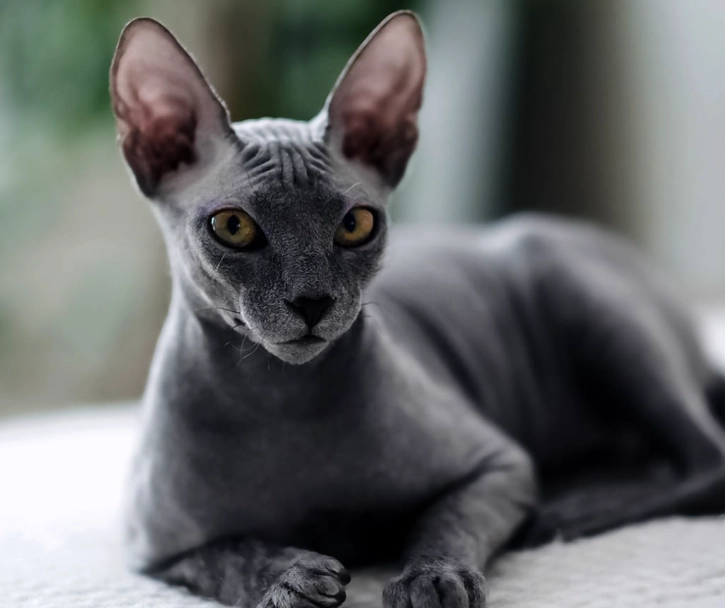
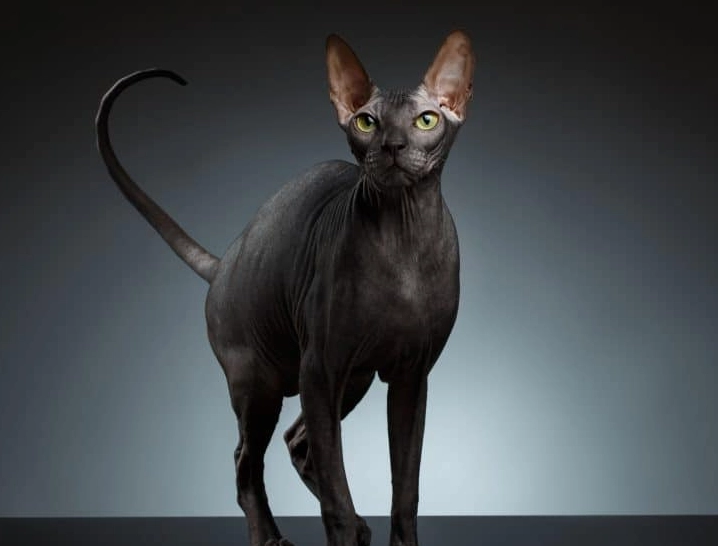
Here's the first major misconception: they're not completely hairless. Run your hand over a Sphynx's back. Feel that? It's like warm suede or a peach. They have a fine layer of down. This is why calling them "hairless cats" is slightly misleading. They have hair, it's just incredibly short and sparse.
Personality & Temperament: More Dog Than Cat?
Forget the aloof, independent cat stereotype. A Sphynx will redefine your idea of a feline companion. They are social butterflies with the energy of a kitten often well into their senior years.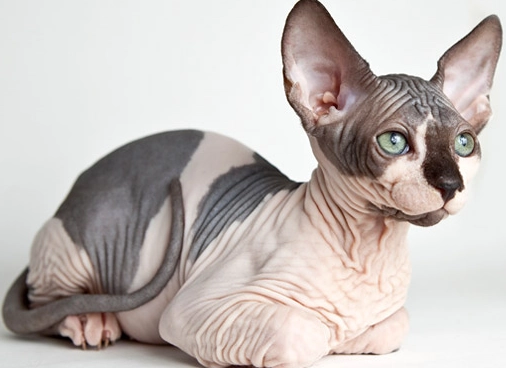
They crave constant interaction. I work from home, and my Sphynx, Anubis, has a dedicated chair right next to my desk. If I close the door to take a call, he's pawing at it within minutes. They hate being alone. This isn't a cat you can leave for a 48-hour weekend with just an extra bowl of food. They get lonely, anxious, and depressed.
They're heat-seeking missiles. No fur means they lose body heat fast. Your lap, your keyboard, the spot right behind your knees in bed—these are all prime real estate. In winter, you'll find them glued to radiators or under blankets. You'll need to monitor room temperature closely; anything below 70°F (21°C) and they'll be looking for a sweater or a warm spot.
Their intelligence is remarkable but can be challenging. They learn to open doors (lever handles are no match), turn on faucets, and will remember where you hide the treats. This intelligence needs an outlet. Puzzle feeders, clicker training for simple tricks, and scheduled playtime are essential to prevent boredom-related mischief.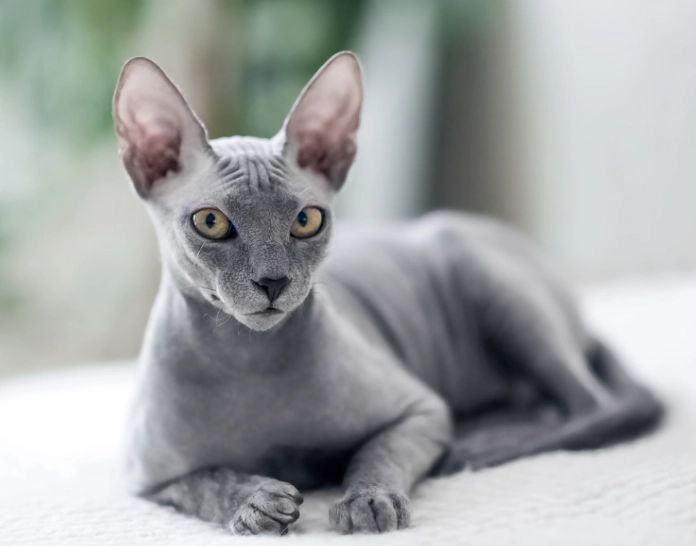
Is a Sphynx Egyptian Cat Right For Your Home?
Ask yourself these questions honestly:
- Time: Can you commit to at least 30-45 minutes of dedicated care (bathing, ear cleaning, play) per week, plus daily interaction?
- Budget: Beyond the initial cost ($1,500 - $3,000 from a reputable breeder), can you handle potential vet bills for heart issues (HCM) and higher food costs (they have fast metabolisms)?
- Lifestyle: Is someone home most of the day? Do you travel frequently? A lonely Sphynx is a destructive, unhappy Sphynx.
- Environment: Is your home relatively warm, free of sharp furniture edges (they can get cuts easily), and safe from direct sunlight (they sunburn)?
The Non-Negotiable Sphynx Care Routine
This is where most prospective owners get a reality check. Grooming a Sphynx isn't optional; it's critical for their health. Their skin produces oils (sebum) that would normally be absorbed by fur. On a Sphynx, it builds up.
Weekly Bathing: Yes, weekly. Use a gentle, hypoallergenic kitten or baby shampoo. The water should be warm, not hot. The trick most guides don't mention? Pre-oil. About 10 minutes before the bath, massage a little coconut or olive oil into the dirtiest areas (between toes, nail beds, chin). It helps dissolve the grime and makes the wash more effective. Rinse thoroughly—any residue will attract more dirt. Dry them completely with a warm towel to prevent chills.
Ear Cleaning: Their large ears produce a startling amount of dark wax. Clean the outer ear with a vet-approved ear cleaner and a cotton ball weekly. Never use Q-tips deep in the ear canal. If you neglect this, they can develop painful infections or mites.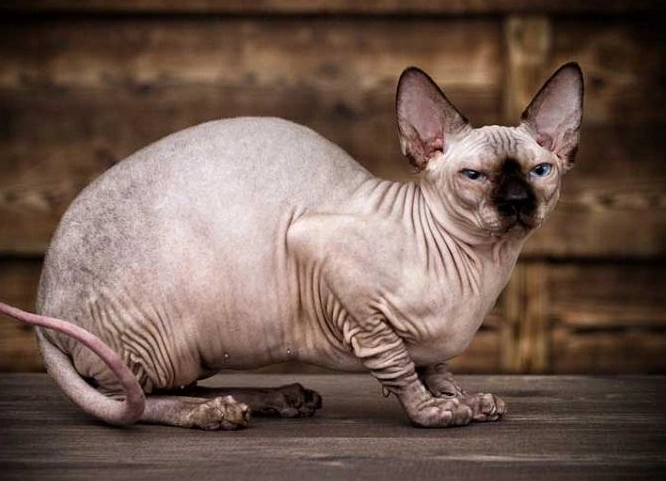
Nail & Paw Care: Trim nails weekly. Check between their toes for built-up brown gunk (a mix of oil and litter) and gently wipe it away. This "toe jam" is normal but needs removal.
Here’s a quick visual summary of the core tasks:
| Task | Frequency | Key Product / Tip |
|---|---|---|
| Full Bath | Every 7-10 days | Baby shampoo, pre-oil with coconut oil |
| Ear Cleaning | Weekly | Vet-approved ear cleaner, cotton balls |
| Nail Trimming | Weekly | Small cat clippers, check for "toe jam" |
| Skin Wipe-Down | Between baths (as needed) | Unscented baby wipes or damp cloth |
| Teeth Brushing | Ideal: 2-3 times a week | Pet toothpaste & finger brush |
Clothing is more than a fashion statement. In cooler climates, a soft sweater helps them regulate body heat. Always use fabrics that breathe, like cotton. Avoid leaving clothes on for more than a few hours at a time to let their skin air out.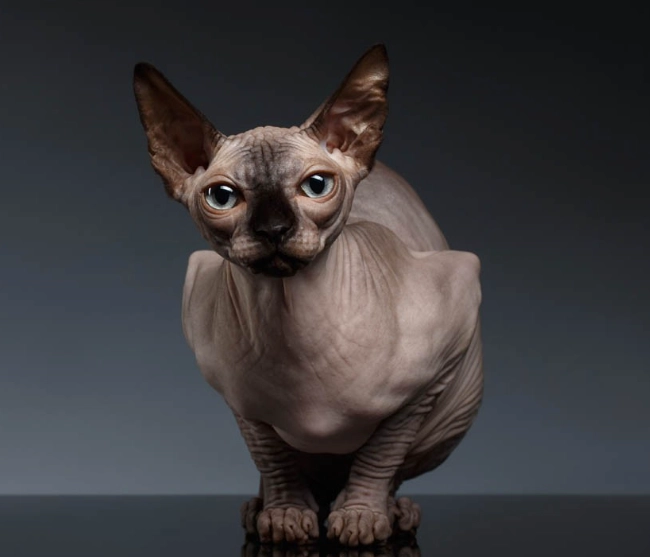
Sphynx Health & Nutrition: What Breeders Don't Always Emphasize
Reputable breeders screen for health, but you must be an informed advocate. The number one threat is Hypertrophic Cardiomyopathy (HCM), a thickening of the heart muscle. It's hereditary. Insist on seeing proof that both parents have been screened annually by a cardiologist via echocardiogram. The HCM testing page from the Cornell Feline Health Center is a vital resource. Even with clear parents, your cat should have a baseline heart scan around 1 year old and follow-ups as your vet recommends.
Other common issues include:
- Skin Conditions: Yeast infections, sunburn, and acne (yes, cat acne on their chins). Using stainless steel or ceramic food bowls instead of plastic can help prevent acne.
- Dental Issues: They can be prone to gum disease. Those weekly teeth brushings are a frontline defense.
Feeding a Sphynx: They have a faster metabolism to stay warm. They need more calories per pound than a furry cat. High-quality, protein-rich food is non-negotiable. Many owners find a mix of wet and dry food works best. Watch their weight—it's easy to see if they're getting pudgy, but you want them to feel muscular, not bony.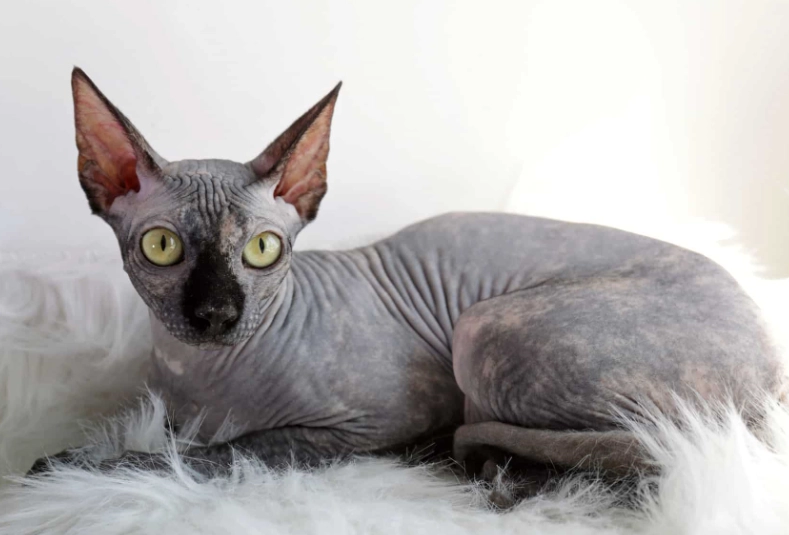
Your Sphynx Egyptian Cat Questions, Answered Honestly
Living with a Sphynx Egyptian Cat is a commitment, not a casual purchase. It's messy, time-consuming, and sometimes expensive. But for the right person, the回报 is immense. You don't just own a cat; you gain a shadow, a comedian, a source of constant warmth (literally and figuratively). They'll make you laugh daily with their antics and force you to slow down for cuddle sessions. If you've read this far and your reaction is, "Bring on the baths and the vet bills," then you might just be the perfect human for one of these extraordinary, naked companions.