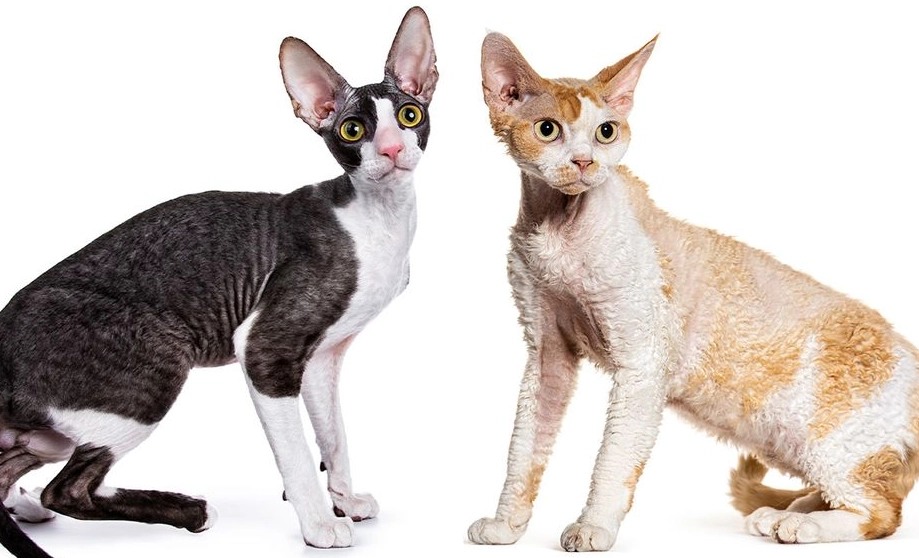
Let's cut to the chase. If you're looking at a picture of a Cornish Rex with its oversized ears, wavy coat, and alien-graceful body, you're probably smitten. But the question burning in your mind isn't about their looks—it's about their life as a pet. Are Cornish Rex cats good pets? For the right person, the answer is a resounding yes. They are often described as the "greyhounds of the cat world" for their sleek build and the "Velcro cats" for their intense attachment. But that intense attachment is the key. This isn't a cat that's content to be a piece of living decor. Owning a Cornish Rex is more like having a permanent, heat-seeking shadow that wants to be involved in everything you do, from typing emails to taking a shower.
What's Inside This Guide?
- The Cornish Rex Personality: More Than Just a Pretty (Wrinkled) Face
- Caring for a Cornish Rex: It's Not Just About the Coat
- Are Cornish Rex Cats Good with Kids and Other Pets?
- Potential Health Issues to Be Aware Of
- The Verdict: Is a Cornish Rex the Right Cat for You?
- Your Cornish Rex Questions, Answered
The Cornish Rex Personality: More Than Just a Pretty (Wrinkled) Face
Forget everything you think you know about aloof cats. The Cornish Rex personality is a three-act play of clown, acrobat, and cuddle monster.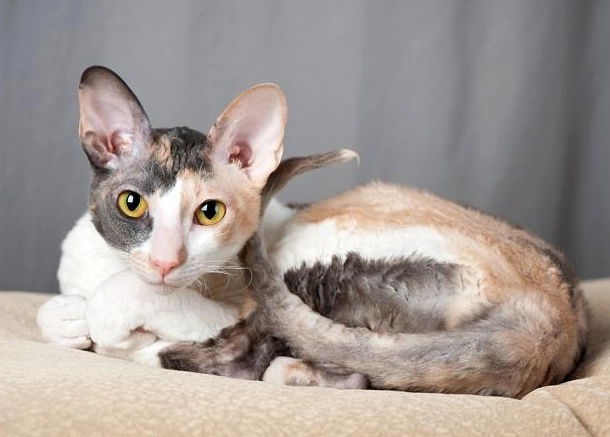
Their energy is legendary. I remember catsitting for a friend's Rex, Mochi. Within an hour, she had mastered opening the lower kitchen cabinet, dragged out a pot lid, and was using it as a sled to push herself across the hardwood floor. This isn't rare. They need interactive play—think feather wands, puzzle toys, fetch—multiple times a day. A bored Cornish Rex is a mischievous one.
Then there's the warmth. Literally and figuratively. Their single coat (just the downy undercoat, no guard hairs) means they feel incredibly soft, like warm suede or crushed velvet. But it also means they get cold easily. You'll find them perpetually seeking heat sources: your laptop vent, the sun patch on the carpet, or, most commonly, nestled under the covers with you or draped around your neck like a living scarf. This need for warmth fuels their famous affection. They are lap cats, shoulder cats, and follow-you-into-the-bathroom cats.
They're also surprisingly dog-like. Many learn their names quickly, come when called, and can be taught tricks like sit, high-five, and fetch. Their curiosity is boundless, and they want to be in the middle of any household activity.
- High-Energy & Playful: Requires daily, engaging play sessions.
- Extremely Affectionate & People-Oriented: Prone to separation anxiety if left alone too long.
- Intelligent & Inquisitive: Needs mental stimulation; can get into things.
- Vocal: Not yowlers, but they have a soft, chirpy voice they use to converse with you.
Caring for a Cornish Rex: It's Not Just About the Coat
Here's a common misconception: "No fur, no grooming!" Wrong. Their care is different, not necessarily easier.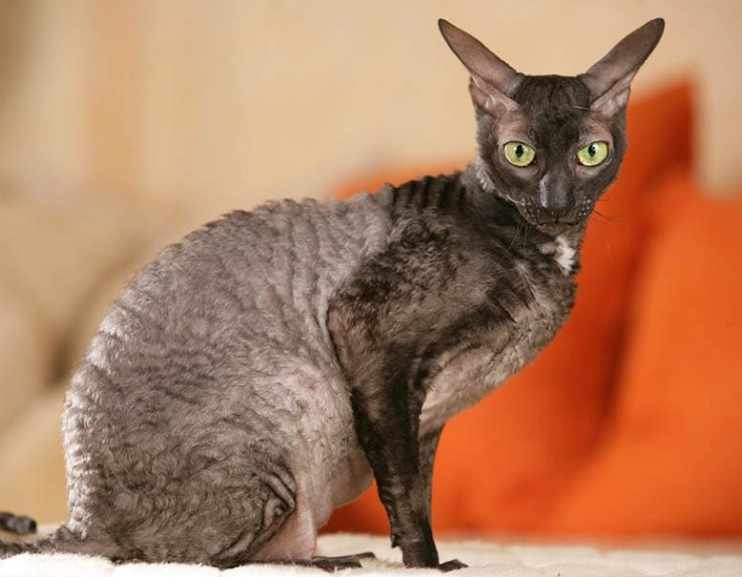
Grooming and That Famous Coat
They shed very little, which is a huge plus for clean freaks. But their skin produces oils that would normally be absorbed by a full coat. Without guard hairs, that oil can build up on their skin. You don't need to brush them, but they often require regular bathing—every few weeks to a couple of months—to prevent a greasy feel and potential skin issues. Use a gentle, cat-specific shampoo. Many owners find their Rex enjoys the warm water.
Their large ears also need checking and occasional gentle cleaning, as they can accumulate wax more quickly.
Diet and Exercise
With their high metabolism and constant activity, Cornish Rex cats often need more calories than the average cat. A high-quality, protein-rich diet is essential. Consult your vet, but be prepared for them to be enthusiastic eaters. Pair this with their exercise needs. A cat tree isn't furniture; it's a gymnasium. They love to climb and leap. Window perches, shelves on walls (cat superhighways), and daily play are non-negotiable to keep them fit and happy.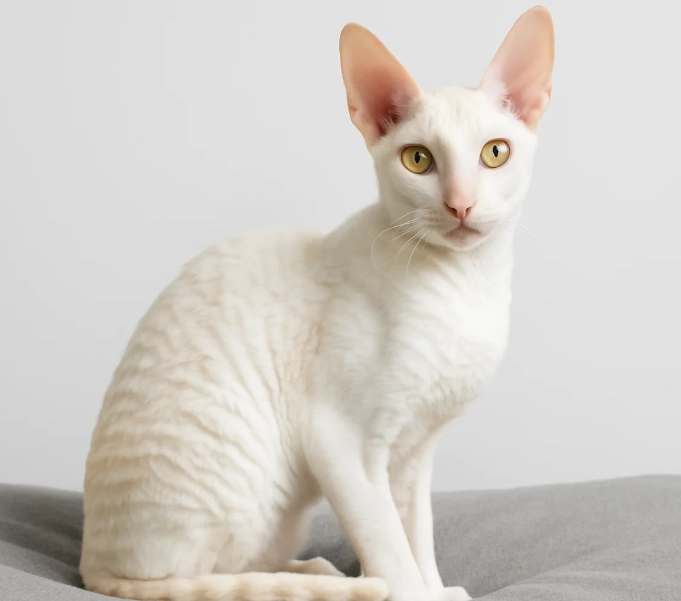
The Warmth Factor
This can't be overstated. If you keep your house cool, you must provide warm spots. Heated cat beds (with safety covers), soft blankets in sunny spots, and even little sweaters for winter walks (yes, many can be leash-trained) are considerate necessities. A cold Cornish Rex is an unhappy one.
| Care Aspect | Cornish Rex Specifics | Why It Matters |
|---|---|---|
| Grooming | Minimal brushing, but may need regular bathing (every 4-8 weeks). Ear cleaning. | Prevents oily skin buildup and infections. Their unique coat can't distribute oils naturally. |
| Feeding | High-quality, high-protein diet. May require more calories than average. | Fuels their high metabolism and energy levels. Prevents them from becoming underweight. |
| Environment | Warmth is critical. Provide heated beds, blankets, avoid drafts. | They lack an insulating outer coat and lose body heat rapidly. Essential for comfort. |
| Enrichment | Daily interactive play, puzzle feeders, vertical space (cat trees, shelves), training. | Prevents boredom and destructive behavior. Satisfies their high intelligence and energy. |
Are Cornish Rex Cats Good with Kids and Other Pets?
Generally, yes, but with crucial caveats.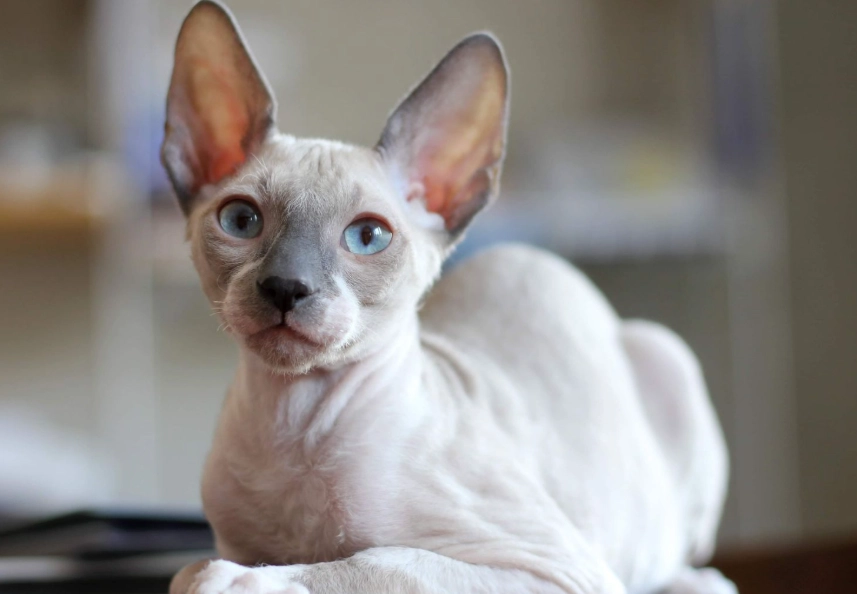
Their playful, tolerant nature often makes them great companions for gentle, respectful children who understand how to handle a pet. They'll join in games and enjoy the attention. However, their slender, delicate build means they can be injured by rough handling. They are not a sturdy, patient breed like a British Shorthair. Supervision with young kids is a must.
With other pets, they often excel. Their social nature means they usually crave companionship. A fellow playful cat (another Rex, a Siamese, an Abyssinian) can be a wonderful match, giving them a playmate for their endless energy. They can also do well with calm, cat-friendly dogs. The introduction must be slow and proper, as with any pet. Their curiosity might initially get them into trouble with a grumpy older cat, but their generally non-aggressive demeanor helps.
The real issue is leaving them alone. A Cornish Rex left by itself for 10 hours a day, five days a week, is a recipe for anxiety, depression, and destructive behavior. If your household is empty most of the day, a Cornish Rex is likely a poor choice unless you can get a second pet for company.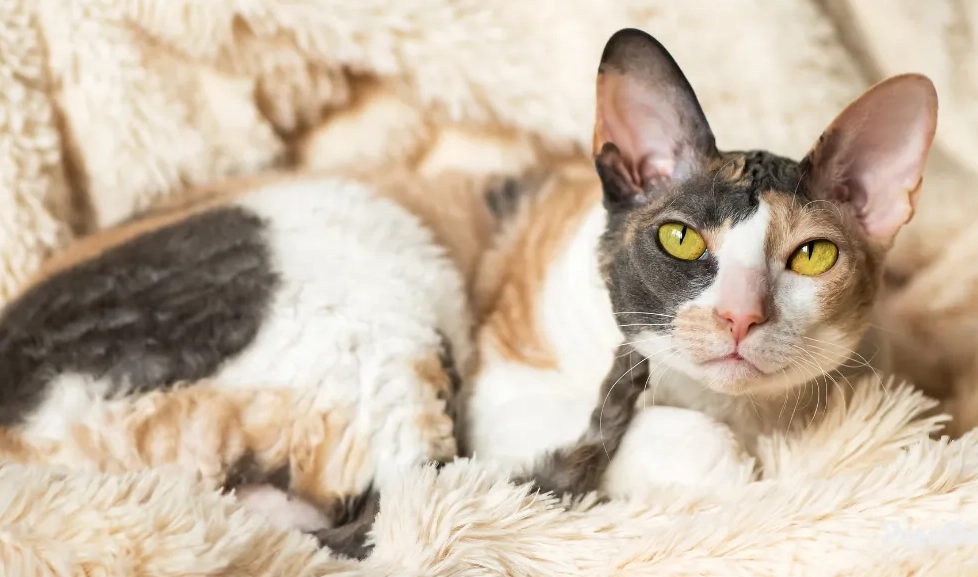
Potential Health Issues to Be Aware Of
Cornish Rex are generally healthy, but their unique genetics come with a few known predispositions. Reputable breeders test for these.
- Hypertrophic Cardiomyopathy (HCM): This is a form of heart disease common in many cat breeds. Ask your breeder for proof of recent HCM screening of the parents. The Cornell Feline Health Center provides excellent resources on this condition.
- Patellar Luxation: A kneecap that dislocates easily. It can range from mild to severe, potentially requiring surgery.
- Hypotrichosis: Some lines can be born with even less hair than usual, making them more susceptible to skin injuries, sunburn, and cold. These cats need extra protection.
- Skin Conditions: Due to the oil buildup mentioned earlier, they can be prone to yeast or bacterial skin infections if not groomed appropriately.
Working with a responsible breeder who prioritizes health over extreme looks is your best defense. Expect to pay for a well-bred kitten from health-tested lines; it's an investment in avoiding heartache and vet bills later.
The Verdict: Is a Cornish Rex the Right Cat for You?
Let's make this decision simple. A Cornish Rex is an excellent pet for you if:
- You want a deeply interactive, affectionate, and entertaining companion.
- You are home often or have other pets to keep them company.
- You're committed to providing daily play, mental challenges, and a warm environment.
- You don't mind a cat that is literally and figuratively "in your business" all the time.
- You're prepared for potential grooming needs beyond just brushing.
A Cornish Rex is likely a poor choice if:
- You want an independent, low-maintenance cat that minds its own business.
- Your home is empty for long stretches daily.
- You prefer a quiet, sedentary pet.
- You are unwilling to provide consistent environmental enrichment.
- You have severe cat allergies and are banking on them being 100% hypoallergenic.
They are not for everyone. But for those who click with their wavelength, they are more than good pets—they are unforgettable, personality-packed life companions.