Quick Guide
- The Technical Feasibility: Can It Physically Happen?
- Why Would Someone Even Consider This?
- The Mountain of Health Risks and Genetic Concerns
- The Ethical Dilemma: Is It Responsible Breeding?
- What Would The Kittens Actually Be Like? (A Realistic Look)
- A Better Path: Choosing a Responsible Breeder or Adoption
- Frequently Asked Questions (FAQs)
- Final Verdict
So you're wondering if you can breed a Ragdoll with a Persian? It's a question that pops up more often than you might think. Maybe you adore the Ragdoll's floppy, affectionate nature but are captivated by the Persian's luxurious, flat-faced glamour. The idea of combining the two to create the "ultimate" fluffy companion is undeniably tempting. I get it. The mental image is charming.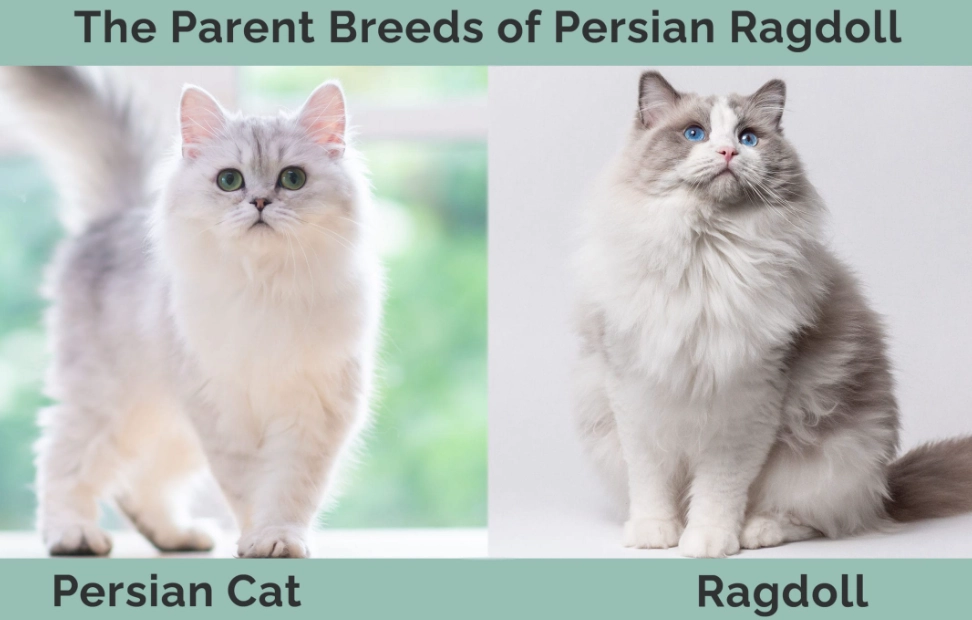
But let's get real for a second. Should you do it?
The short, technical answer is yes, a Ragdoll and a Persian can physically breed. They are both Felis catus. There's no biological barrier stopping them. However, asking can Ragdolls and Persians breed is very different from asking if they should. That's where the conversation gets messy, complicated, and frankly, a bit uncomfortable for anyone who truly cares about cat welfare.
This isn't just about creating cute kittens. It's about genetics, health, ethics, and a hefty dose of responsibility. I've seen the aftermath of poorly planned breed mixes, and it's not pretty. So, let's ditch the sugar-coating and dive deep into what it really means to cross these two popular breeds.
The Technical Feasibility: Can It Physically Happen?
Biologically speaking, there's no mystery here. All domestic cats share the same number of chromosomes. A male Ragdoll and a female Persian (or vice-versa) can mate and produce offspring. The resulting kittens would be mixed-breed cats, often referred to as domestic longhairs of unknown origin, or in casual terms, "moggy" crosses. They would not be a recognized breed.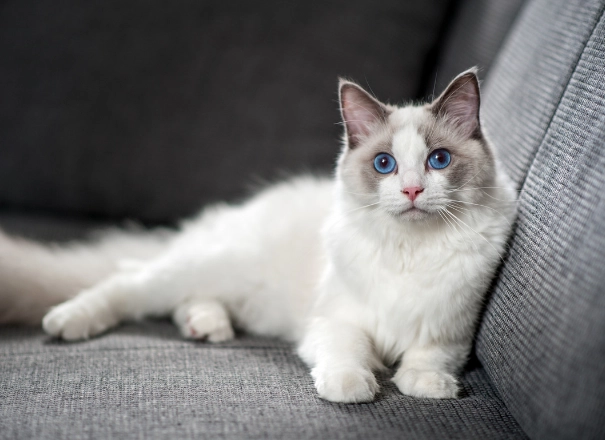
You might hear terms like "Ragdoll Persian mix" or "Persian Ragdoll hybrid" thrown around online. It's crucial to understand that these are descriptive, marketing-like terms, not official breed classifications. Major cat registries like The Cat Fanciers' Association (CFA) or The International Cat Association (TICA) do not recognize a hybrid of these two as a distinct breed. So, if you're dreaming of creating the next big recognized breed, the path is astronomically difficult and ethically fraught.
Why Would Someone Even Consider This?
Let's explore the motivations. They usually fall into a few categories:
- The "Best of Both Worlds" Fantasy: The dream of a cat with the Ragdoll's famously relaxed, puppy-like temperament and the Persian's stunning, plush coat. It sounds perfect on paper.
- Novelty and Uniqueness: The desire to have a one-of-a-kind pet that no one else has.
- Accidental Breeding: Sometimes, it's not planned. An unspayed female and an unneutered male find a way, regardless of our plans.
- Financial Misconception: The belief that "designer" mix kittens can be sold for high prices, similar to certain dog mixes.
Frankly, the idea often comes from a place of misunderstanding what makes these breeds special. Their traits are the result of generations of selective breeding, and mixing them is a genetic lottery with high stakes.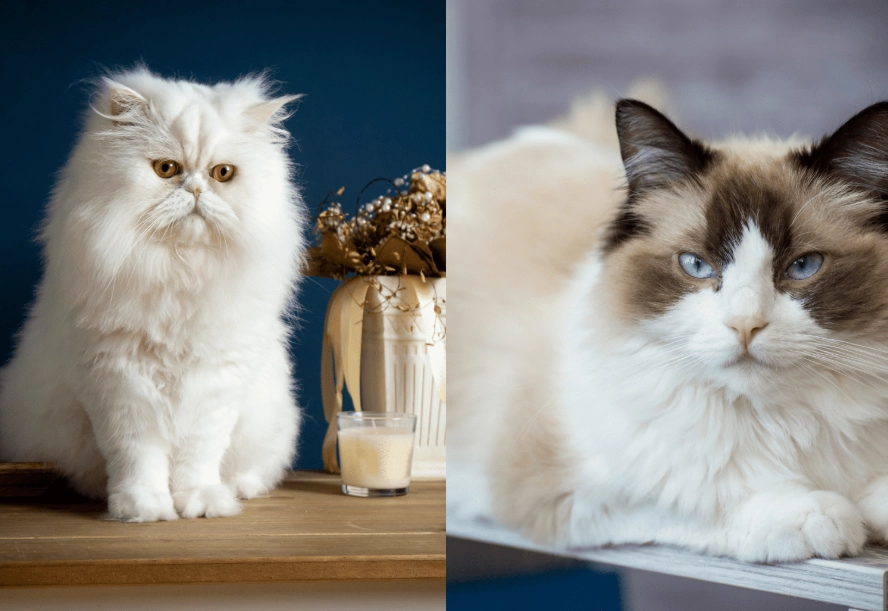
The Mountain of Health Risks and Genetic Concerns
This is the most critical section. Breeding any cat, purebred or not, requires a deep understanding of potential inherited health issues. When you mix breeds, you're potentially combining the health problems of both.
Health Issues Carried by Parent Breeds
| Breed | Common Health Concerns | Genetic Basis |
|---|---|---|
| Ragdoll | Hypertrophic Cardiomyopathy (HCM), a serious heart disease. Polycystic Kidney Disease (PKD) is less common but possible. | HCM is often inherited. Responsible breeders screen parents via echocardiograms. |
| Persian | Brachycephalic Airway Syndrome (due to flat face), Polycystic Kidney Disease (PKD), Progressive Retinal Atrophy (PRA), dental malocclusions. | PKD is a dominant genetic disorder. The flat face (brachycephaly) is a breed standard that inherently causes issues. |
Now, imagine rolling the dice with these conditions. A Ragdoll Persian mix kitten could inherit none, one, or a horrific combination of these problems.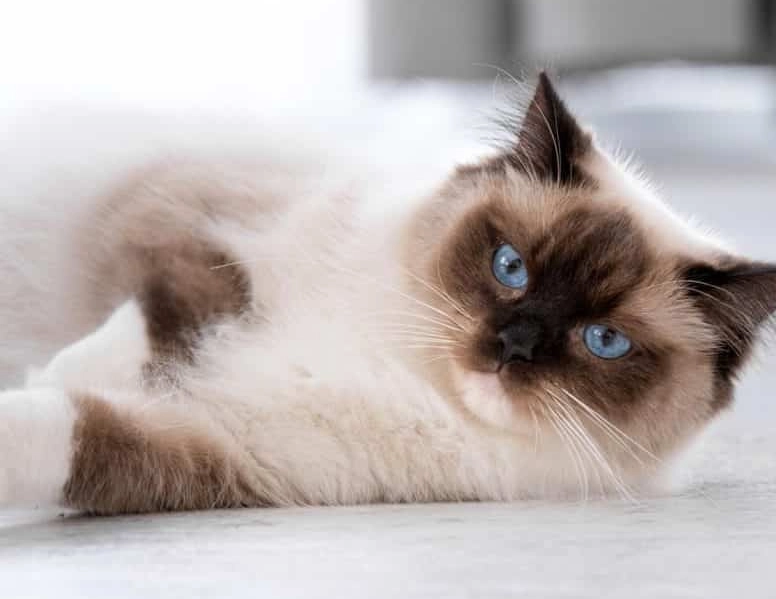
The brachycephalic (flat-faced) structure of the Persian is particularly problematic. This skull shape, responsible for their sweet expression, leads to breathing difficulties, dental crowding, and eye issues (like excessive tearing). Mixing this with a Ragdoll's normal skull structure doesn't guarantee a "moderate" face. You could get kittens with severe breathing issues or strange, uncomfortable facial conformations.
I once spoke to a vet who treated a supposed "Ragdoll Persian mix" with chronic sinus infections and noisy breathing since kittenhood. The owner had no idea the breeder had used a Persian with extreme facial structure. The cat's life was a daily struggle. It was heartbreaking and entirely preventable.
Temperament: Not a Guaranteed Blend
Think you'll get a guaranteed floppy, docile Ragdoll personality in a Persian's body? Genetics doesn't work like a smoothie. Temperament is influenced by many genes and early socialization. You might get a shy, skittish kitten, or one with a more independent streak. Assuming a perfect blend of traits is one of the biggest mistakes prospective owners make.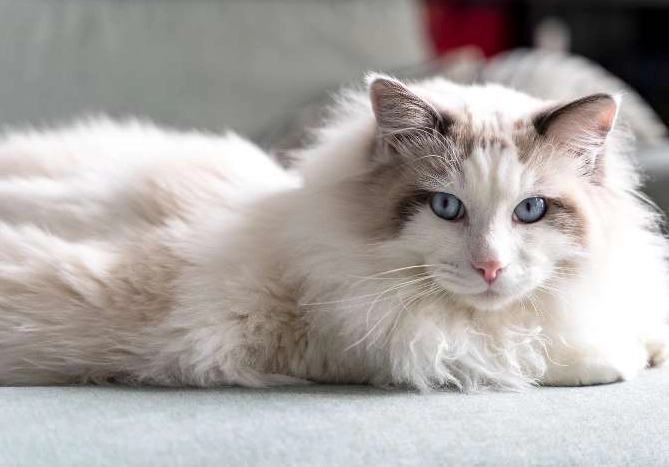
The Ethical Dilemma: Is It Responsible Breeding?
Here's the core of the issue. Responsible breeding has a clear purpose: to preserve and improve a breed while prioritizing health, temperament, and adherence to a breed standard. It involves:
- Extensive health testing of all breeding stock (e.g., heart scans for HCM, kidney ultrasounds for PKD, genetic tests for PRA).
- A deep knowledge of the breed's genetics and history.
- A commitment to every kitten for its entire life, taking back any cat if needed.
- Breeding to a specific standard with a goal, not just to produce cute kittens.
Asking "can Ragdolls and Persians breed" ignores these pillars. What is the goal of such a cross? There is no standard to improve upon. It's an experiment, and the kittens are the subjects. Reputable Ragdoll breeders and reputable Persian breeders would never engage in such a practice. The ones who do are often backyard breeders or kitten mills motivated by profit, not feline welfare.
These operations frequently skip crucial health testing. They contribute to pet overpopulation. And they often sell kittens too young, without proper vaccinations or socialization.
What Would The Kittens Actually Be Like? (A Realistic Look)
Let's paint a realistic picture, free from fantasy:
- Coat: Likely long-haired, but the texture could be a mix—maybe not as plush as a Persian's, maybe not as silky as a Ragdoll's. Grooming needs would be high, requiring daily combing to prevent mats.
- Size: Variable. Ragdolls are large, Persians are medium. Kittens could fall anywhere in between.
- Appearance: A complete lottery. Some might slightly favor one parent, most will just look like lovely, but non-descript, long-haired domestic cats. The chance of getting a "perfect blend" is minuscule.
- Health: As discussed, a potential minefield without proper health screening. Lifelong vet bills are a strong possibility.
- Temperament: Unpredictable. Early socialization by the breeder is critical, but again, not a guarantee of a specific personality.
You are not creating a new breed. You are creating mixed-breed cats with an uncertain future. Is that fair to them?
A Better Path: Choosing a Responsible Breeder or Adoption
If you love both breeds, here are ethical alternatives:
1. Choose a Reputable Breeder of ONE Breed
Visit the CFA breeder referral page or the TICA breeder listing. A good breeder will:
- Welcome your visit to their home.
- Show you health certificates for the parents (HCM scans, PKD clearances).
- Ask you as many questions as you ask them.
- Have a contract detailing health guarantees and a return policy.
- Keep kittens until they are at least 12-16 weeks old.
This way, you get a healthy, well-socialized kitten with a predictable temperament and support system.
2. Consider Adoption from a Shelter or Rescue
Thousands of beautiful long-haired cats, including purebreds and mixes, end up in shelters every year. Organizations like Petfinder allow you to search for cats by coat length. You can save a life and get a wonderful companion without fueling irresponsible breeding.
3. Look for Breed-Specific Rescues
There are rescues dedicated to specific breeds. A Persian or Ragdoll rescue might have adult cats in need of homes. These cats are often already vetted and their personalities are well-known.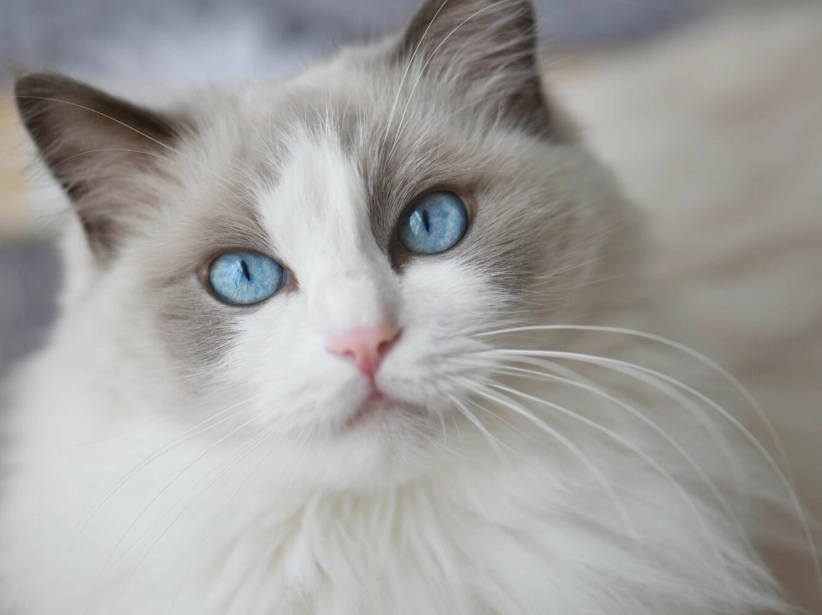
Frequently Asked Questions (FAQs)
Final Verdict
So, can Ragdolls and Persians breed? Biologically, yes.
But the more important question is: Is it ethical, responsible, or in the best interest of the cats? The overwhelming answer from veterinarians, ethical breeders, and animal welfare experts is no.
It combines significant health risks, unethical breeding practices, and contributes to the problem of pet overpopulation. The desire for a unique pet should never come at the potential cost of an animal's health and well-being.
If you love the Ragdoll's personality, find a reputable Ragdoll breeder. If you are mesmerized by the Persian's beauty, find a reputable Persian breeder who prioritizes health. Or better yet, open your heart and home to a rescue cat waiting for a second chance. That is the choice of a true cat lover.