Quick Navigation
If you've ever lived with a Bengal cat, you know the question isn't if they're crazy, but how they manage to sustain that level of chaotic energy day after day. One minute they're a sleek statue on your bookshelf, the next they're ricocheting off the walls like a furry pinball. I remember the first time my Bengal, Leo, discovered he could open the kitchen drawers. I came home to what looked like a utensil explosion, with him proudly sitting in the middle of the mess, a whisker covered in paprika. It was equal parts infuriating and impressive.
So, let's cut to the chase. Why are Bengal cats so crazy? It's not just one thing. It's a perfect storm of genetics, instinct, and intelligence that creates this whirlwind of a pet. It's also the main reason some people absolutely adore them, while others find them utterly exhausting (and I've been in both camps on different days, trust me). This isn't a flaw in their design; it's the core of their being. Understanding the "why" is the first step to not just surviving life with a Bengal, but actually thriving together.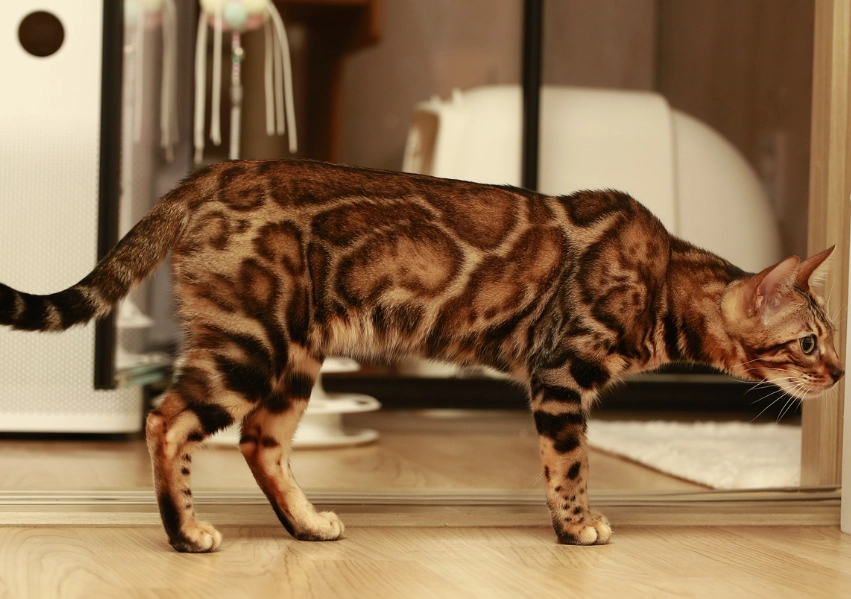
The Wild Heart Beating in Their Chest: It's in Their DNA
The most significant piece of the puzzle is their ancestry. The Bengal breed was created by crossing domestic cats with the Asian leopard cat (Prionailurus bengalensis). This wasn't just done for the gorgeous spotted coat—though that's a stunning bonus. It infused them with the raw, survival-oriented instincts of a wild animal. That wild cat DNA is the engine for a lot of the behaviors we label as "crazy."
Think about what a small wild cat needs to do: hunt tirelessly, patrol a large territory, be hyper-aware of every sound and movement, and have explosive energy for chasing down prey or escaping danger. Your living room Bengal is running on that same ancient software. Their famous midnight zoomies? That's pent-up predatory energy with no gazelle to chase. Their obsession with water? Many small wild cats are proficient fishermen and live near waterways. The International Cat Association (TICA), one of the major breed registries, explicitly notes the Bengal's "wild appearance and lively temperament" as key breed traits, directly linking their look to their lively, energetic behavior.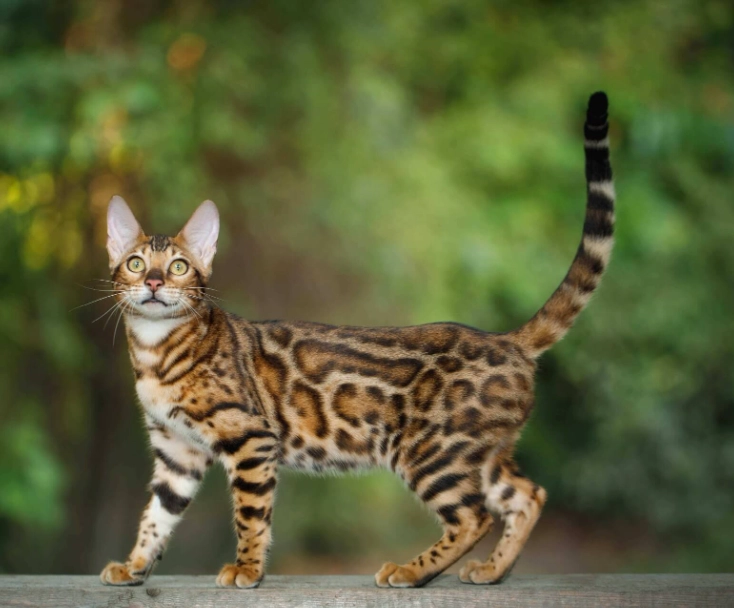
This genetic heritage means they have energy needs an order of magnitude higher than your average moggie. A typical domestic shorthair might be content with a couple of play sessions. A Bengal cat's idea of "play" is a full-time job. They need to run, jump, climb, stalk, and pounce to feel mentally and physically satisfied. When they don't get that outlet, the "craziness" amplifies—often directed at your curtains, your ankles, or your sanity.
More Than Just Energy: A Hyper-Tuned Brain
This is where people often get surprised. The "crazy" isn't just physical. It's profoundly mental. Bengals are widely considered one of the most intelligent cat breeds. They're problem-solvers, escape artists, and master manipulators. Boredom isn't just an annoyance for them; it's a crisis. A bored Bengal is a destructive Bengal.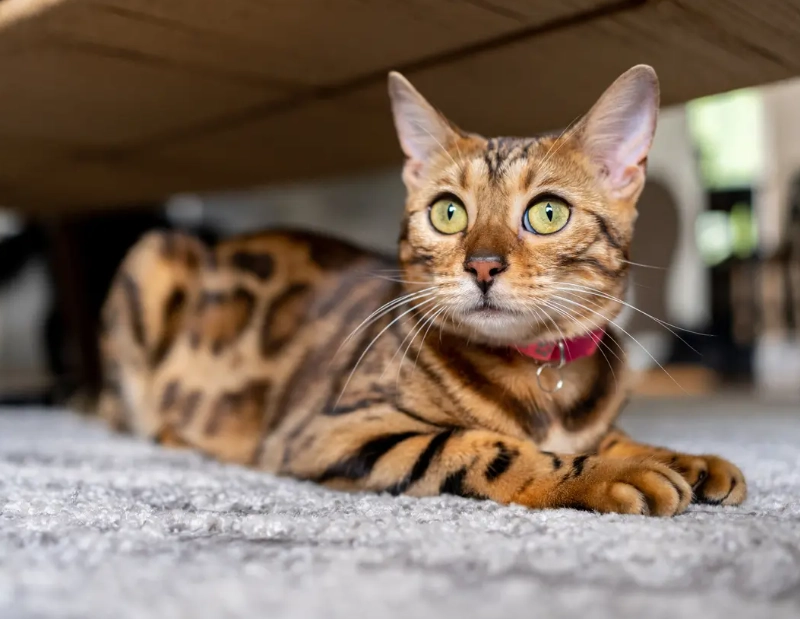
They learn routines faster than you can set them. They figure out door handles, faucets, and puzzle feeders in minutes. I swear Leo knows the sound of the treat bag from two rooms away, and he'll immediately start trying to open the cabinet where it's kept. This intelligence demands constant engagement. You can't just throw a mouse toy on the floor and call it a day. You need to make them think. This need for cognitive challenge is a huge part of why Bengal cats seem so hyper and demanding compared to others.
Decoding the "Crazy": What Are They Actually Doing?
When owners ask "why are Bengal cats so crazy," they're usually describing a specific set of behaviors. Let's break down the most common ones and what's really driving them.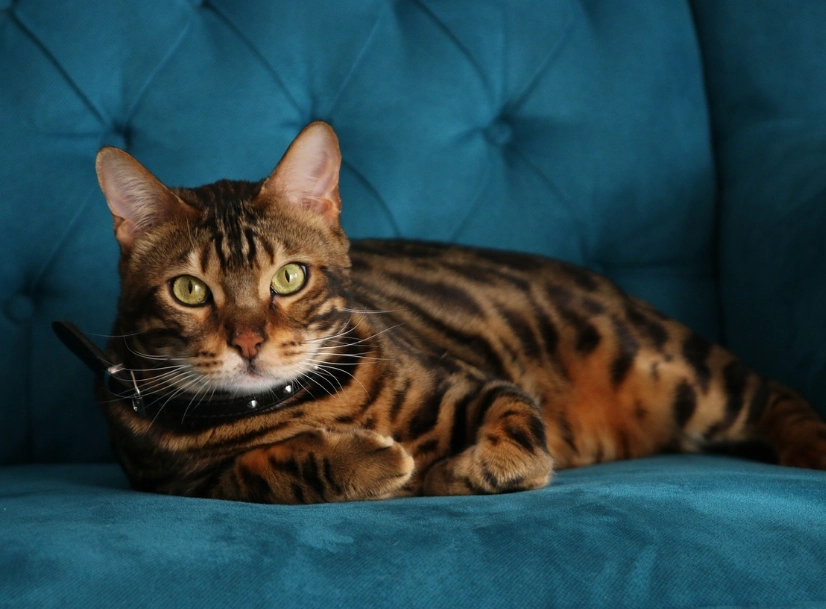
Classic Bengal "Crazy" Behaviors:
- The 3 AM Grand Prix: Also known as the "zoomies." This is a sudden, frantic burst of energy where the cat runs at top speed, often in circles or from one end of the house to the other. It's a natural way to burn off excess energy, often stored from a day of napping. In the wild, crepuscular hunters (active at dawn and dusk) would be gearing up for a hunt around these times.
- Non-Stop Chatter & Yelling: Bengals are famously vocal, but it's not always a standard meow. They chirp, trill, yowl, and have full-blown conversations. They're communicating their needs, excitement, or displeasure. A yowl at the closed bedroom door isn't "crazy"; it's a demand for access to their territory (which is your entire house, in their mind).
- Climbing the Curtains / Scaling Bookshelves: They are arboreal by nature. High vantage points equal safety and a good hunting perch. If you don't provide acceptable high places (cat trees, wall shelves), they will make their own, regardless of your interior design preferences.
- Water Fascination: From tapping the water bowl to joining you in the shower, many Bengals love water. This traces back to their wild ancestors who often hunted near streams. It's not a quirk; it's an ingrained trait.
- Destructive Boredom: Knocking things off counters, shredding paper, unraveling toilet rolls. This is a clear signal: "I am under-stimulated. Entertain me or I will create my own chaos."
See? When you look at it through their lens, it starts to make a twisted kind of sense. The behavior isn't random madness; it's expression of deep-seated instincts.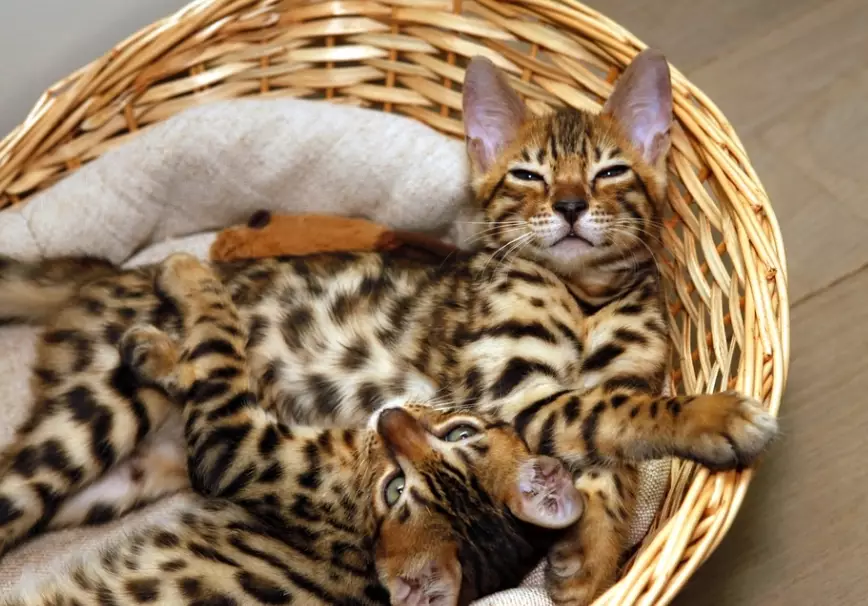
Your Role in the Madness: Environment is Everything
Here's the uncomfortable truth for some owners: a Bengal's environment often amplifies their natural tendencies. A quiet, sedentary home with few outlets is a pressure cooker for a Bengal's energy. Asking why are Bengal cats so crazy without looking at their living situation is like asking why a fish is wet.
Bengals need a rich environment. The ASPCA's guidelines on cat enrichment are a good starting point for any cat, but for Bengals, they're the absolute bare minimum. We're talking about creating a habitat that allows them to express their natural behaviors in acceptable ways.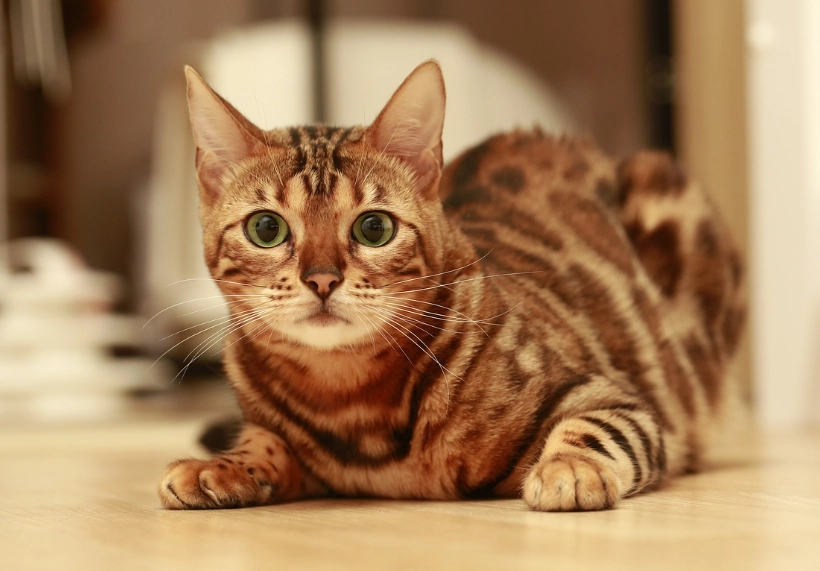
The Bengal Energy & Needs Table
This table breaks down what they need at different stages and activity levels. It's a cheat sheet for managing the madness.
| Life Stage / Activity Level | Physical Energy Need | Mental Stimulation Need | Key "Crazy" Triggers if Unmet |
|---|---|---|---|
| Kitten (0-1 year) | Extremely High. Near-constant motion. | High. Learning boundaries, exploring. | Biting, climbing people, relentless play attacks. |
| Young Adult (1-4 years) | Very High. Peak "zoomies" phase. | Very High. Problem-solving peaks. | Destruction, obsessive vocalization, night activity. |
| Mature Adult (5-8 years) | High. Still needs vigorous daily play. | High. Needs novelty to avoid boredom. | Attention-seeking behaviors, mild destruction. |
| Senior (9+ years) | Moderate. Bursts of energy followed by long rests. | Moderate. Familiar puzzles are good. | Vocalization due to confusion or discomfort. |
| Single Cat Household | YOU are their sole outlet. Demands are high. | YOU are their main source of games. | Separation anxiety, clinginess, demand behaviors. |
| Multi-Cat or Pet Household | Can redirect some energy to play with others. | Social dynamics provide some stimulation. | Bullying other pets if energy isn't managed. |
Looking at this, it's clear. A young Bengal in a calm apartment with an owner who works 9-to-5 is a recipe for the kind of "craziness" that leads to rehoming. It's a mismatch, not a failure of the cat.
Channeling the Chaos: Practical Strategies That Actually Work
Okay, so we know why Bengal cats are so crazy. The million-dollar question is: what can you do about it? How do you live with this miniature leopard without losing your mind? It's about management and redirection, not punishment or suppression.
1. Master the Art of the Play Session
Forget five minutes with a feather wand. Bengal play needs to be intense, interactive, and mimic the hunt. Use a wand toy with a realistic-looking lure (like a bird or mouse). Make it dart, hide, and "escape." Get them running, jumping, and finally, allow them to "catch" and "kill" it. This satisfies the predatory sequence (stalk, chase, pounce, kill). Do this for 15-20 minutes, at least twice a day. Right before bedtime is crucial to tire them out for the night.
2. Build a Bengal-Friendly Jungle Gym
Vertical space is non-negotiable. Invest in the tallest, sturdiest cat tree you can find. Add wall-mounted shelves and walkways to create a "superhighway" around the room. A window perch with a bird feeder outside provides hours of passive entertainment ("Cat TV"). Give them approved things to climb so they leave your curtains alone.
3. Puzzle Feeders Are Your Best Friend
Ditch the food bowl. Make them work for every kibble. Use puzzle balls, snuffle mats, or DIY puzzles (like a muffin tin with tennis balls over the holes). This turns mealtime into a 30-minute brain game, burning mental energy.
4. Consider a Companion
This is a big one, and it doesn't work for every Bengal, but another high-energy, playful cat (often another Bengal) can be a game-changer. They can wrestle and chase each other, burning energy you simply can't replicate. It's a huge commitment, but for the right pair, it cuts the demand on you in half. Reputable rescues like Bengal Cat Rescue often stress the importance of understanding this social need before adoption.
5. Establish a Rock-Solid Routine
Bengals thrive on predictability. Feed, play, and have quiet time at the same times each day. A predictable routine reduces anxiety-based "craziness." They learn when to expect activity and when to settle.
Answering Your Burning Questions
The Final Word: Reframing "Crazy"
So, why are Bengal cats so crazy? They're not crazy. They're authentic. They are a powerful, intelligent, wild-hearted animal packaged in a domestic form. The traits we call "crazy" are the very traits that make them breathtakingly beautiful, hilarious, and endlessly fascinating companions.
Living with a Bengal is a choice. It's a commitment to an active, engaging, sometimes messy partnership. It's not for everyone, and that's okay. If you want a quiet, decorative pet that sleeps 20 hours a day, look elsewhere. But if you want a cat that will challenge you, play with you, learn tricks, and make you laugh every single day with their audacious antics, then you've found your match. The chaos isn't a bug; it's a feature. The key is learning to speak their language and build a world where their wild heart can beat freely, without destroying your home in the process.
Embrace the zoomies. Stock up on puzzle feeders. Build the cat highway. And the next time someone asks you "why is your cat so crazy?" you can just smile and say, "He's not crazy. He's a Bengal."