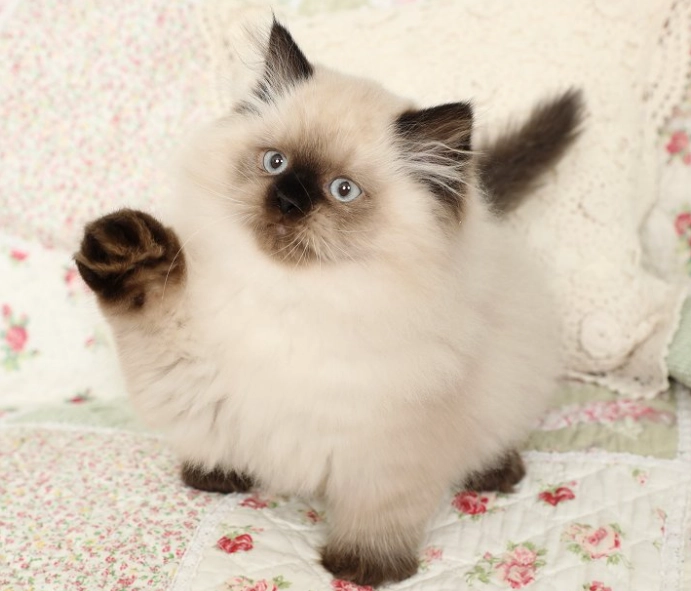
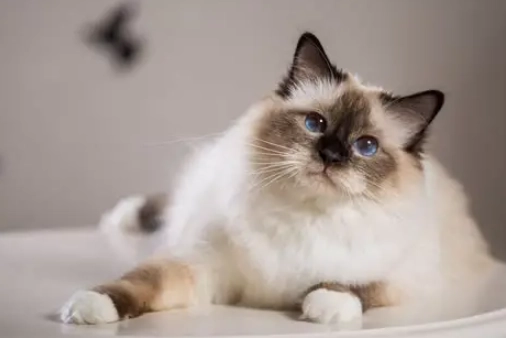
Let's get straight to the point. A Persian Himalayan mix cat isn't a formally recognized breed by major associations like The International Cat Association (TICA) or the Cat Fanciers' Association (CFA). It's exactly what it sounds like: the offspring of a Persian cat and a Himalayan cat. Given that Himalayans are themselves a cross between Persians and Siamese, you're essentially looking at a cat with a heavy Persian influence, often with the potential for those stunning pointed colors. If you've landed here, you're probably smitten by photos of these fluffy clouds with blue eyes and wondering what life with one is really like. I've been around these cats for over a decade, and I can tell you it's less about a specific "mix" breed standard and more about understanding the care needs inherited from its parent breeds.
Your Quick Guide to the Fluffy Persian Himalayan Mix
What Exactly is a Persian Himalayan Mix?
Think of it as a cat on a spectrum. On one end, you have the classic Persian—known for its extreme brachycephalic (flat) face and a variety of solid colors. On the other, the Himalayan, which has a slightly less extreme face (sometimes called "doll-faced") and the color-point pattern (dark ears, face, paws, tail). A mix can land anywhere in between. The first-generation mix (F1) of a pure Persian and a pure Himalayan will always carry the gene for pointed colors, but may not always show it. Their coat is invariably long, dense, and requires serious commitment.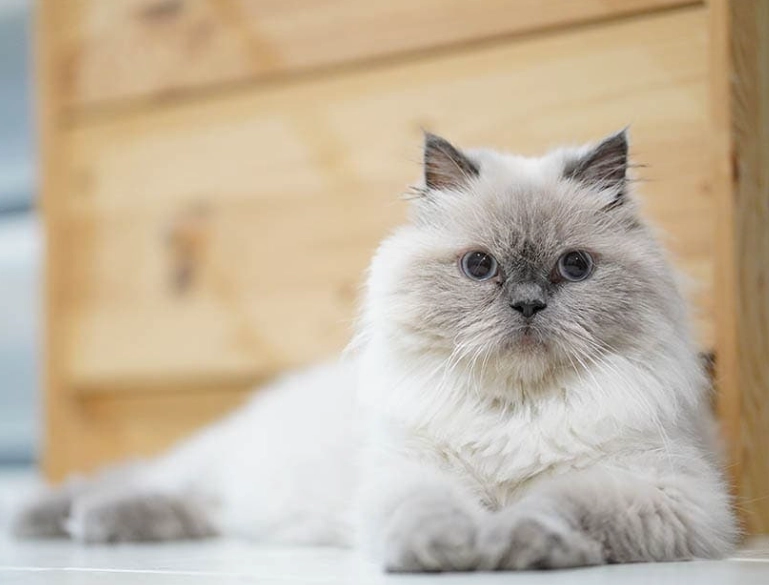
Here’s a quick breakdown of what traits might come from which side:
| Trait | Persian Influence | Himalayan Influence | What This Means for the Mix |
|---|---|---|---|
| Coat | Extremely long, thick undercoat | Long, silky, color-point pattern possible | Guaranteed high-maintenance grooming. May have points (darker extremities) or not. |
| Face Structure | Very flat (peke-face) | Moderately flat (doll-face) | Face can range from very flat to just slightly smooshed. Flatter faces mean higher risk of breathing and eye issues. |
| Eye Color | Copper, blue, green, odd-eyed | Brilliant blue (due to point gene) | Blue eyes are common, especially if the cat shows point coloration. |
| Body Type | Cobby, low to the ground | Cobby, medium to large | A sturdy, heavy-boned cat that isn't built for jumping onto high shelves. |
| Activity Level | Notably calm, sedentary | Calm, but can be more interactive than Persians | Generally a lap cat. Don't expect a marathon runner. Play sessions are short and sweet. |
The biggest mistake newcomers make is assuming the grooming needs are "just like any longhair." It's not. The density is on another level. I once helped a friend adopt what was sold as a "Himalayan mix." The cat was gorgeous, but after a week, small mats had formed behind its ears because they were only brushing the top layer. That undercoat is a beast.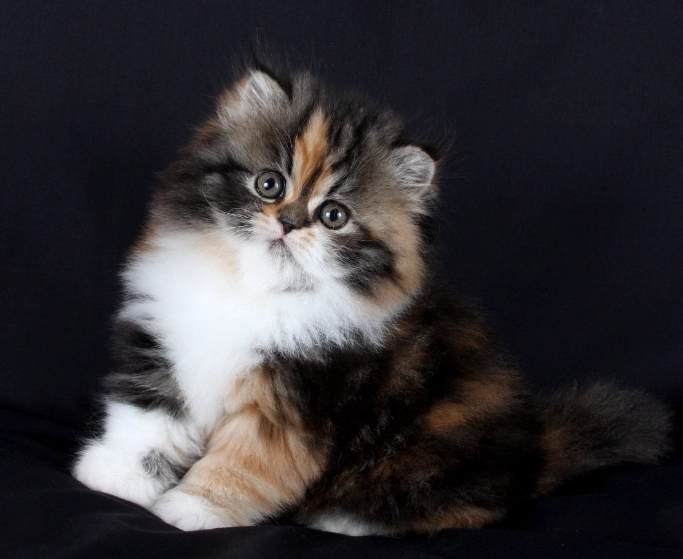
Personality and Temperament: A Gentle Companion
Forget the aloof cat stereotype. Persian Himalayan mixes are typically sweet-tempered, quiet, and deeply bonded to their people. They thrive on routine and a peaceful environment. Loud noises, constant commotion, or chaotic households stress them out. They're observers. You'll often find them perched on a comfy chair, watching the household drama unfold with serene disinterest.
They're not usually "talkers" like a Siamese, but they communicate with soft chirps and expressive eyes. They follow you from room to room, not to get into things, but just to be near you. This isn't a cat that will demand playtime at 3 AM, but they do appreciate short, interactive sessions with a feather wand or a crinkly ball. Their play style is... dignified. A few swats, then they're done.
They get along well with gentle children and other calm pets. A hyper dog or a kitten that wants to wrestle 24/7 is a poor match. They are creatures of comfort above all else.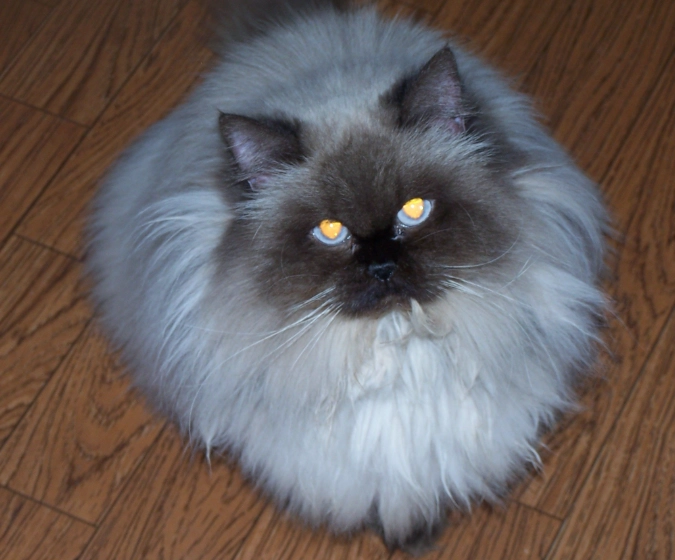
How to Groom Your Persian Himalayan Mix Cat
This is the non-negotiable part of ownership. Fail here, and you'll have a miserable, matted cat facing potential skin infections or even surgery to shave the pelts off. Grooming isn't optional; it's a daily health requirement.
The Daily Ritual (Yes, Daily)
You need a metal comb and a slicker brush. Start with the comb to work through the undercoat, paying close attention to trouble spots: behind the ears, under the armpits, the belly, and the britches (back of the hind legs). Follow with the slicker brush to catch loose hair. This 10-15 minute daily session prevents 99% of matting. Doing it weekly is a recipe for disaster—the mats will have already formed and tightened against the skin.
Bathing: The Occasional Necessity
Every 4-6 weeks. Use a cat-specific shampoo and conditioner. The conditioner is key—it helps the hair slip past itself and reduces tangling. The process: brush thoroughly first (never bathe a matted cat), use lukewarm water, and have multiple towels ready. Dry with a blow dryer on low, cool heat while continuously brushing. Letting them air-dry will cause the coat to felt into one giant mat.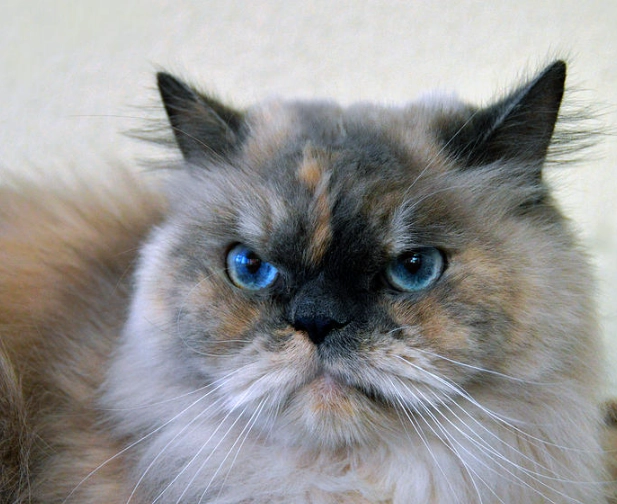
Eye and Face Care
Flat-faced mixes have excessive tearing. Their tears stain the facial fur brown. Wipe their eye corners daily with a soft, damp cloth or a pet-safe wipe. Keep the area dry to prevent yeast infections. Check their facial folds too.
Common Health Considerations and Prevention
Being informed is your best tool. These cats inherit predispositions from their parents.
Brachycephalic Airway Syndrome: The shortened skull can mean narrowed nostrils, an elongated soft palate, and a small windpipe. Symptoms include loud breathing, snoring, exercise intolerance, and in heat, severe distress. Keep them cool and at a healthy weight. Surgery can sometimes help.
Polycystic Kidney Disease (PKD): An inherited condition common in Persians and Himalayans. Responsible breeders screen parent cats via ultrasound. If getting a mix from a source that doesn't test, be aware. Ask your vet about screening.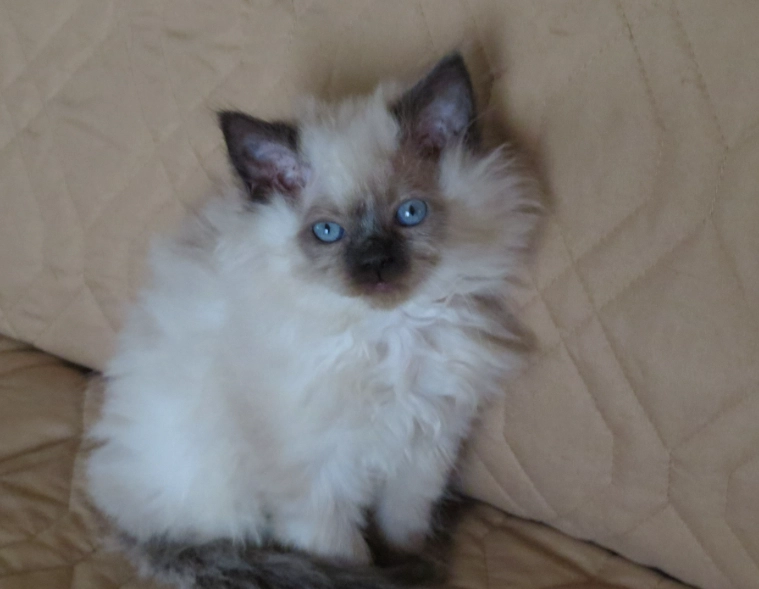
Dental Issues: Crowded teeth due to the small jaw. Start dental care early with brushing or dental treats to prevent painful periodontal disease.
Eye Conditions: Entropion (eyelids rolling inward), excessive tearing, and corneal ulcers. Regular gentle cleaning is a must.
Find a vet experienced with brachycephalic breeds. They'll know what to look for during check-ups. Pet insurance? Strongly recommended. The potential for respiratory or kidney issues makes it a wise investment.
Living with a Persian Himalayan Mix: Diet, Environment & Suitability
So, is this cat for you? Let's break down the day-to-day.
Diet: High-quality food is non-negotiable. Look for formulas with real meat as the first ingredient. Many owners find a mix of wet and dry food works best—wet food for hydration (crucial for kidney health), dry food for dental benefit (though not a substitute for brushing). Avoid free-feeding; these cats can easily become overweight, which worsens every health issue they're prone to. Measure their meals.
Ideal Home Environment: A quiet apartment or a calm house is perfect. They are indoor-only cats. Their coat is a dirt magnet, and they lack street smarts. Provide multiple soft, warm beds at ground level. They aren't big climbers, so a tall cat tree isn't as useful as a sturdy window perch. Keep the litter box immaculate. Long-haired cats can get litter stuck to their britches, so many prefer a large, open-top box with low-dust, pellet or fine-grain litter.
Who Should NOT Get This Cat:
- Someone with a very busy, unpredictable schedule.
- A household with very young, grabby children.
- Anyone allergic to cats (no cat is truly hypoallergenic, and this one sheds a lot).
- A person unwilling or physically unable to commit to daily grooming.
- Someone on a very tight budget (grooming tools, quality food, potential vet bills add up).
If you want a low-energy, affectionate companion who is more than happy to be your living room decoration and cuddle buddy, and you see the grooming as a bonding ritual rather than a chore, then you might have found your match.