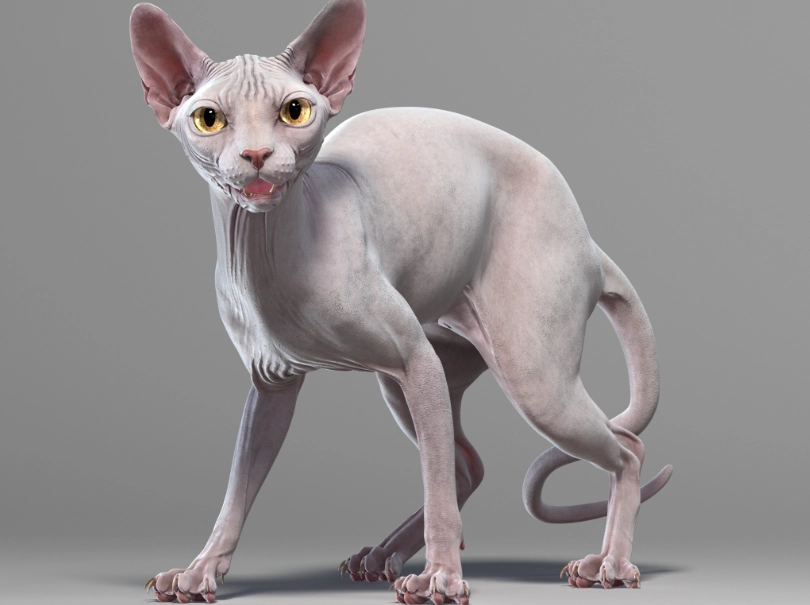
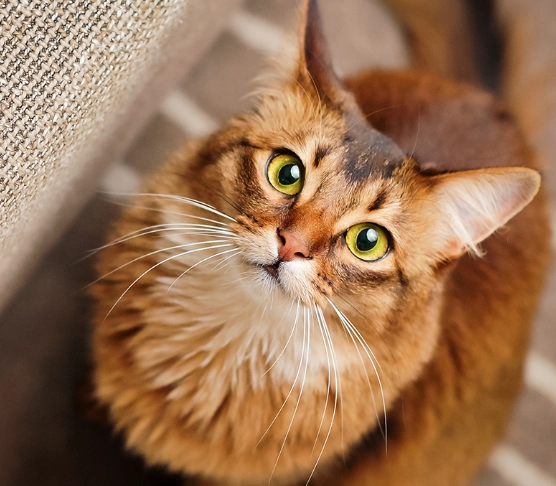
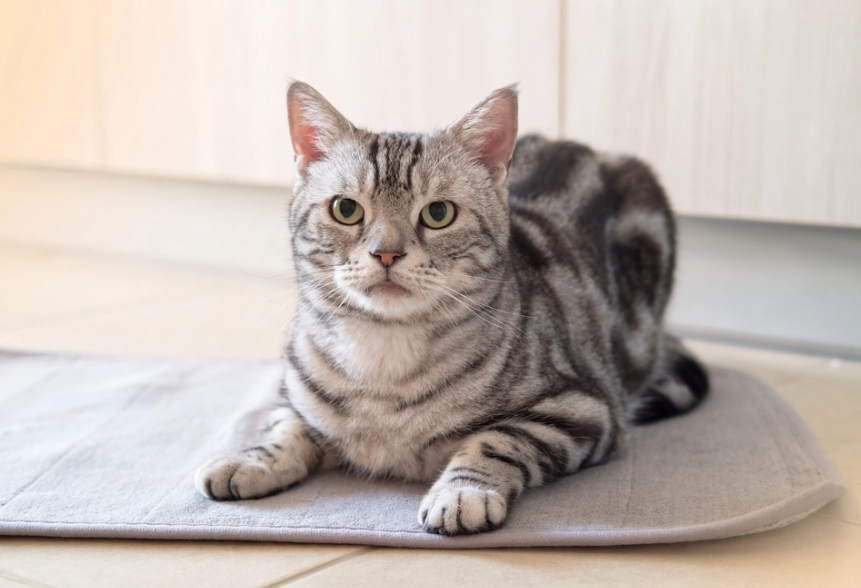
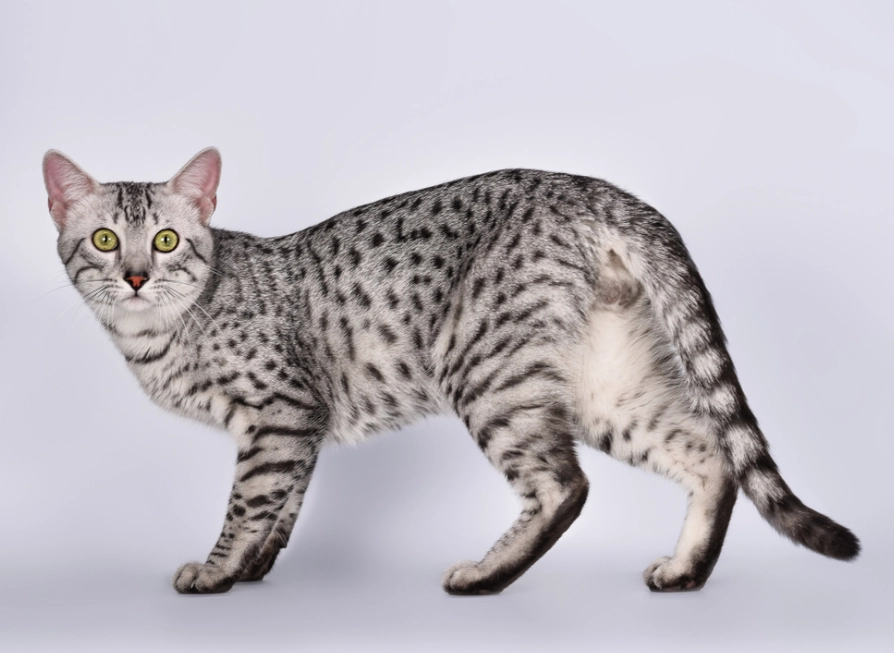
Let's get this out of the way first: yes, a Sphynx cat can have fur. If you're picturing a completely bald cat and scratching your head, you're not alone. The phrase "Sphynx cat with fur" sounds like a contradiction, but it's a real thing that sparks endless questions from potential owners and cat enthusiasts. I've been breeding and showing cats for over a decade, and the amount of misinformation I see online about this specific topic is staggering. Most articles just repeat the same basic facts. Today, we're going deeper. We'll look past the obvious and talk about the genetics that cause it, the specific care a furry Sphynx needs (which is different from both a regular Sphynx and a fully furred cat), and the health nuances everyone misses.
What’s Inside This Guide
What Does "Sphynx Cat With Fur" Actually Mean?
This isn't one single look. When people search for this, they could be picturing a few different cats. It's crucial to know which one you're actually talking about, because the care for each varies.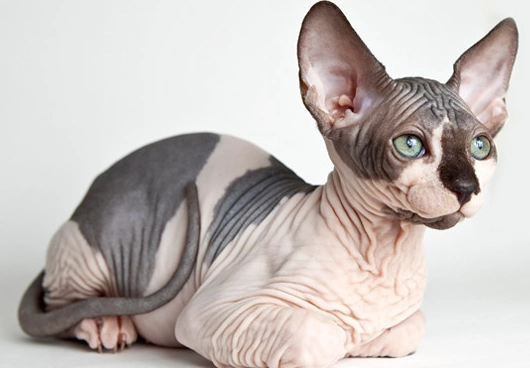
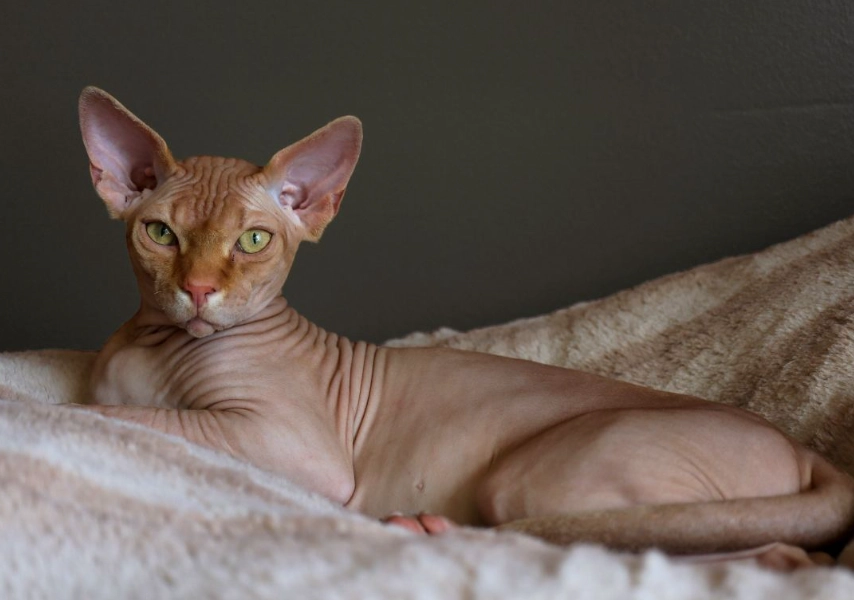
The Velvety Peach Fuzz: This is the most common scenario. A purebred, show-quality Sphynx is never truly hairless. Run your hand over one, and you'll feel a suede-like or peach-fuzz coating. This is normal. In certain lights or seasons, this fuzz can become more noticeable, making the cat look like it has a very short, even coat. It's often most prominent on the nose, ears, and tail. This isn't "fur" in the traditional sense, but it's what many first-time owners are surprised by.
The Seasonal or Patchy Coat: Some Sphynx cats grow more substantial fuzz in colder months, especially along their spine and tail. It usually sheds out when it gets warmer. Others might have persistent patches of fur on certain points (points being the face, ears, legs, and tail). This is often linked to temperature and individual genetics.
The "Fluffy" Sphynx or Long-haired Variant: This is the rarest and most genetically fascinating. Sometimes, a recessive gene for long hair (carried silently by parents) can express itself. The result is a Sphynx with a distinct, often wispy or curly, coat. It's not the dense undercoat of a Persian, but it's undeniable fur. Breeders sometimes call these cats "Sphynx with a twist." They are not a separate breed but a natural variation within the Sphynx gene pool.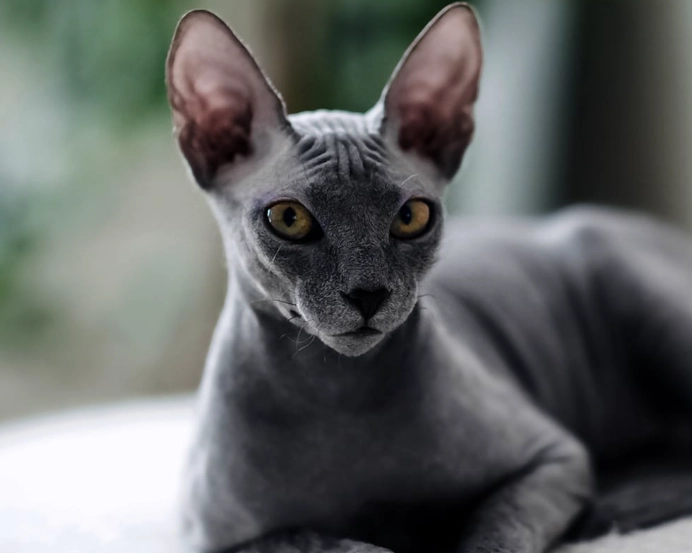
Key Takeaway:
Don't assume a Sphynx with visible fuzz is unhealthy or poorly bred. The breed standard from The International Cat Association (TICA) describes the skin as feeling like "a warm chamois" or "a peach," which explicitly allows for this fine hair. A complete lack of any fuzz is rarer than having some.
The Genetics Behind the Fuzz: It’s Not a Flaw
The Sphynx's hairlessness comes from a natural genetic mutation, not human engineering. The gene responsible is recessive and affects the hair shaft. Here's the part most guides don't tell you: the expression of this gene is incomplete. It doesn't switch off hair growth entirely; it makes the hair shaft fragile, so it breaks easily or doesn't fully form. That's why you get the fuzz instead of a proper coat.
Think of it like a dimmer switch, not an on/off button. Environmental factors like climate, hormones, and even diet can subtly turn that dimmer up or down, affecting how much fuzz a cat has at any given time. A study published in the journal Animal Genetics confirmed that the Sphynx mutation leads to a wide variety in residual hair cover, which is perfectly normal.
When two Sphynx cats carrying the recessive longhair gene mate, you can get a longhaired kitten. These kittens are genetically Sphynx but with a surprise coat. Responsible breeders test for this gene to understand their breeding lines, not because it's a problem, but for predictability.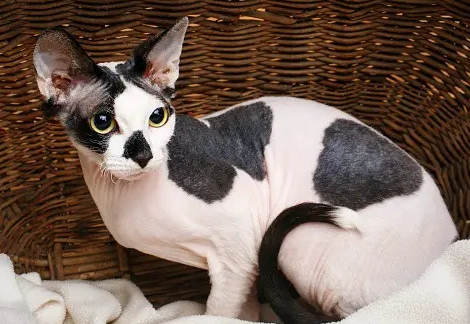
How to Care for a Furry Sphynx Cat: A Step-by-Step Routine
Caring for a Sphynx with a noticeable fur coat is a hybrid between caring for a bald Sphynx and a furred cat. This is where most owners make subtle but critical mistakes.
The Bathing Conundrum
Bald Sphynxes need weekly baths to remove oily sebum. A furry Sphynx? Not necessarily. The fur can actually absorb and distribute some of that oil, meaning they might get away with a bath every 10-14 days. The mistake is bathing them with regular pet shampoo. You still need a gentle, hypoallergenic, moisturizing shampoo designed for sensitive skin. The oil is still there on the skin; the fur just changes how it presents. I've seen owners switch to regular cat shampoo and end up with a cat with dandruff and irritated skin underneath the fuzz.
Skin Care is Still Paramount
Never forget the skin. That fuzz can hide a multitude of sins—dry patches, minor acne, or irritation. You must still get your hands on their skin regularly. After a bath, a light application of a vet-approved, fragrance-free moisturizer on areas like the elbows and underarms is a good idea, even if the fur feels soft.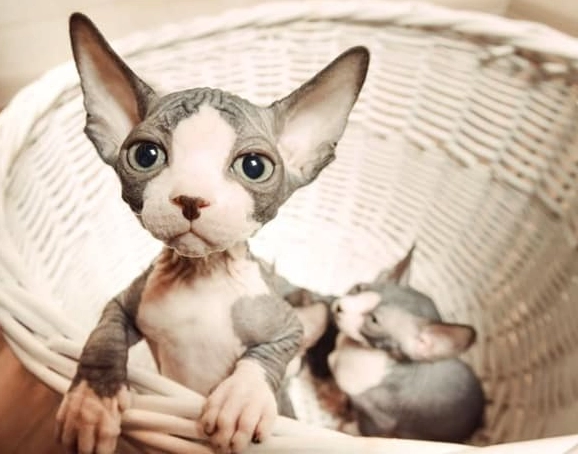
Grooming the Fur Itself
You will need to brush them, but gently. A soft rubber grooming brush or even a fine-toothed comb for babies works wonders. It removes loose fuzz and stimulates the skin. This is the part people enjoy—it feels like grooming a very soft rabbit.
| Care Aspect | Bald Sphynx | Furry Sphynx | Fully Furred Cat |
|---|---|---|---|
| Bathing Frequency | Weekly | Every 10-14 days | Rarely / As needed |
| Primary Focus | Skin oil removal | Skin health & fur detangling | Coat maintenance |
| Grooming Tool | Washcloth, moisturizer | Soft rubber brush, fine comb | Slicker brush, undercoat rake |
| Sun Protection | CRITICAL (sunscreen) | Still Important (fuzz offers minimal SPF) | Less critical for most |
| Winter Needs | Sweaters almost always | Sweaters in cold temps | Usually unnecessary |
Health Considerations Specific to Furry Sphynx Cats
They inherit the general health profile of the Sphynx breed, but the fur adds a layer (pun intended).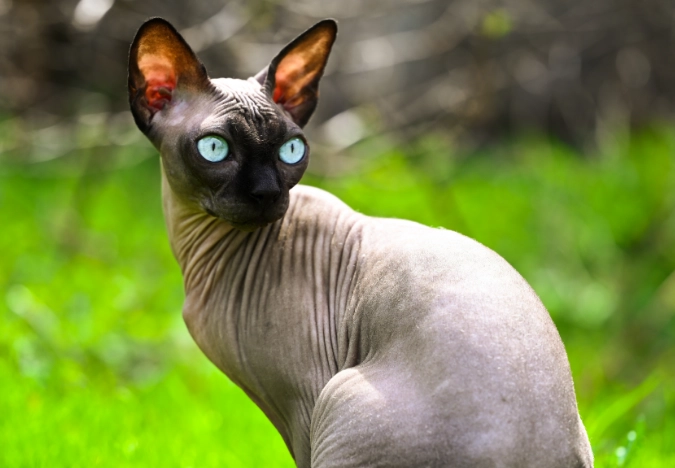
Hypertrophic Cardiomyopathy (HCM): This is the big one for the breed. The presence or absence of fur has no bearing on heart health. Any reputable breeder will provide proof of annual echocardiogram screenings for the parents, regardless of their coat type. Never skip this due diligence.
Skin Conditions: They can still get feline acne (often on the chin) or yeast infections. The fur might mask the early signs, so be vigilant. Regular tactile checks are your best tool.
Temperature Regulation: Here's a non-consensus point: a furry Sphynx is often slightly better at regulating its temperature than a completely bald one. That fine fuzz provides a tiny bit of insulation. They still can't handle extreme cold, but they might shiver a little less. Conversely, they can overheat in summer slightly easier than a bald Sphynx because the fuzz traps a bit of heat. It's a double-edged sword.
Allergies: A common myth is that people allergic to cats are safe with Sphynxes. The primary allergen (Fel d 1) is in saliva and skin oils, not just fur. A Sphynx with fur still produces saliva and oils, so they are not hypoallergenic. The fur might even trap and hold more allergens around the house. Manage expectations.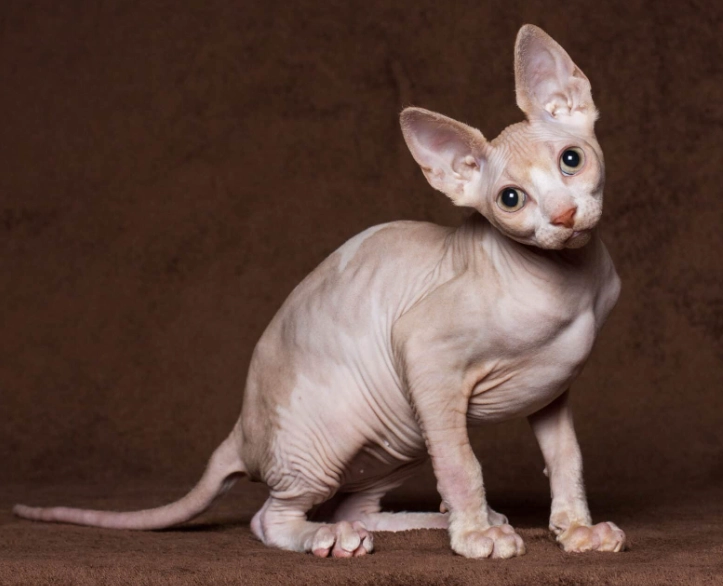
Is a Furry Sphynx Cat the Right Pet for You?
Let's be brutally honest. A Sphynx, furry or not, is a high-maintenance companion. The fur doesn't eliminate the need for routine; it modifies it.
Choose a furry Sphynx if:
- You love the Sphynx personality (affectionate, dog-like, energetic) but prefer the feel of a soft coat.
- You are prepared for the ongoing grooming and skin care regimen, even if it's less intense than for a bald Sphynx.
- You understand the potential health screening needs and associated costs.
Think twice if:
- You're seeking a truly hypoallergenic pet.
- You want a low-maintenance, "independent" cat.
- The idea of regular bathing or vet bills for cardiac screenings is a deal-breaker.
Finding one requires connecting with ethical Sphynx breeders who are transparent about their lines. Ask them directly: "Do any of your cats tend to produce more fuzz, or have you had any long-haired variants?" A good breeder will know and discuss it openly.