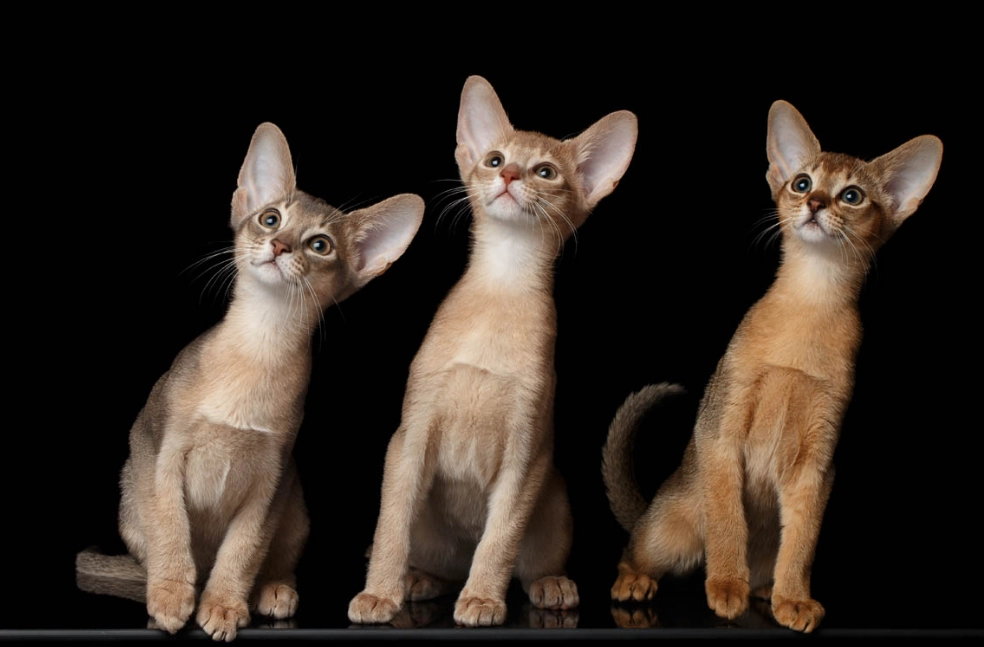
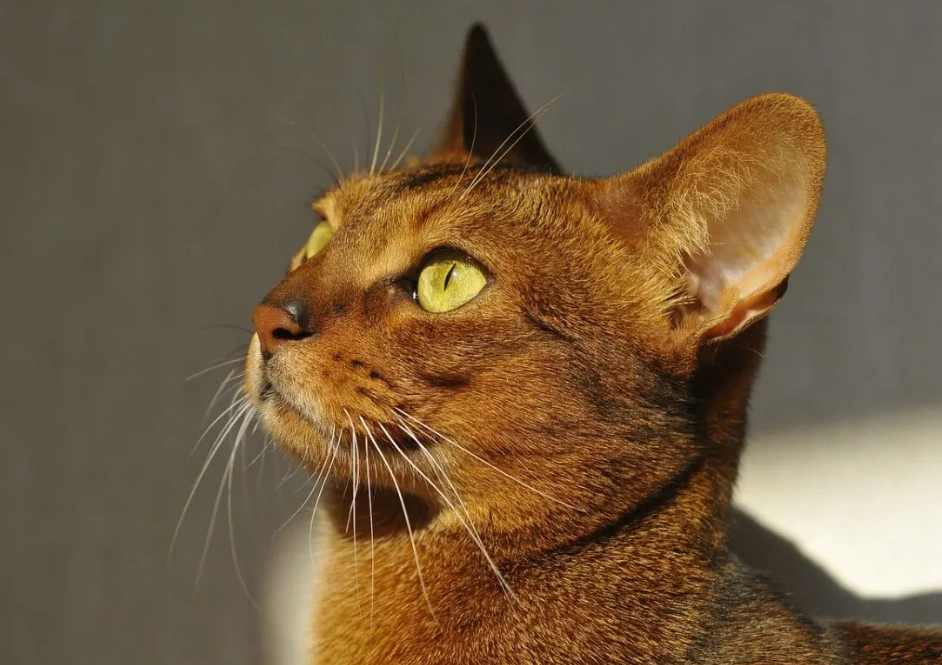
If you've searched for "Abyssinian cat orange tabby," you're likely picturing a vibrant, warm-toned feline with striking patterns. Let's clear this up immediately: a standard, pedigreed Abyssinian cat is not an "orange tabby" in the classic sense you see on domestic shorthairs. The rich, sun-kissed hue you're thinking of is almost certainly the Ruddy Abyssinian, the original and most iconic color for this ancient breed. Their coat isn't a solid orange or a bold-striped tabby; it's a masterpiece of agouti ticking, where each hair shaft has alternating bands of light and dark color, creating a shimmering, wild appearance. This guide will dive deep into the genetics behind that stunning coat, what caring for an Aby truly entails (spoiler: it's not for couch potatoes), and why they might just be the most engaging roommate you'll ever have.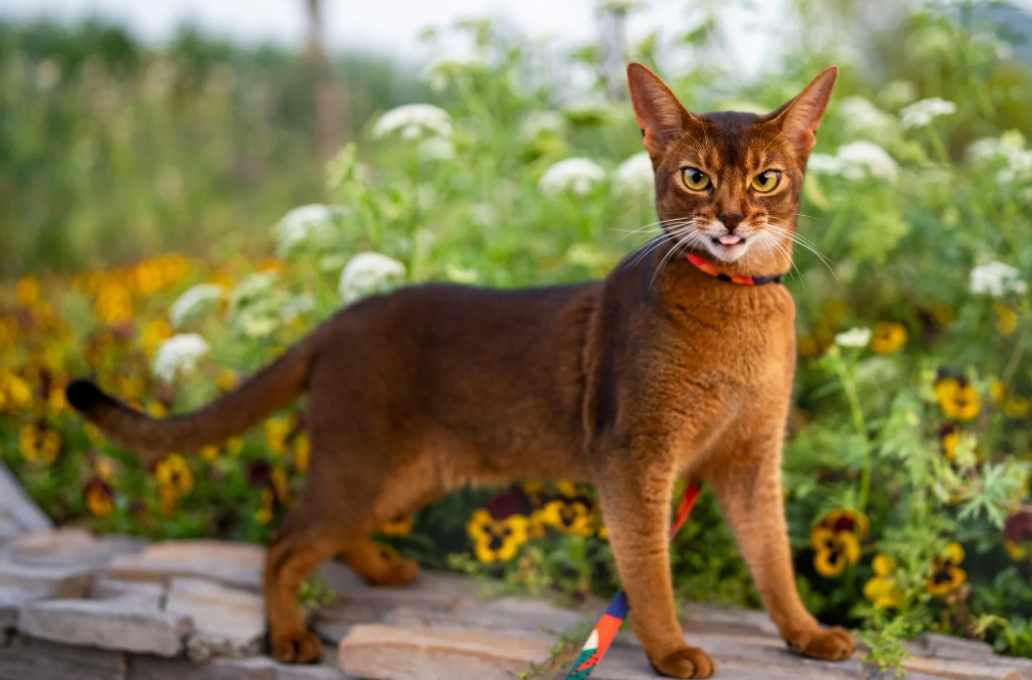
What You'll Discover Inside
The Ruddy Coat: Not Your Average Orange Tabby
This is where most of the confusion lies. The Cat Fanciers' Association (CFA) recognizes four primary Abyssinian colors: Ruddy, Red (sometimes called Sorrel), Blue, and Fawn. The "orange tabby" look is a layman's description of the Ruddy variety.
Here’s the breakdown of what makes it unique versus a typical orange tabby domestic cat:
| Feature | Ruddy Abyssinian Cat | Classic Orange Tabby Cat |
|---|---|---|
| Coat Pattern | Agouti Ticking: Each hair has 4-6 bands of color, light at the base, dark at the tip. No stripes, spots, or bullseyes. | Tabby Patterns: Distinct stripes (mackerel), swirls (classic), or spots. Pattern is clearly visible against a background color. |
| Primary Color | Burnt sienna/orange-brown base with black or dark brown ticking. The overall effect is a warm, reddish-gold glow. | Solid orange/ginger background color with darker orange or brown stripes. |
| Genetics | Governed by the agouti (A) gene and the ticked tabby (Ta) gene. It's a specific, complex genetic combination. | Governed by the orange (O) gene and various tabby pattern genes (mc, mc, Sp). |
| Undercoat | Warm, deep apricot or orange. Very noticeable when you part the fur. | Usually similar to the topcoat color, not as distinctly different. |
I've seen many potential owners disappointed because they expected bold stripes. An Aby's beauty is subtler and more dynamic—it changes in different lights, and the ticking gives it a textured, almost sparkly quality that photos rarely do justice.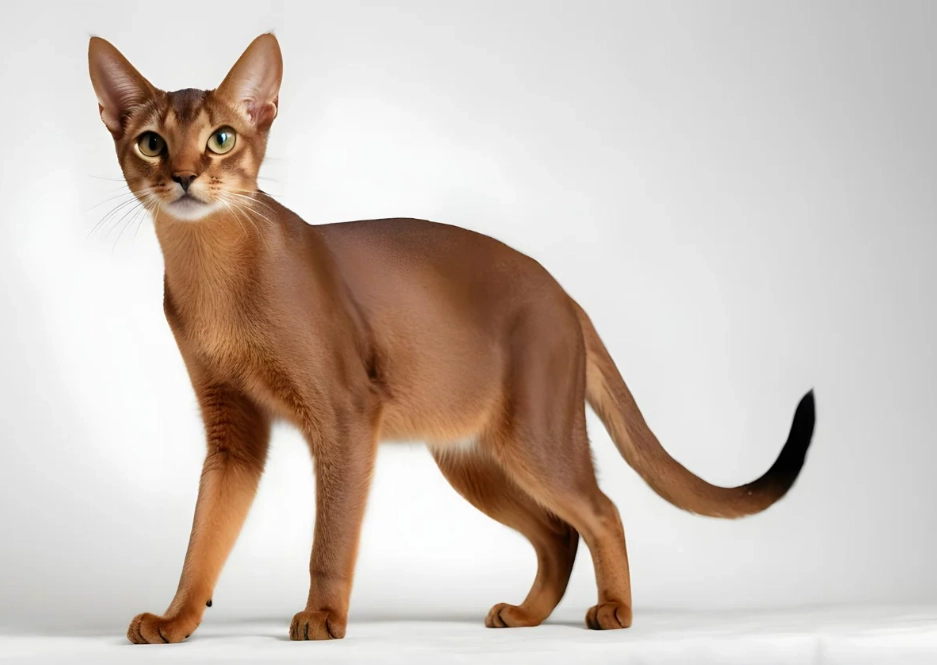
A Quick Mythbuster: You might hear Abys called "hypoallergenic." This is a major oversimplification. No cat is truly hypoallergenic. Abyssinians produce less of the Fel d 1 glycoprotein (the primary allergen) in their saliva than some breeds, and their short, fine fur may spread less of it around. But if you have severe allergies, you will likely still react. Always spend time with a breed before committing.
Living with an Abyssinian: Personality & Daily Reality
Forget the aloof cat stereotype. An Abyssinian is a participant in your life. They are often described as dog-like, but that's not quite right either. They're more like a perpetual, curious toddler with the grace of a panther.
What a Typical Day Looks Like
Your Aby will wake you up. Not necessarily with meows (they tend to have soft, chirpy voices), but by sitting on your chest or patting your face. They want breakfast, and then they want to supervise your morning routine—from the bathroom sink to your closet. Expect them on the highest shelf, in every open drawer.
They need engagement. A bored Abyssinian is a destructive Abyssinian. I made the mistake early on of leaving a puzzle feeder as the only daytime entertainment. I came home to shredded wallpaper. The solution wasn't more toys, but smarter play.
Their play drive is intense. Two 20-minute interactive play sessions (dawn wand toy, evening laser pointer chase) are a non-negotiable minimum. They love fetch, learning tricks (target training works wonders), and puzzle toys that dispense treats.
The Social, Velcro Companion
They don't just want to be near you; they want to be involved. Working from home? They'll claim a corner of your desk. Cooking? They're on the kitchen island (despite your best efforts). Reading? They're inspecting the pages. This constant companionship is their greatest charm and can be their biggest challenge for someone who values personal space.
They also tend to get along well with other pets, especially another active cat or a dog that respects feline boundaries. A solo Aby in an empty house all day is a recipe for anxiety and mischief.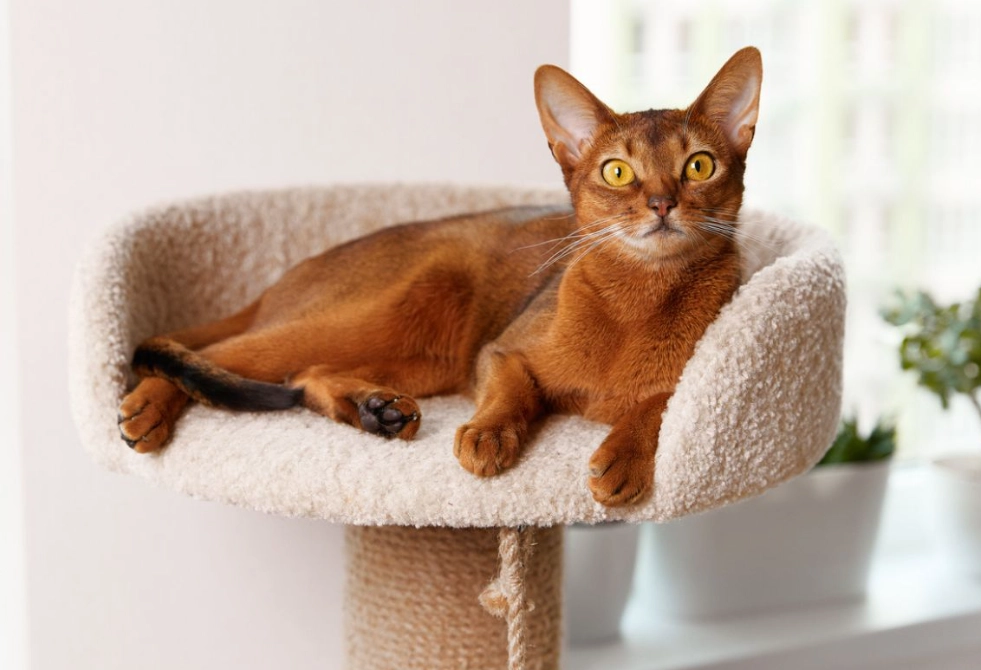
Essential Abyssinian Grooming & Health Guide
That gorgeous, low-shedding coat is surprisingly low-maintenance, but it's not no-maintenance. Their health profile is generally robust, but there are specific genetic conditions to be aware of.
Grooming: The 5-Minute Weekly Ritual
Their fine fur mats easily, especially under the arms and around the ruff. A weekly once-over is critical.
- The Tool: A fine-toothed stainless steel comb or a rubber grooming mitt. Bristle brushes just glide over the top of the ticking.
- The Technique: Go with the lie of the fur, then gently against it to lift dead hair from the dense undercoat. Pay special attention to the "armpits" and belly.
- Bathing: Rarely needed unless they get into something. Their coat tends to stay clean. Over-bathing strips their natural oils.
- Nails & Ears: Clip nails every 2-3 weeks. Check ears weekly for wax; clean gently with a vet-approved solution on a cotton pad, never a Q-tip.
Health Considerations: Proactive Care is Key
Reputable breeders screen for these conditions. Always ask for proof of health testing.
Progressive Retinal Atrophy (PRA): A genetic disorder causing gradual blindness. A DNA test exists, and responsible breeders will not breed carrier cats.
Pyruvate Kinase Deficiency (PKDef): A heritable anemia. Again, testable and avoidable through responsible breeding.
Gingivitis/Periodontal Disease: Abys seem prone to dental issues. Start tooth brushing early with a feline toothpaste. Annual dental check-ups are a must. I neglected this with my first Aby and faced a costly dental cleaning under anesthesia by age 4.
Hyperthyroidism & Renal Issues: As with many older cats, these are risks. Annual blood work from age 7-8 onwards helps catch problems early.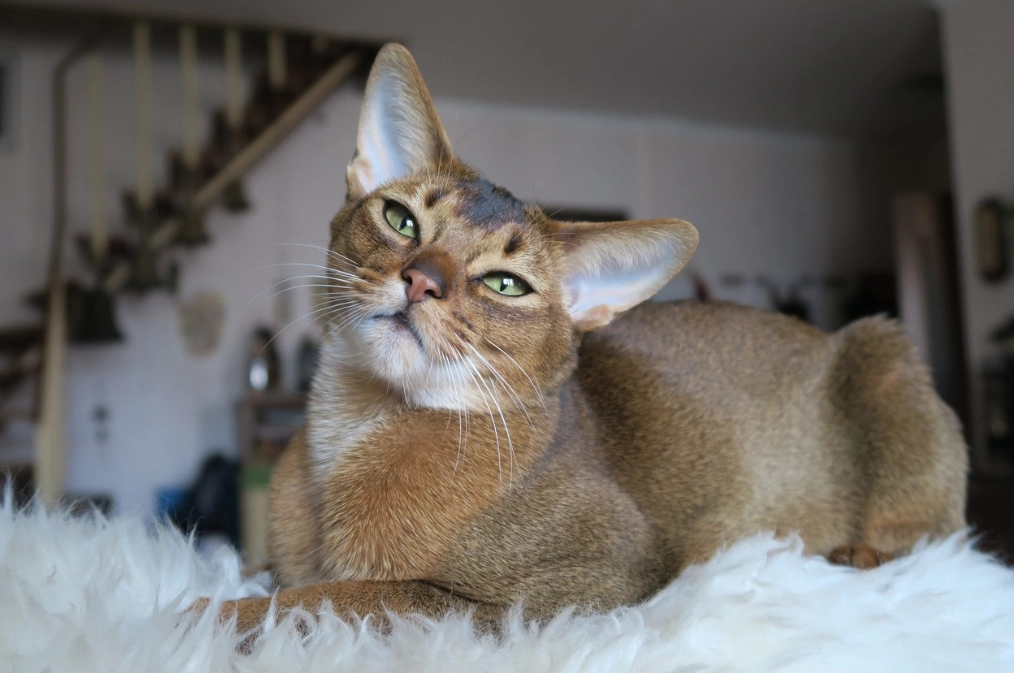
Is an Abyssinian Cat Right for You? Cost & Considerations
Let's talk numbers, because the initial price tag is just the beginning. A pedigreed Abyssinian kitten from a CFA or TICA-registered breeder typically costs between $1,200 to $2,200+. The "orange tabby" ruddy color is the most common and usually standard-priced. Rarer colors like Lilac or Chocolate (if they exist in the breed lines) may be more.
First-Year & Ongoing Cost Snapshot
Startup Costs (Year 1): Kitten ($1,500) + Initial Vet Visits/Shots/Spay-Neuter ($400-$700) + Carrier/Bed/Litter Box/Scratcher/Toys ($300) = ~$2,200 - $2,500.
Annual Recurring Costs: High-Quality Food ($400-$600) + Litter ($200-$300) + Routine Vet Care ($150-$300) + Insurance/Pet Fund ($300-$600) + Toys/Replacement Items ($100) = ~$1,150 - $1,900/year.
This doesn't include unexpected illnesses or emergencies. Pet insurance is highly recommended for this active, curious breed.
The Right Home: An Abyssinian thrives in an active household with people who are home a lot. They are not ideal for someone who travels frequently or desires a decorative, lap-only cat. They need vertical space (cat trees, shelves), mental stimulation, and a family ready for a lifelong interactive relationship.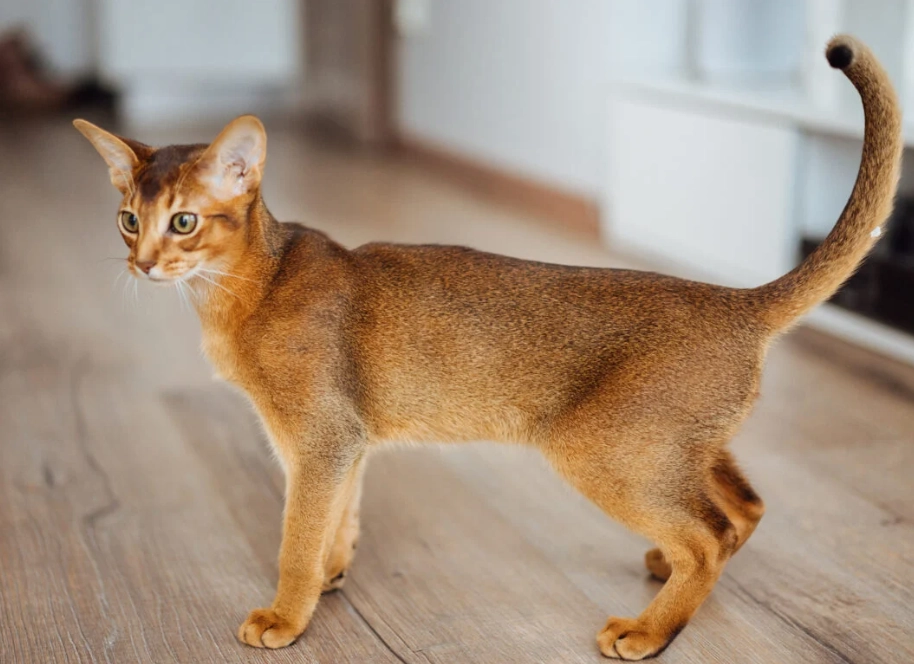
Your Abyssinian Questions, Answered
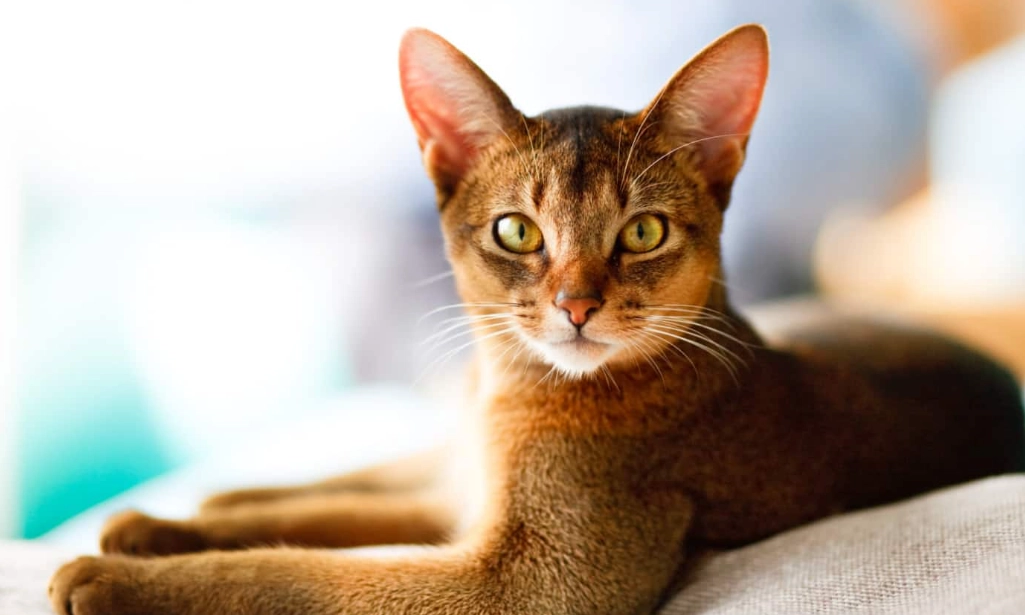 Why does my Ruddy Abyssinian's coat look dull or dark?
 How can I tell a true Ruddy Abyssinian from a mixed breed?