Let's be real. You probably saw a picture. Those stunning blue eyes, that silky fur, the little white socks that look impossibly perfect. It's hard not to be captivated by a Birman cat. I get it. I was in your shoes a few years ago, scrolling through endless photos before finally bringing home my own Birman, Jasper. Let me tell you, the reality is even better than the Instagram posts, but it also comes with questions you might not have thought to ask.
In This Guide
- Where Did the Birman Cat Come From? A Bit of Mystery
- Spotting a Birman: It's All in the Details
- Living With a Birman: Personality is Everything
- The Day-to-Day: Birman Cat Care Guide
- Health and Lifespan: What to Watch For
- Birman Cat vs. The Competition
- Finding Your Birman Kitten or Cat
- Your Birman Cat Questions, Answered
- Final Thoughts: Is a Birman Cat Right for You?
This isn't just another generic breed summary. We're going to dig into everything. The good, the great, and the occasional "hmm, I need to think about that." We'll talk about what it's really like to live with one of these "Sacred Cats of Burma," the daily brushing (yes, it's needed), their surprisingly chatty nature, and the health stuff every potential owner absolutely must know. My goal is to give you the full picture, the kind you'd get from a long chat with a seasoned Birman owner, so you can decide with confidence if this is the right fluffy soulmate for your home.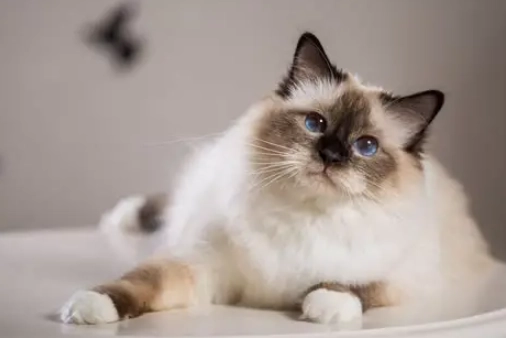
Quick Takeaway: If you want a cat that's equal parts elegant lap-warmer and playful, gentle companion, the Birman is a top contender. They're famously good with families, kids, and even other pets. But that gorgeous coat needs commitment, and they form deep bonds—they're not the aloof type who'll ignore you all day.
Where Did the Birman Cat Come From? A Bit of Mystery
The origin story of the Birman cat is wrapped in legend, which honestly adds to their charm. The tale goes that pure white cats lived in temples in Burma (now Myanmar) as guardians. When a priest was killed during an attack, his loyal cat placed its paws on him, and its fur turned golden, its eyes blue like the goddess's, and its paws—touching the pure priest—stayed white. A lovely story, right?
The historical record picks up in the early 20th century. A pair of Birmans were supposedly shipped from Burma to France. Only the pregnant female survived the journey, and she became the foundation for the breed in the West. You can read a more detailed account of this history on the Cat Fanciers' Association (CFA) website, which is one of the major registries. World War II nearly wiped them out, but dedicated breeders rebuilt the population. So, the modern Birman cat you see today is a testament to both legend and careful preservation.
It's a cool bit of trivia that makes you appreciate the breed's journey.
Spotting a Birman: It's All in the Details
You can't mistake a Birman cat. They have a look that's balanced and elegant, not extreme like some breeds. Think of a medium to large, solidly built cat. They're surprisingly heavy when you pick them up—all muscle under that floof. Males can easily reach 12 pounds or more, with females a bit smaller.
The head is broad with strong jaws and a Roman nose (just a slight bump). But the eyes... those deep, vivid sapphire blue eyes are a signature. They're round and expressive, and they'll look right into you.
The Coat and Colors: More Than Just Pretty Fur
This is where the Birman really shines. It's a single coat, not a double coat like a Persian. That means it's long, silky, and has minimal undercoat. The texture is a huge plus—it's less prone to matting than other longhairs, but it still tangles if neglected. It's not woolly; it flows.
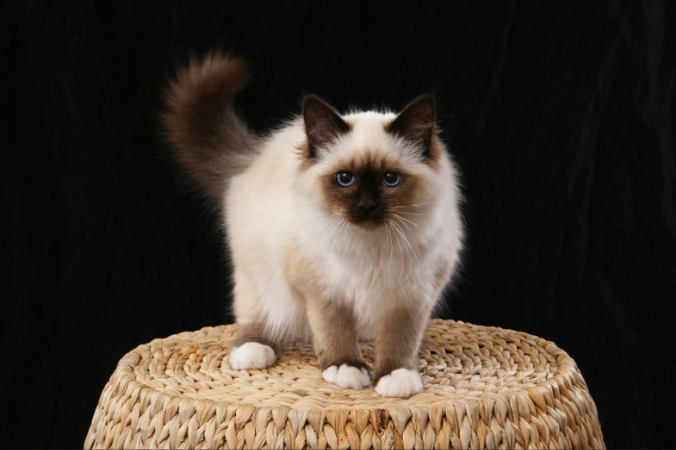
They are colorpoint cats, meaning their faces, ears, legs, and tails (the "points") are a darker color than their cream-colored bodies. The body color develops with age, getting a bit darker as they mature. The accepted point colors include seal, blue, chocolate, lilac, and then various patterns like tabby and tortie within those colors.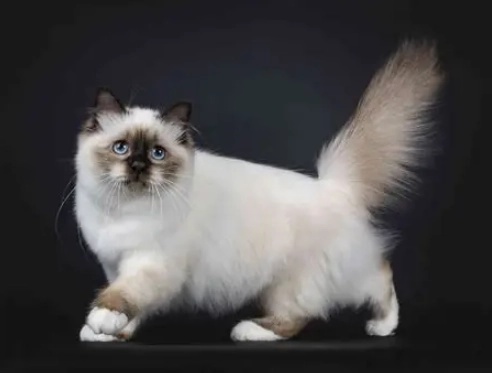
The Famous Gloves: Not Just for Show
The white gloves are the Birman's trademark. And they're very specific. The front paws have neat, symmetrical white gloves that ideally stop at the bend of the foot. The back paws have longer white markings called "laces" that taper up the back of the hock. Faulty markings (too high, too low, uneven) are a big deal in the show ring, but for a pet, they just give your cat character. Jasper has one glove that's a tiny bit higher than the other—I think it makes him look like he's always ready for a fancy handshake.
That iconic look didn't happen by accident. It's the result of generations of careful breeding.
Living With a Birman: Personality is Everything
Okay, looks are one thing. But what's a Birman cat like? This is where they win most people over. They are often described as dog-like in their loyalty. They want to be where you are. Not necessarily on your lap every second (though many are lap cats), but in the same room, following you from the kitchen to the home office.
They are incredibly gentle and quiet-mannered. I've rarely heard Jasper hiss, even at the vet. They tend to use a soft, melodic voice to communicate. He has a specific chirp for "hello," a different meow for "my bowl is empty," and a trill for "pay attention to me right now." They're not silent, but their voices are pleasant.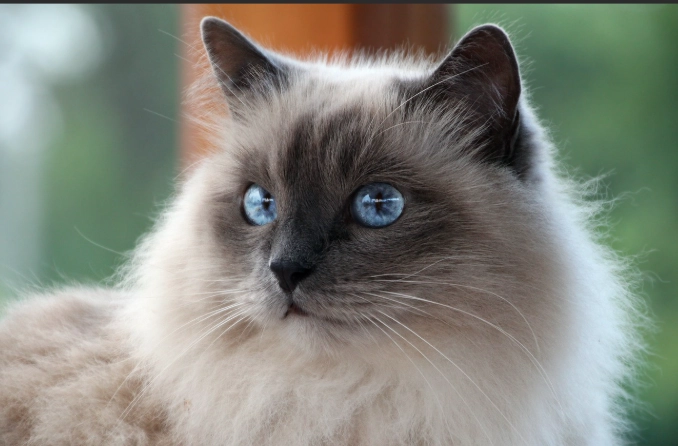
Here's a personal observation that you won't find in every guide: Birmans can be clumsy. Seriously. That elegant creature will leap for a toy, misjudge the distance, and slide right off the couch. It's endearing and hilarious. They're not the most athletic cats, but they try with gusto.
They are brilliant with children and other animals. Their patient, tolerant nature makes them ideal for busy families. They'll play, but they're not destructively hyper. They enjoy a good chase-the-feather session, but they're equally content to nap in a sunbeam for hours. It's a wonderful balance.
But that deep bond has a flip side. Birman cats do not do well being left alone for extremely long hours day after day. They can develop separation anxiety or become depressed. If you work 12-hour shifts and travel every weekend, a pair of Birmans might be better, or perhaps a more independent breed. They thrive on companionship.
The Day-to-Day: Birman Cat Care Guide
Let's get practical. What does caring for a Birman actually involve?
Grooming: It's Not as Bad as You Think
Because of their single coat, Birmans are easier to groom than a Persian. But "easier" doesn't mean "no maintenance." To prevent mats and hairballs, a good routine is key.
- Brushing: Aim for 2-3 times a week with a good quality stainless steel comb and a slicker brush. This removes loose hair and prevents tangles, especially in the armpits and behind the ears. During shedding seasons (spring and fall), you might need to brush daily.
- Bathing: Occasionally. Maybe every few months if they get greasy. Their fur tends to stay quite clean.
- The Rest: Regular nail trims, ear checks, and dental care are just as important as with any cat.
Pro Tip: Start grooming your Birman kitten early. Make it a positive, gentle experience with treats. An adult cat who's used to being handled makes everything—from brushing to vet visits—infinitely easier.
Diet and Nutrition: Fueling a Healthy Birman
Birmans are not known for being picky eaters, which is a relief. They need a high-quality diet appropriate for their life stage (kitten, adult, senior). Whether you choose wet, dry, or a mix is a personal choice, but many vets recommend including wet food for hydration.
The main thing? Watch their weight. They are solid cats, but it's easy for that solidity to tip into obesity if they're free-fed and too sedentary. Measure their portions, use puzzle feeders to make mealtime engaging, and keep them active. A fat cat is an unhealthy cat, prone to diabetes and joint issues.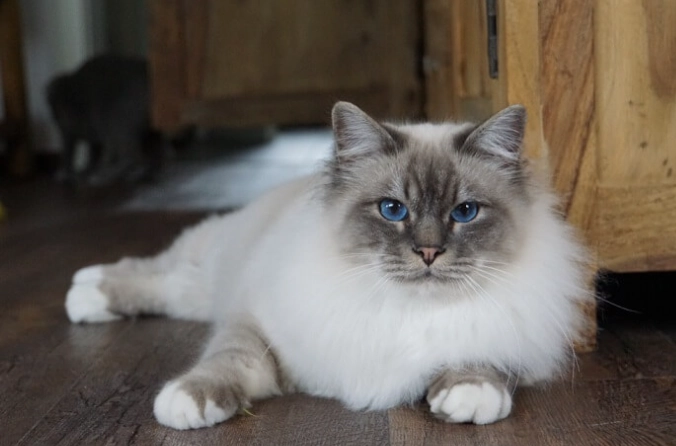
Exercise and Play: Keeping Them engaged
They're not marathon runners, but Birmans enjoy interactive play. Wand toys, laser pointers (always end with a physical toy they can "catch"), and crinkle balls are big hits. They also love cat trees for climbing and perching. A window seat for bird-watching is basically kitty TV. Providing vertical space and mental stimulation prevents boredom, which is key for any indoor cat's well-being.
Health and Lifespan: What to Watch For
This is the most critical section. Reputable breeders work hard to screen for genetic conditions, but no breed is immune. The average Birman cat lifespan is a solid 12 to 16 years, sometimes longer with excellent care.
Here are the main health considerations for a Birman:
- Hypertrophic Cardiomyopathy (HCM): This is the big one. It's a form of heart disease where the heart muscle thickens. It's the most common heart disease in all cats, but some Birman lines have shown a predisposition. A responsible breeder will screen their breeding cats for HCM via regular echocardiograms by a veterinary cardiologist. Ask to see proof of these clearances for both parents. There's no guarantee, but it drastically reduces the risk.
- Feline Infectious Peritonitis (FIP) Susceptibility: Some studies, like those referenced by Cornell Feline Health Center, suggest certain breeds, including Birmans, might have a genetic susceptibility to developing FIP after exposure to the common feline coronavirus. This is complex and not fully understood, but it's worth being aware of.
- Kidney Issues: Chronic Kidney Disease (CKD) is common in older cats of all breeds. Regular vet check-ups that include bloodwork are the best defense for early detection.
- Eye Issues: While their blue eyes are stunning, they are not linked to deafness (like in some white cats). However, keep an eye out for any signs of irritation or discharge.
Critical Advice: Never buy a Birman kitten from a pet store, a backyard breeder, or a website that doesn't let you visit, meet the parents, and ask detailed health questions. The upfront cost from a reputable breeder is higher, but you're paying for decades of health testing and ethical breeding practices. It's the single most important decision you'll make for your cat's future health.
Pet insurance is something I personally swear by. A diagnosis of HCM or any major illness can run into thousands of dollars. Insurance gives you peace of mind to say "yes" to the best treatment without financial panic.
Birman Cat vs. The Competition
People often confuse Birmans with Ragdolls or Himalayans. Here’s a quick, honest breakdown.
| Trait | Birman Cat | Ragdoll Cat | Himalayan/Persian |
|---|---|---|---|
| Coat | Long, silky, single-layer. Minimal matting. | Long, plush, semi-longhaired. Moderate undercoat. | Very long, thick, double coat. High matting. |
| Grooming Need | Moderate (2-3 times/week). | Moderate to High (regular brushing essential). | Very High (daily brushing required). |
| Body Type | Medium-large, substantial, muscular. | Large to very large, heavy-boned. | Cobby, stocky, round. |
| Personality | Gentle, loyal, playful, follows you. | Extremely docile, floppy, laid-back. | Sweet, calm, quiet, often placid. |
| Activity Level | Moderate. Playful but not hyper. | Low to Moderate. True couch potatoes. | Low. Prefers lounging. |
| White Markings | White gloves and laces only. | Can have various white patterns (mitted, bicolor). | Colorpoint with no specific white markings. |
My take? Ragdolls are more prone to going completely limp when held (hence the name). Birmans are affectionate but may not be as "floppy." Persians/Himalayans have flat faces that can lead to breathing and eye problems, which Birmans don't have. For me, the Birman's balance of activity, manageable coat, and loving personality was the perfect middle ground.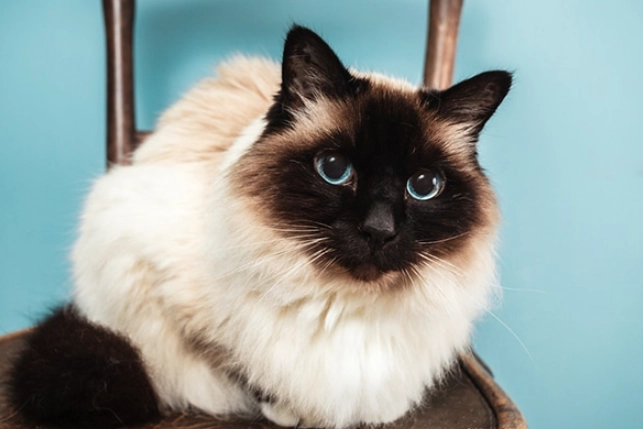
Finding Your Birman Kitten or Cat
Patience is key. Good breeders often have waiting lists because they don't overbreed their cats. Start with the major cat registry websites. The Cat Fanciers' Association (CFA) and The International Cat Association (TICA) have breeder directories. Look for breeders who:
- Raise kittens in their home, not in cages.
- Ask you as many questions as you ask them.
- Provide health guarantees and documentation of genetic testing (especially for HCM).
- Let you visit to see the kittens and mother cat.
- Keep kittens until they are at least 12-16 weeks old for proper socialization.
Don't forget rescue! Breed-specific rescues sometimes have adult Birmans or Birman mixes needing homes. An adult cat's personality is already known, which can be a great fit. Check organizations like Petfinder and search by breed.
Your Birman Cat Questions, Answered
No cat is truly hypoallergenic. Allergies are usually triggered by a protein (Fel d 1) in cat saliva and skin oils, not just the hair itself. Because Birmans have a single coat and less undercoat, they may shed less dander and hair than some breeds, which could make them slightly better for some allergy sufferers. But it's not a guarantee. If you have severe allergies, spend time with a Birman before committing.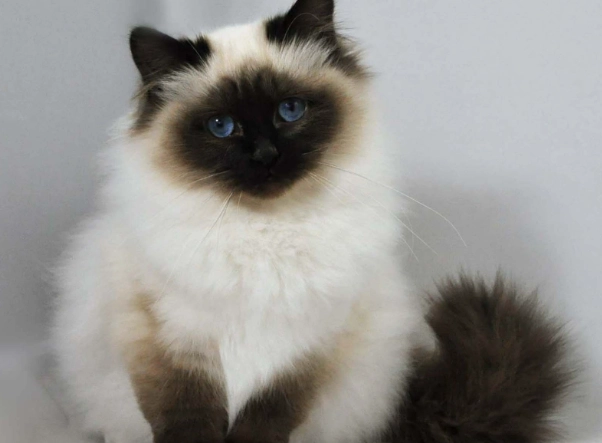
They shed, especially seasonally. It's not as intense as a double-coated cat, but you will find silky hairs on your clothes and furniture. Regular brushing is the number one tool to control shedding and keep it off your stuff.
Almost never. Aggression is completely contrary to the breed standard and typical temperament. They are known for their gentle, patient, and tolerant nature. Any aggression would be highly unusual and likely linked to fear, pain, or a lack of proper socialization.
For a normal workday (8-9 hours), an adult Birman will likely be fine with toys and a comfy spot. But longer than that regularly, or leaving a kitten alone for long periods, is not ideal. They are social creatures. Consider a pet camera, a puzzle feeder, or better yet, a second cat for company if you're often gone.
This varies by individual. Some are fascinated by dripping taps and might even play in a shallow bath. Others avoid it. Jasper is in the "avoids it" camp, but he tolerates his occasional bath without too much fuss.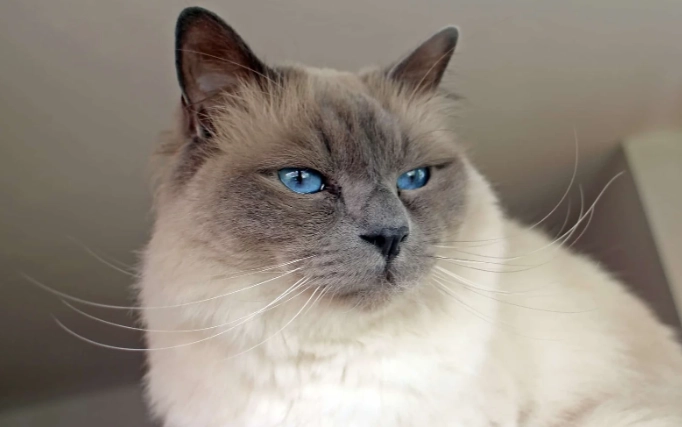
Final Thoughts: Is a Birman Cat Right for You?
So, after all this, who is the ideal Birman owner?
You'll be a great match if you want a devoted, gentle companion who blends seamlessly into family life. If you don't mind a shadow who follows you from room to room, and you're willing to commit to regular grooming and proactive veterinary care. If you value a quiet, sweet-natured presence over a hyperactive, mischievous one.
You might want to reconsider if you're rarely home, if you desire a completely low-maintenance (no-brush) cat, or if you're looking for an aloof, independent pet. The Birman cat's need for connection is real.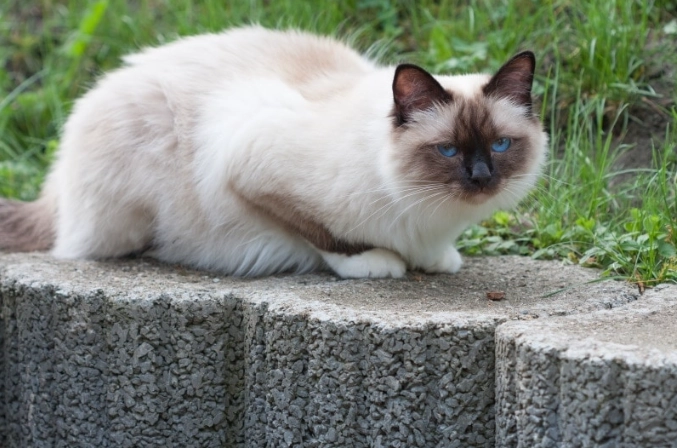
Bringing Jasper home was one of the best decisions I've made. He's more than a pet; he's a calm, loving part of the household. He greets me at the door, makes guests feel loved, and his quiet purr is the best stress reliever. But he also reminds me when it's dinner time, without fail, and leaves tufts of silky hair on my dark sweaters.
It's a package deal. And for the right person, it's an absolutely wonderful one.
Do your homework, choose your source wisely, and get ready for a lot of love (and a little bit of lint rolling).