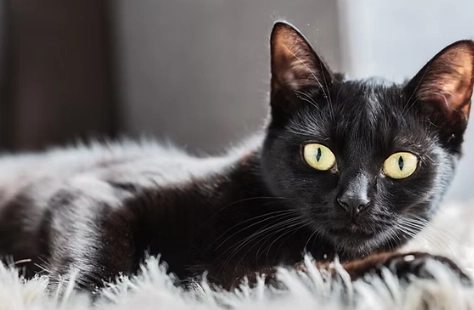
You see a sleek, panther-like cat with mesmerizing copper eyes. You think "mysterious" or "aloof." That's the first mistake nearly everyone makes about the Bombay cat. I've been breeding and living with Bombays for over a decade, and let me tell you, their personality is the polar opposite of their dramatic appearance. Forget the stereotype of the independent feline. A Bombay doesn't just want to be near you; it needs to be physically on you, involved in everything you do, from reading the paper to taking a shower (yes, really).
This isn't just a cat; it's a permanent, purring shadow with an insatiable appetite for human interaction. If you're looking for a low-maintenance pet that does its own thing, stop reading now. But if you dream of a companion so devoted it feels like a dog trapped in a cat's body, you're in the right place. Let's strip away the myths and get real about what living with a Bombay cat personality is actually like.
What's Inside: Your Quick Guide
The Velvet Shadow: Unpacking the Bombay Cat Personality
The Cat Fanciers' Association (CFA) breed standard describes the Bombay as "surprisingly heavy for its size" and "people-oriented." That's an understatement. The weight is all muscle under that satin-black fur, and the people-orientation borders on obsessive. Their temperament is a carefully bred combination of the Burmese's social, chatty nature and the American Shorthair's sturdy calmness.
The Core Traits: What Makes a Bombay, a Bombay
Every Bombay I've known, from show champions to shelter rescues (purebreds do occasionally end up there), shares a non-negotiable set of characteristics.
- Extreme Affection & "Velcro" Behavior: This is the headline. A Bombay won't sit across the room. It will be in your lap, on your keyboard, draped over your shoulder. They follow you from room to room. I call it "supervisory purring."
- Conversational & Chirpy: They have a distinct, soft voice and aren't afraid to use it. It's not a loud yowl, but a polite, persistent commentary on life. They'll chirp at birds, trill in greeting, and have a back-and-forth with you.
- Playful, But Not Hyper-Destructive: They retain kitten-like playfulness well into adulthood. However, unlike some high-energy breeds, their play is often solicited—they bring you the toy. They want to play with you, not just tear your couch apart alone.
- Intelligent & Curious: They figure out door handles, cupboards, and puzzle feeders quickly. This intelligence means they get bored easily without engagement.
- Remarkably Adaptable: With their person as an anchor, Bombays often adjust well to travel, new homes, and even other pets. Their confidence stems from attachment, not territoriality.
Expert Reality Check: A common misconception is that Bombays are "hyper." From my experience, that's usually a misdiagnosis of boredom or attention-seeking. A Bombay left alone for 10 hours with nothing to do will find trouble. It's not malice; it's a socially intelligent animal screaming for interaction. The fix is rarely more space; it's more you.
Living with a Bombay: A Day in the Life
Let's get concrete. What does the Bombay cat personality translate to in daily routines? Here’s a snapshot based on my own household and feedback from dozens of owners.
| Time of Day | Typical Bombay Behavior | Owner Action Required |
|---|---|---|
| Morning (6-8 AM) | Gentle face pats, soft chirps. Not a loud alarm cat, but a persistent "I'm awake and you're my world" presence. | Brief cuddle session before coffee. A quick play session with a wand toy can bank some calm for later. |
| Workday (9-5 PM) | If home alone: Long naps in a sunny spot, likely on something that smells like you (your pillow, a worn shirt). May engage with automated toys or a bird feeder view. | Critical: Provide a "busy box" with hidden treats. Consider a timed feeder for a midday snack. Best solution: Get two Bombays. They entertain each other. |
| Evening (6-10 PM) | Peak Velcro time. Will be in lap during dinner (politely), on the arm of the couch during TV, attempting to help with computer work. Active play period. | Dedicated 15-20 minute interactive play session. This is non-negotiable for their mental health. Follow with a small meal to simulate hunt-eat-groom-sleep cycle. |
| Overnight | Seeks out sleeping human. Will curl into the crook of your knee or behind your legs. Generally sleeps soundly. | Provide access to your bedroom. If you shut them out, expect sad paws under the door and a very needy cat in the morning. |
The biggest adjustment for new owners is the lack of personal space. Your Bombay will consider your bathroom time, work calls, and yoga practice as group activities. It's endearing for the first week, then you need to set gentle boundaries—like a designated "office chair" next to yours instead of directly on the keyboard.
Who Should (and Shouldn't) Get a Bombay Cat
This breed isn't for everyone. Its personality demands specific conditions to thrive.
The Ideal Bombay Home
- Households with Someone Home Often: Retirees, work-from-home professionals, or families with a stay-at-home parent are ideal.
- Families with Gentle Children: Bombays are remarkably tolerant and seek out warm laps, making them great with kids who understand gentle handling. They are not skittish.
- First-Time Cat Owners Who Want a Dog-Like Companion: Their trainability (they often learn fetch) and social nature can be perfect for someone who wants interactive pet ownership.
- Multi-Pet Households (with proper intro): Their confidence allows them to get along with cat-friendly dogs and other cats, especially another Bombay or a similarly social breed like a Burmese.
Reconsider a Bombay If...
- You Travel Frequently or Work Long Hours Away: This is the biggest mismatch. Loneliness can lead to destructive behaviors or depression.
- You Highly Value Pristine Possessions: That velvety fur sheds (it's fine but shows on everything). They will be on all your furniture. It's a package deal.
- You Want a "Decorative" Pet: A Bombay is an active participant in your life, not a background accessory.
- You Are Allergic: No cat is hypoallergenic. Spend time with one before committing.
Busting Common Bombay Cat Myths
Let's clear the air on some persistent fiction.
Myth 1: "All black cats have the Bombay personality." No. The Bombay is a specific, man-made breed. A random black domestic shorthair may be lovely, but it won't have the predictable, bred-for devotion of a true Bombay. Personality is not coat-color coded.
Myth 2: "They are rare and mystical/unlucky." The breed is uncommon but not mythical. The "unlucky" stereotype is pure superstition that responsible breeders and owners actively work against. In many cultures, black cats are considered lucky.
Myth 3: "They require no grooming." While their short coat doesn't mat, a weekly rub-down with a silicone grooming mitt does wonders. It removes loose hair, distributes skin oils for that famous patent-leather shine, and is a bonding activity they adore.
Myth 4: "They are completely healthy." Generally robust, but they can inherit some issues from their Burmese ancestry. Reputable breeders test for Hypertrophic Cardiomyopathy (HCM) and craniofacial defects. Always ask for health clearances. Gum disease (gingivitis) can also be a concern, so dental care is important.