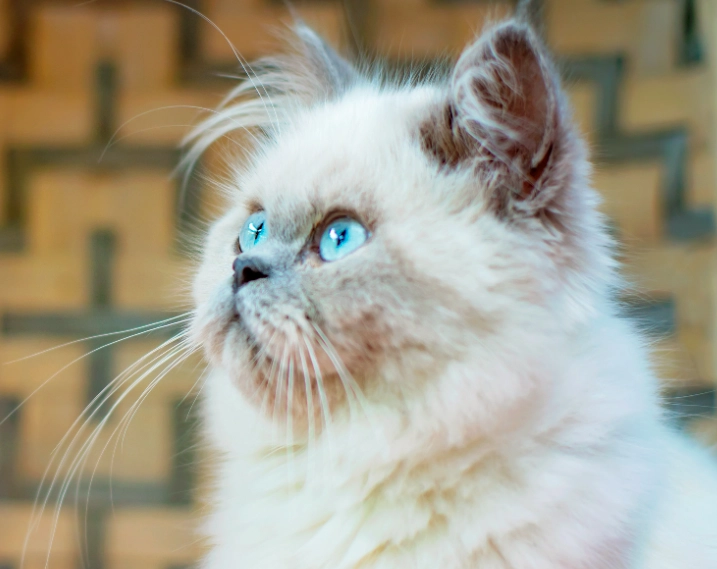
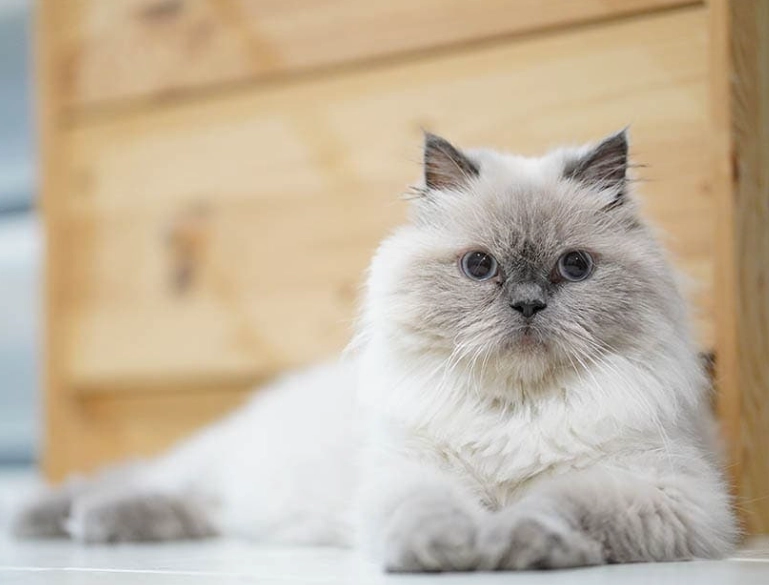
You see the photos online. That stunning, silky coat. Those mesmerizing blue eyes. The perfect white "gloves" on each paw. The Birman cat looks like it stepped out of a fairy tale, and honestly, it kind of did. But before you get lost in those sapphire eyes and decide one of these "Sacred Cats of Burma" must grace your home, let's talk reality. Is the Birman just a pretty face, or is it the affectionate, low-maintenance companion it's often billed as? Having lived with and advised new owners of this breed for years, I can tell you the answer is nuanced. They're incredible cats, but they come with a specific set of needs and quirks that most generic breed overviews gloss over.
This isn't a fluffy list of breed traits. It's a deep dive into what life with a Birman is actually like, from their surprisingly dog-like attachment to the one health screening you absolutely must ask your breeder about.
What You'll Find in This Guide
The Birman Personality: Not Just a Lap Cat
Everyone says Birmans are gentle and affectionate. That's true, but it's an oversimplification. They're not the aloof, independent cats some people expect. Think of them more as a velcro cat with manners. They want to be where you are—perched on the back of your office chair, following you to the kitchen, sitting politely beside you on the couch—but they're rarely demanding or in-your-face about it.
Here's the nuance most miss: their need for companionship borders on canine. A Birman left alone for 10-hour workdays, five days a week, is a recipe for a sad, potentially anxious cat. They thrive on routine and presence. If your household is empty most of the day, seriously consider getting two. They often do beautifully with a feline friend, which alleviates separation stress. I've seen single Birmans develop subtle, stress-related issues like over-grooming simply from loneliness, a problem that vanished when a sibling was introduced.
They're famously good with children and other pets because of their tolerant, patient nature. They lack the skittishness of some breeds. But teach kids to respect the cat—no tail pulling—because even a Birman's patience has limits.
Where the Breed Description Gets It Wrong
Many sites call them "quiet." Mine have been anything but. They don't yowl like Siamese, but they have a soft, conversational chirp they use constantly. It's a sweet sound, but if you dream of a completely silent apartment, reconsider. They'll chirp to greet you, chirp to ask for food, chirp just to comment on a bird outside.
They are moderately playful but not destructive. A few interactive wand toy sessions a day keep them happy. They're not typically climbers of curtains or shredders of sofas. Their intelligence is more social than puzzle-oriented; they learn routines quickly (like meal times) but aren't the type to master complex tricks for treats.
Daily Care Breakdown: Grooming, Diet, and Environment
Let's bust the biggest myth: that long, gorgeous coat. You'd think it's a nightmare. It's not. The Birman's single-layer, silky fur lacks a dense undercoat, which means it mats far less easily than a Persian or Maine Coon. This is a game-changer.
Grooming Reality Check: A thorough brush-down with a good quality slicker brush twice a week is usually sufficient. During spring shedding, bump it up to every other day. The key areas for mats are behind the ears and the "pants" (the longer fur on the hind legs). A 5-minute session prevents problems. Forget daily hour-long grooming marathons.
Their white paws, or "gloves," can get dingy, especially if they use a dusty litter. A quick wipe with a damp cloth now and then keeps them bright. It's cosmetic, not a health issue.
Nutrition and Litter Box Setup
Birmans aren't prone to obesity, but they're not immune. A high-protein, quality wet food diet is ideal. I've noticed some lines can have sensitive stomachs. A sudden food change can lead to upset. Transition new food over 7-10 days.
Because of their long fur, litter choice matters. Avoid clay litter that clumps too hard or sticks to fur. A fine, silica-based litter or a larger, pellet-style litter is better. Keep the box impeccably clean; they're fastidious creatures and may protest a dirty box by going elsewhere.
Birman Health Concerns: Separating Fact from Fear
This is the most critical section. Birmans are generally healthy, but there are two conditions you must be aware of. Reputable breeders test for these; backyard breeders often don't.
| Condition | What It Is | Prevalence in Birmans | Action for Owners |
|---|---|---|---|
| Hypertrophic Cardiomyopathy (HCM) | A thickening of the heart muscle, the most common heart disease in cats. | Higher-than-average risk. A genetic mutation has been identified in some lines. | Ask breeder for proof of annual echocardiogram (heart ultrasound) HCM screening for parent cats. Consider pet insurance early. |
| Feline Infectious Peritonitis (FIP) Susceptibility | A viral disease that can occur after exposure to a common cat coronavirus. | Some studies suggest certain breeds, including Birmans, may have a genetic predisposition. | Minimize stress, avoid overcrowding. Be vigilant for symptoms (lethargy, fever, weight loss) especially in young cats. |
| Kidney Issues | Chronic Kidney Disease (CKD). | Average risk for a purebred cat. Not breed-specific. | Annual vet checks with blood work, especially from age 7+. Encourage water intake with fountains or wet food. |
The HCM point is non-negotiable. A responsible breeder will openly discuss their screening protocols and show you certificates. If they brush off your questions with "my lines are healthy," walk away. No ethical breeder minds an educated buyer.
Average lifespan? With good care and responsible breeding, 12-16 years is common.
Choosing a Birman Kitten: A Responsible Buyer's Checklist
Finding a good breeder is 90% of ensuring a healthy, well-adjusted cat. Avoid pet stores and online marketplaces like Craigslist. Here’s what to do:
1. Find Breeder Referrals: Start with the Cat Fanciers' Association (CFA) or The International Cat Association (TICA) breeder directories. These breeders agree to a code of ethics.
2. The Interview Goes Both Ways: Expect the breeder to grill you about your home, lifestyle, and cat knowledge. This is a good sign. You should ask them:
- "Can I see the HCM screening certificates for both parents from the last year?"
- "At what age do you let kittens go home?" (12-14 weeks is minimum, allowing for proper socialization and vaccinations).
- "Can I visit your home to see the kittens and meet the mother cat?" (Be wary of breeders who only meet in parking lots).
3. Kitten Selection: Don't pick solely based on color. Observe the litter. A good Birman kitten should be curious, playful, and comfortable with human handling—not hiding or hissing. The breeder should have socialized them with various household sounds and touches.
Price? From a reputable breeder, expect $800 to $2,500 depending on region, lineage, and show quality. This initial cost includes early vet care, vaccinations, and often a health guarantee.
Your Birman Questions Answered
So, is the Birman the right cat for you? If you seek a gentle, affectionate shadow that communicates with soft chirps, fits into a calm or family home, and you're prepared for a 15-year commitment that includes proactive health care, then yes. They are more than their stunning looks—they are heartwarming companions. But if your life is unpredictable, you're rarely home, or you want a completely hands-off pet, this sacred cat might not be the earthly companion you need. Do your homework, find that ethical breeder, and you could gain a truly magical member of the family.