If you've ever watched an Abyssinian cat move, you know they're not your average lap cat. They're a bolt of lightning wrapped in ticked fur, a perpetual motion machine with eyes the color of molten amber. I've been around cats my whole life, but living with an Aby (as we owners call them) for the past decade has been a masterclass in feline energy and intelligence. This isn't a breed you just feed and pet. It's a commitment to a tiny, four-legged roommate who expects to be involved in everything you do. Let's cut through the generic breed profiles and talk about what living with an Abyssinian is really like.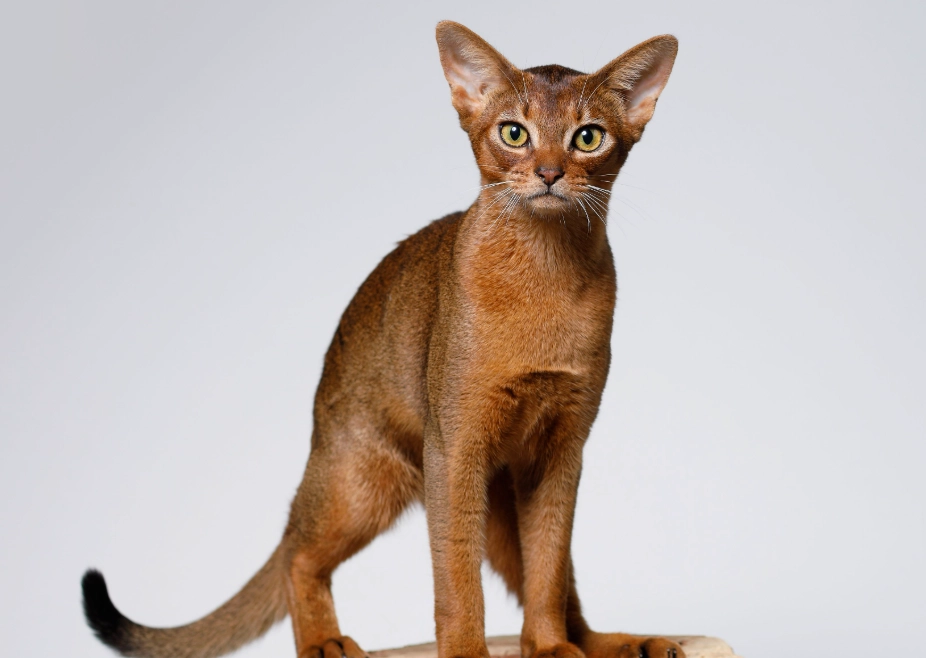
What's Inside This Guide
Abyssinian Cat Personality: Are You Ready for the 'Aby-silly-an'?
Forget aloof and independent. The Abyssinian personality is best described as a cross between a curious toddler and a seasoned acrobat. They form intense bonds with their people, often choosing one favorite human to shadow from room to room. My Aby, Leo, has to supervise every activity—from making coffee to typing this article. He's not on my lap; he's perched on the desk, one paw occasionally batting at the cursor.
The biggest mistake prospective owners make is underestimating their need for mental and physical engagement. A bored Aby isn't just sad; they're inventive. They'll learn to open cabinets, turn on faucets, or systematically knock items off shelves to get your attention. This isn't malice. It's a highly intelligent brain screaming for a job to do.
Exercise Needs: More Than Just a Cat Tree
A standard cat tree is a starting point, not a solution. Think vertical and horizontal. Cat shelves leading to high perches are a must. Interactive play sessions twice a day, using wand toys that mimic prey (think erratic, darting movements), are non-negotiable. Many Abyssinians can be trained to walk on a harness, which can be a fantastic outlet. Puzzle feeders are better than bowls—make them work for their food.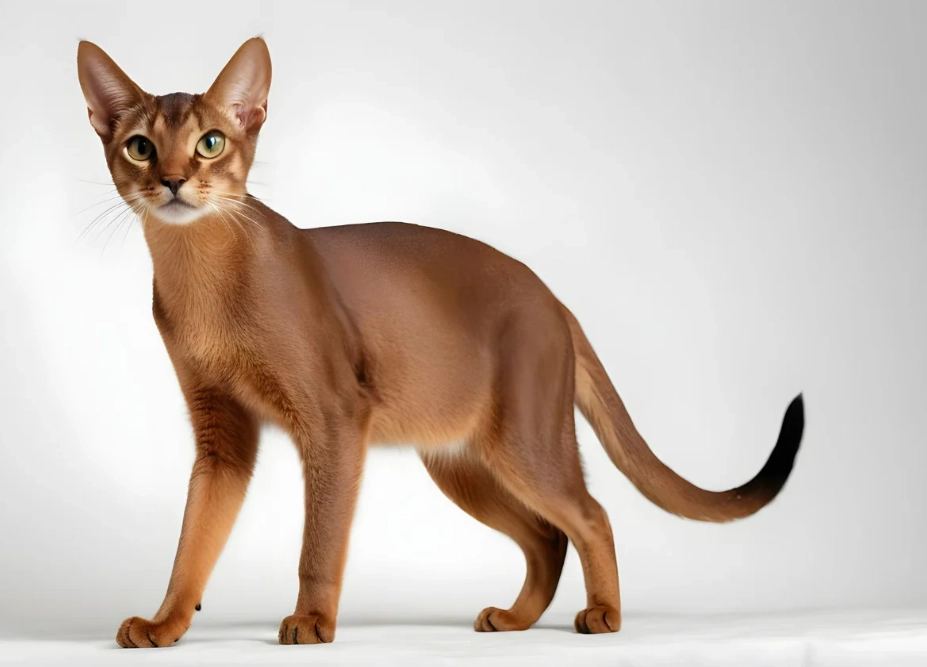
They're famously good with families, including respectful children and other pets. But introduce another pet as a playmate for you, not for the Aby. They enjoy the company, but their primary social drive is still directed at their human. A dog with a low prey drive can be a great companion for chase games.
The Abyssinian Cat Care Routine: Beyond the Basics
Their short, fine coat is deceptively low-maintenance. It doesn't mat, but it sheds. Weekly brushing with a rubber grooming mitt or fine-bristle brush does two things: it removes dead hair and distributes skin oils, enhancing that beautiful, warm sheen. Baths are rarely needed unless they get into something messy.
The real care focus is on their environment and diet.
Diet and Nutrition: Fueling the Engine
An active breed needs high-quality fuel. Look for a diet rich in animal-based protein. Many Aby owners and breeders I've spoken with report that some individuals can be prone to sensitive stomachs or food allergies. A limited-ingredient diet or one with novel proteins (like duck or rabbit) can sometimes help. Always ensure fresh water is available; some Abyssinians love drinking from cat fountains.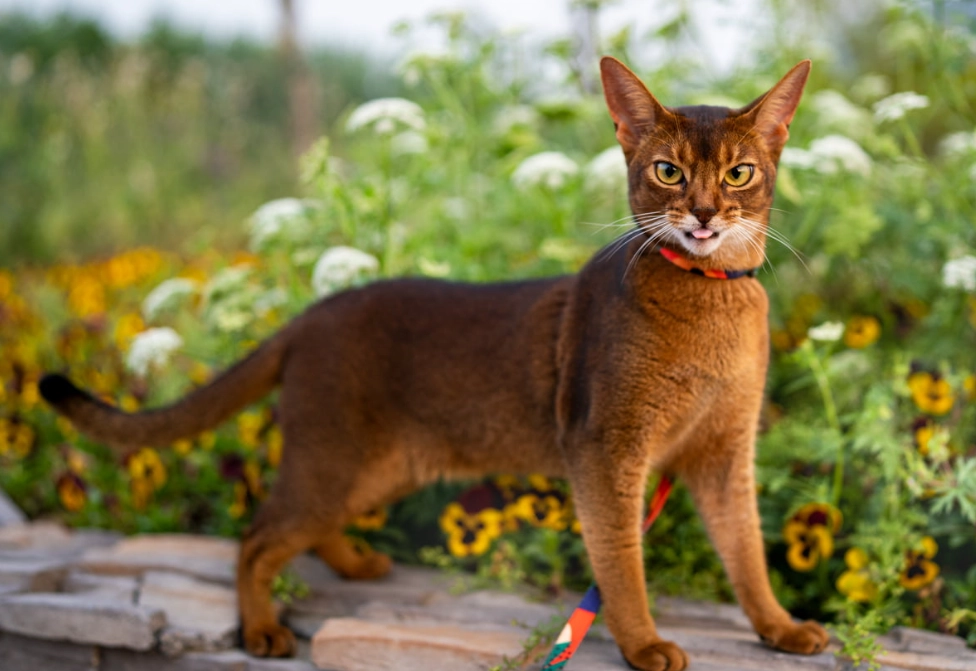
Environmental Enrichment: The Aby-Proofed Home
Catification is essential. Secure bookshelves, provide window perches with a view (a bird feeder outside is premium TV), and hide treats around the house for foraging. Leave paper bags or cardboard boxes out for exploration. One of Leo's favorite pastimes is "helping" me unload groceries by inspecting every bag.
| Care Aspect | Basic Need | Aby-Specific Upgrade |
|---|---|---|
| Grooming | Weekly brush | Rubber mitt + occasional wipe with chamois cloth for shine |
| Play | 15 min/day | 2x 20-min interactive sessions + self-play puzzles |
| Vertical Space | One cat tree | Multi-level wall shelves & climbable catwalks |
| Mental Stimulation | Food bowl | Puzzle feeders, treat-dispensing balls, training sessions |
Abyssinian Cat Health Issues: What to Watch For
Reputable breeders screen for genetic conditions. Knowing these risks helps you be a vigilant owner. The Cat Fanciers' Association and other breed clubs emphasize the importance of health testing.
Progressive Retinal Atrophy (PRA): This is a big one. It's a genetic disorder causing gradual blindness. A responsible breeder will have tested breeding stock for the specific gene mutation (rdAc) known to cause PRA in Abyssinians. Always ask for proof. The Orthopedic Foundation for Animals (OFA) maintains a database for these results.
Renal Amyloidosis: This is a serious kidney disease where abnormal protein deposits damage the organ. It has a genetic component in Abyssinians. There's no simple genetic test yet, so prevention relies on breeding away from affected lines. Symptoms include increased thirst, weight loss, and poor coat quality. Annual bloodwork at the vet is crucial for early detection.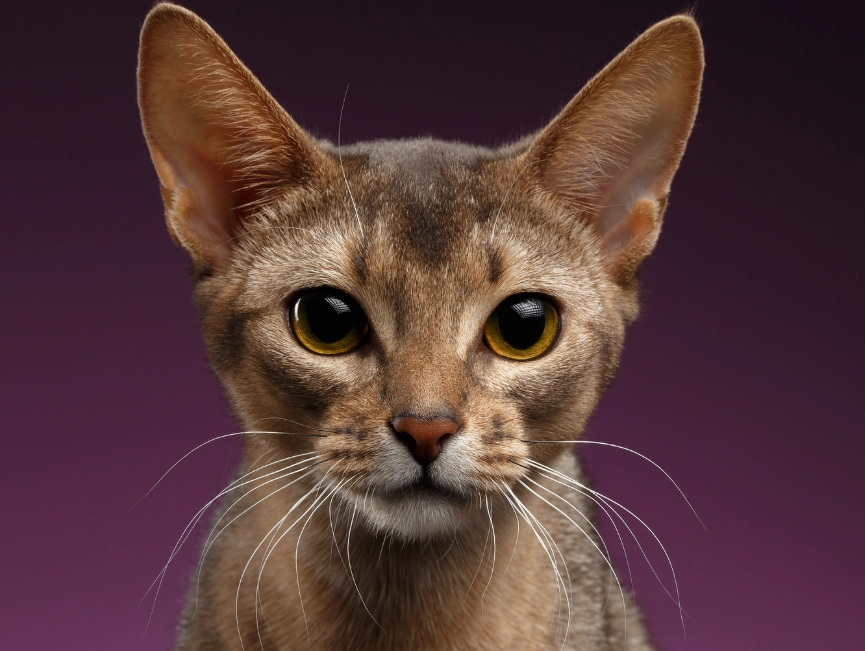
Patellar Luxation: A slipping kneecap. It can range from mild to severe, sometimes requiring surgery. A good breeder will have their breeding cats evaluated by a vet for this.
Gingivitis/Periodontal Disease: This is the user pain point I see most often. Abyssinians seem predisposed to nasty dental issues. It's not just bad breath—it's red, inflamed gums that can lead to tooth loss and systemic infection. I wish someone had warned me more forcefully. Starting a dental care routine early is non-negotiable.
The Dental Care Regimen That Actually Works
Brushing is ideal, but let's be real. If you can't brush daily, alternatives exist. I use a combination: a water additive approved by the Veterinary Oral Health Council (VOHC), dental treats specifically formulated to reduce plaque (look for the VOHC seal), and an annual professional cleaning once my vet recommended it. The difference in Leo's gum health was dramatic within months.
Is an Abyssinian Cat the Right Fit for You?
Let's be brutally honest. An Abyssinian is not the best choice for:
- Someone who wants a decorative, low-interaction pet.
- A person who is away from home for 10+ hours a day regularly.
- Someone seeking a ultra-quiet, sedentary companion.
An Abyssinian is a phenomenal fit if: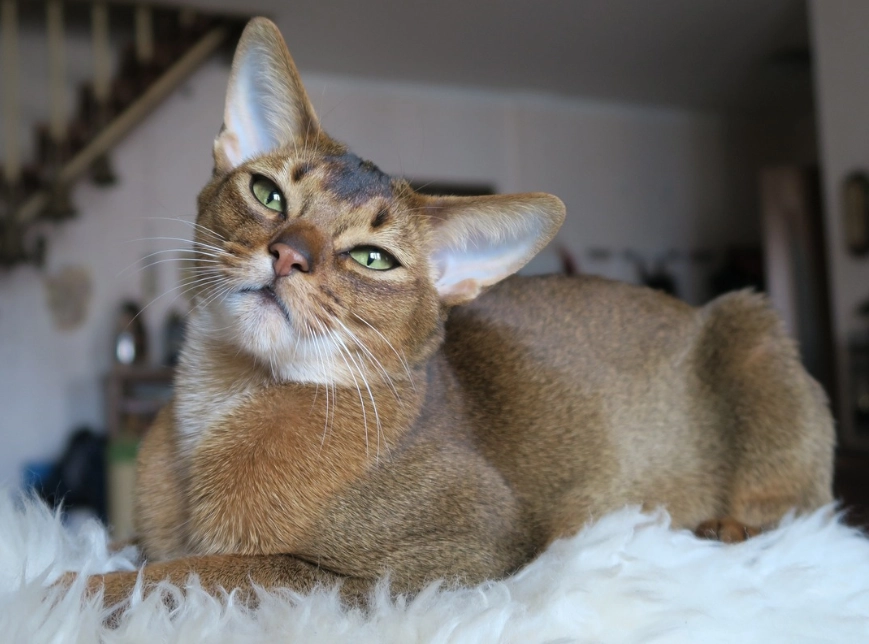
- You want a engaging, dog-like companion in a cat's body.
- You have time and energy for interactive play and environmental enrichment.
- You enjoy a talkative cat (they have a soft, chirping voice and use it).
- You appreciate athletic beauty and a deeply affectionate, loyal nature.
If you get one, please adopt from a reputable breeder who does full health testing, socializes kittens thoroughly, and is a member of a breed club like The International Cat Association (TICA) or CFA. The initial cost is higher, but it's an investment in avoiding heartbreak and supporting ethical breeding. Consider adult rescue Abyssinians through breed-specific rescues as well—they often know exactly what they're getting into!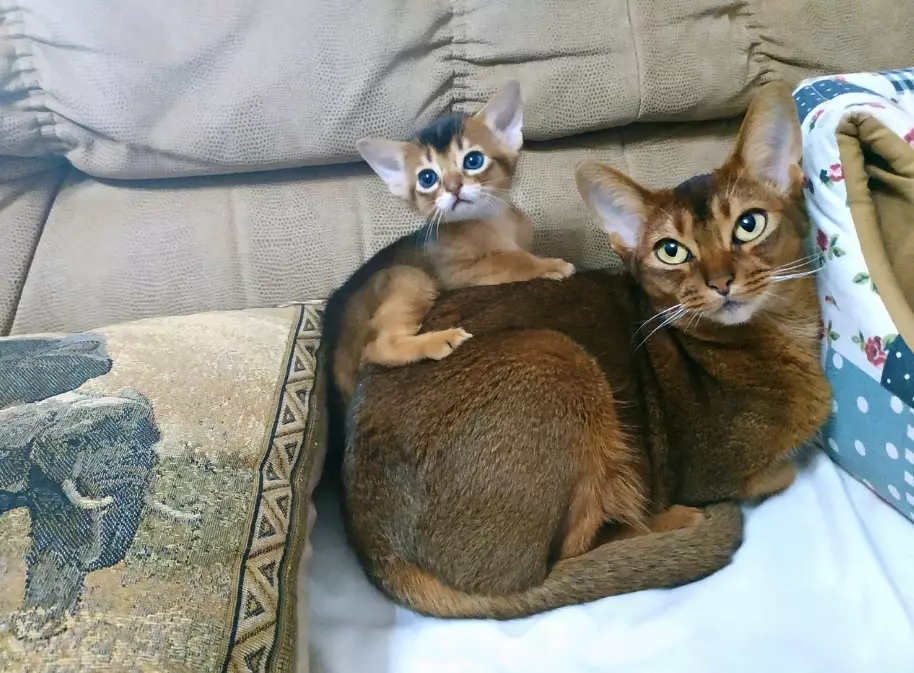
Your Abyssinian Questions, Answered
 Can I leave my Abyssinian alone for a weekend with extra food and water?