Let's get the most important thing out of the way first: there is no such thing as a 100% hypoallergenic cat. If someone tries to sell you a cat with that promise, walk away. The protein that triggers allergies, Fel d 1, is produced by all cats. However—and this is the crucial part—some breeds produce significantly less of it, or shed less fur and dander that carries the allergen. For many allergy sufferers, this difference is enough to make cohabitation not just possible, but joyful. This guide cuts through the hype to show you which cats are genuinely easier on your immune system and, more importantly, how to make it work.
Your Quick Guide to Hypoallergenic Cats
Understanding What Actually Causes Cat Allergies
Most people think cat hair is the problem. It's not. The primary villain is a protein called Fel d 1, produced in a cat's salivary and sebaceous (skin oil) glands. When a cat grooms itself, the saliva dries on its fur, and the lightweight, sticky protein becomes airborne. It settles on everything—curtains, bedding, clothes, walls. It's a tenacious little particle.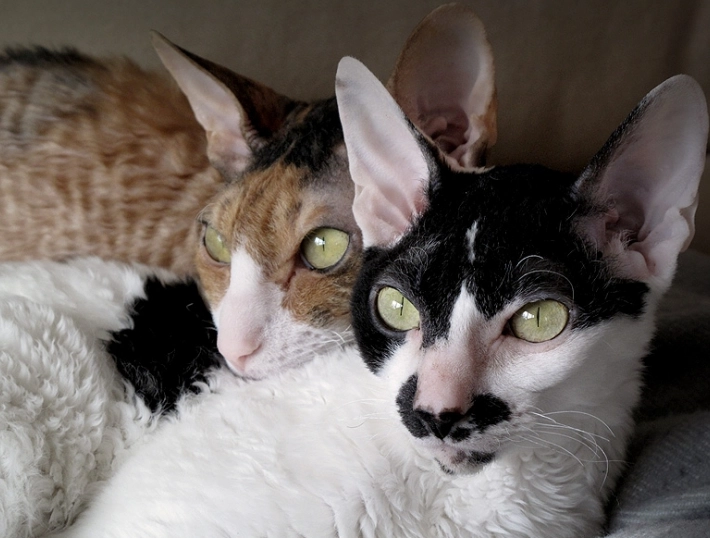
This is why the concept of a "hypoallergenic" cat isn't about zero allergens, but about reducing the total allergen load in your environment. This happens in a few key ways:
Less Shedding: Fewer loose hairs mean less vehicle for the allergen to spread. Breeds with single coats (like the Cornish Rex) or hairless breeds (like the Sphynx) excel here.
Different Coat Texture: Some coats, like the tight curls of a Devon Rex, may trap dander closer to the skin rather than releasing it into the air.
Your personal reaction is unique. One person might tolerate a Siberian but react to a Sphynx. This is why direct exposure is the only true test.
Top Low-Allergen Cat Breeds Compared
Based on decades of breeder experience, owner testimonials, and veterinary consensus, these breeds consistently rank as the best options for allergy-prone homes. Remember, personality is just as important as allergen level.
| Breed | Key Hypoallergenic Trait | Coat & Care | Personality Vibe | Best For... |
|---|---|---|---|---|
| Siberian | Reportedly produces less Fel d 1 protein. Many allergy sufferers report success. | Long, triple-layer coat. Requires regular brushing to prevent mats. | Gentle, dog-like, affectionate, playful. | Families seeking a loving, interactive companion who doesn't trigger allergies. |
| Balinese | Produces less Fel d 1 than other breeds (a genetic cousin to the Siamese). | Single, silky long coat with minimal undercoat. Sheds less than other longhairs. | Vocal, intelligent, social, acrobatic. | Active owners who want a talkative, engaging partner. |
| Sphynx | Hairless, so allergens aren't shed via fur. Requires frequent bathing to remove skin oils. | No fur! Skin feels like warm suede. Needs weekly baths and protection from sun/cold. | Extroverted, clownish, heat-seeking, affectionate. | Those committed to high-maintenance skincare (for the cat) and who love unique looks. |
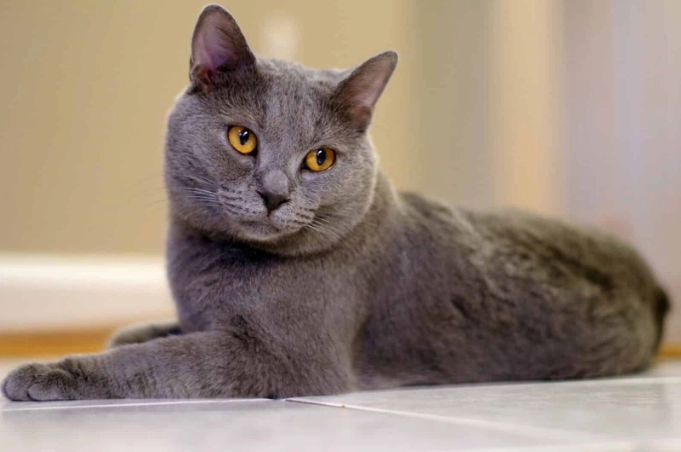
| Russian Blue | Dense double coat traps dander close to skin. Known as a "low-shedder." | Short, plush "blue" coat. Minimal grooming needed. | Reserved with strangers, deeply loyal to family, quiet, observant. | Quiet households wanting a gentle, undemanding, and elegant cat. |
| Cornish Rex & Devon Rex | Very short, fine coat with minimal shedding. Only the undercoat is present. | Soft, wavy/curly coat. Requires occasional bathing as oils can build up on skin. | Energetic, mischievous, playful, highly people-oriented. | Owners who enjoy a playful, almost kitten-like personality in an adult cat. |
Why Breeder Reputation Matters More Than Ever
Here's a tip you won't hear often enough: with hypoallergenic cats, the breeder's integrity is everything. A backyard breeder claiming their "Siberian mixes" are hypoallergenic is a major red flag. Reputable breeders prioritize health, temperament, and honest genetic lines. They will often allow—even encourage—multiple visits to see if you react. Be wary of anyone who doesn't. I've seen people spend thousands on a "hypoallergenic" kitten from a dubious source, only to have severe reactions because the cat's genetics weren't what was promised.
Lifestyle & Environment: Your Secret Weapons
The cat is only half the equation. Your home management is the other, often more critical, half. You can bring home the most hypoallergenic breed and still suffer if your environment is an allergen trap.
Create an Allergy-Safe Zone: This is non-negotiable. Your bedroom should be a cat-free sanctuary. Use a high-efficiency particulate air (HEPA) purifier in there. This gives your immune system 8 hours of rest each night.
Invest in a Robot Vacuum: Seriously. One with a HEPA filter that you can schedule to run daily. It tackles the floors without you stirring up allergens. Follow up with a damp mop for hard surfaces.
Wash Everything, Often: Cat allergens are sticky. Wash your bedding, the cat's bedding, and any removable couch covers in hot water (at least 130°F/54°C) weekly. Allergens break down in heat.
Grooming is a Team Sport: Brush your cat frequently—outside if possible. For hairless breeds or Rexes, regular bathing (every 1-2 weeks) with a gentle, cat-specific shampoo is essential to remove the oily, allergen-laden sebum from their skin. Most cats hate baths, but starting young helps. Wiping your cat down with a damp cloth or pet-safe allergen-reducing wipes can be a good compromise.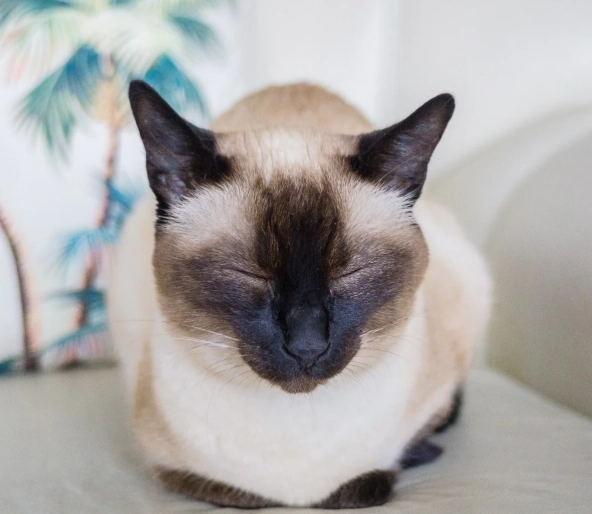
Common Myths and Misconceptions Debunked
Myth 1: Male cats are more allergenic than females. While intact males may produce slightly more Fel d 1, the difference in a neutered pet is minimal. Don't choose a cat based solely on gender for allergy reasons.
Myth 2: Short-haired cats are always better. Not true. A heavy-shedding short-hair can flood your home with more allergens than a long-hair like a Balinese that sheds very little.
Myth 3: Kittens won't trigger allergies. This is a dangerous assumption. Some people don't react to kittens because they produce fewer allergens initially. As the cat matures, the allergen production increases, leading to a nasty surprise months later. Always test with an adult cat of the same breed if possible.
Myth 4: "Hypoallergenic" means "allergy-proof." I can't stress this enough. It means "less likely to cause a reaction." Your mileage will vary.
How to Personally Prepare Before Bringing a Cat Home
Don't just buy a cat on a whim. Have a plan.
1. Visit and Re-Visit: Spend extended time (at least an hour) with an adult of the breed you're considering. Rub your face on the cat, let it sit on your lap. Go back a second time a week later. Allergic reactions can be delayed or cumulative.
2. Consult Your Allergist: Talk about options. They may recommend starting antihistamines or nasal sprays prophylactically. For some, allergy shots (immunotherapy) can be a long-term solution that makes pet ownership possible.
3. Have a Backup Plan: What if it doesn't work? Reputable breeders and most rescues will have a return policy. Know what it is. The heartbreaking scenario is someone developing asthma and having to rehome a pet with nowhere to go.
4. Consider an Adult Cat from a Rescue: Specific breed rescues sometimes have adult cats. This is a golden opportunity. You know the cat's full-grown coat and personality, and you can test your allergies with the exact animal you'd adopt.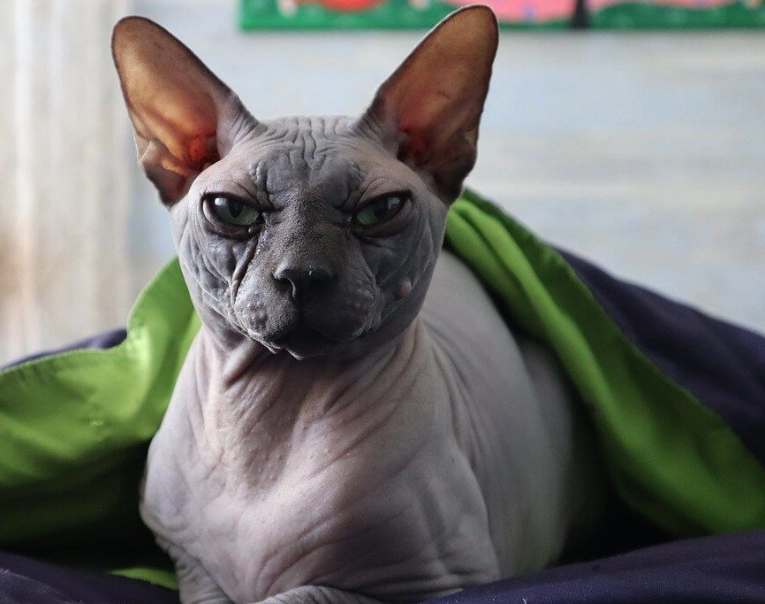
Your Hypoallergenic Cat Questions Answered
Finding the best cat for your allergies is a journey of careful selection and diligent management. It's about pairing a compatible breed with a proactive lifestyle. It requires work, but for countless allergy sufferers, the purring, playful reward is absolutely worth it. Start with a visit, arm yourself with a good vacuum and a plan, and you might just find your perfect feline match.