You see a picture of a Balinese cat. Silky, flowing coat, bright blue eyes, elegant posture. "Long-haired Siamese," they say. Your first thought might be: "Gorgeous, but the grooming must be a nightmare." That "high maintenance" label sticks to them like cat hair on a black sweater. But here's the thing—it's mostly a myth. The real answer to whether Balinese cats are high maintenance isn't a simple yes or no. It's a nuanced "it depends." Their needs are significant, but not necessarily in the way you'd expect. The biggest time commitment isn't brushing their hair; it's engaging their brain.
What You'll Find Inside
The Grooming Myth vs. Reality
Let's tackle the elephant in the room first. That glorious semi-long coat. You'd think it mats easily, sheds tumbleweeds, and needs daily salon sessions. Wrong.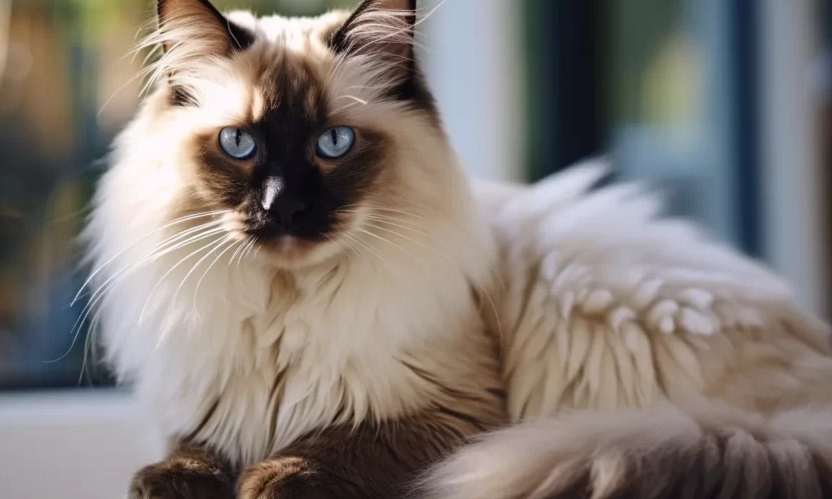
Balinese cats have a single coat. No dense, woolly undercoat like a Persian or Maine Coon. Their hair is fine and silky, lying close to the body. It doesn't mat easily. I've had my Balinese, Leo, for eight years. We have a weekly 10-minute brushing session with a fine-toothed comb or a slicker brush, and that's it. During spring and fall, we might do it twice a week. The hair comes out in the brush, not all over your couch. Compared to the daily battle with an undercoat, this is a breeze.
The most common grooming mistake I see? People over-brush. Aggressive daily brushing with the wrong tool can actually break and damage that fine hair, making it look frizzy. Less is more. A gentle weekly comb-through to remove loose hairs and distribute skin oils is perfect.
Other grooming basics are standard: nail trims every few weeks, ear checks weekly (they're prone to minimal wax build-up), and dental care. Yes, dental care. This is a hidden maintenance point many forget. Balinese, like many purebreds, can be susceptible to dental issues. Getting them used to tooth brushing early is a game-changer. If you can't brush, dental treats and water additives are a must, but talk to your vet.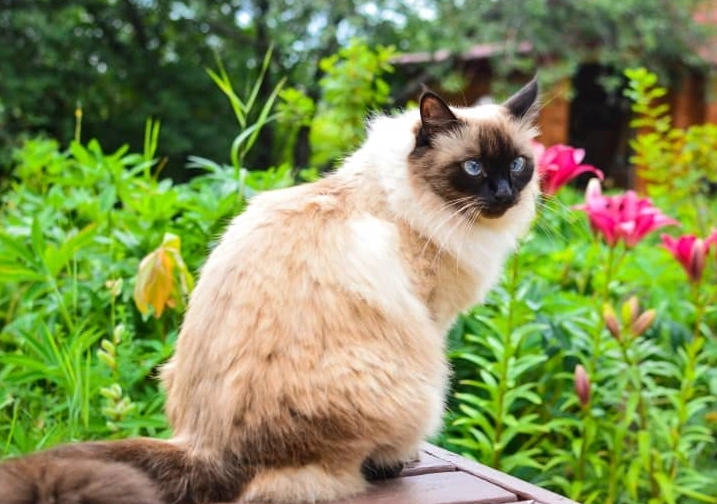
| Grooming Task | Frequency | Time Commitment | Key Point |
|---|---|---|---|
| Brushing/Combing | Once a week (2x during shedding seasons) | 10-15 minutes | Prevents tangles, reduces loose hair around the house. |
| Nail Trimming | Every 2-3 weeks | 5 minutes | Use cat-specific clippers, avoid the quick. |
| Ear Cleaning | Weekly check, clean as needed | 2-3 minutes | Use a vet-recommended solution on a cotton pad, never Q-tips. |
| Dental Care | Ideally daily brushing, or use alternatives | 2-5 minutes | Critical for long-term health, often overlooked. |
Health Vigilance: What to Watch For
This is where the "maintenance" scales can tip. Balinese are generally healthy, but they inherited some genetic predispositions from their Siamese ancestors. Being proactive is key. It's not about constant nursing, but about informed, preventative care.
Progressive Retinal Atrophy (PRA) and Amyloidosis are two conditions reputable breeders screen for. Always ask for proof of genetic testing from the parents. A good breeder will be transparent. This upfront research saves immense emotional and financial cost later.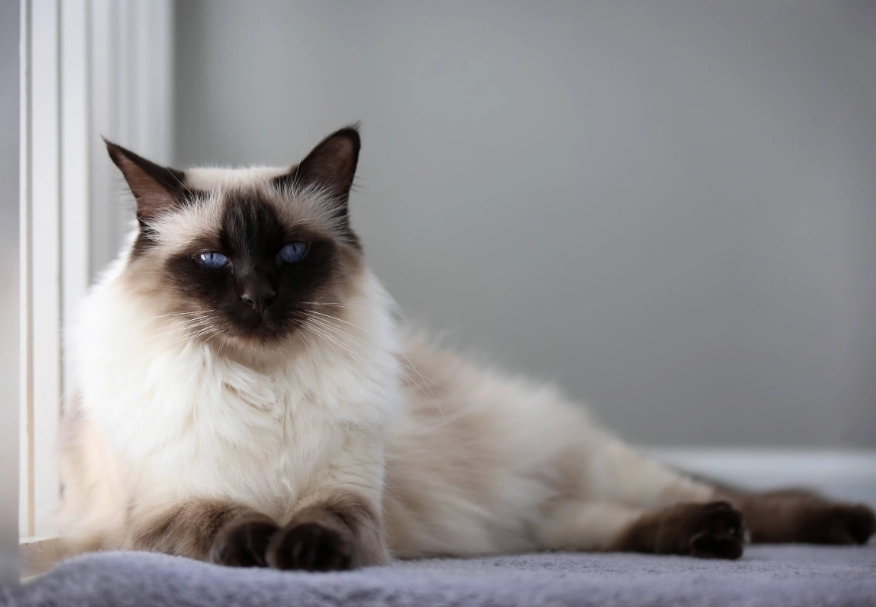
They are also prone to crossed eyes (strabismus) and nystagmus (wobbly eyes), classic Siamese traits. These are usually cosmetic and don't affect vision much, but it's something to be aware of.
The biggest, most common health-related maintenance is their vocal nature. That loud, persistent meow isn't just for fun. It's communication. A sudden increase in vocalization can be the first sign of pain, discomfort, hyperthyroidism, or just boredom. You have to learn to listen. It's not like having a quiet cat where you might miss subtle cues. A Balinese will tell you—loudly—if something is wrong.
Annual Vet Visits Are Non-Negotiable
Twice-yearly check-ups for seniors (cats over 10). Budget for it. Have a relationship with a vet who understands the breed. This preventative maintenance is far cheaper than emergency care.
The Non-Negotiable Social & Mental Needs
Here lies the true core of Balinese "maintenance." If you think grooming is high, wait until you experience their social demands. They are not independent. Calling them Velcro cats is an understatement. They are intelligent, emotional, and deeply bonded.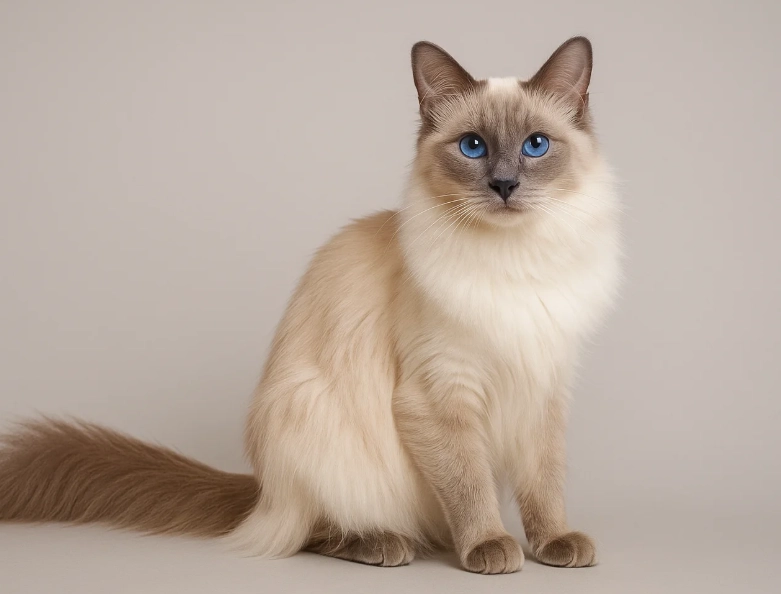
Leaving a Balinese alone for 10 hours a day, five days a week, is a recipe for disaster. Separation anxiety, depression, destructive behavior, and excessive, mournful vocalization. I've seen it happen. A friend adopted one, thinking her calm apartment was perfect. The cat started pulling its own hair out from stress within a month.
They need interactive play, daily. Not just tossing a mouse. Think puzzle feeders, leash training for outdoor exploration, clicker training sessions (they learn tricks incredibly fast), and dedicated 20-30 minute play sessions with wand toys that mimic prey. This isn't optional entertainment; it's essential for their mental well-being.
Seriously consider getting two if you're out of the house regularly. They often do brilliantly with a feline friend, especially another active, social breed. It halves your guilt and doubles their entertainment. The maintenance of caring for two cats isn't double—it's maybe 1.5x, but the payoff in their happiness is exponential.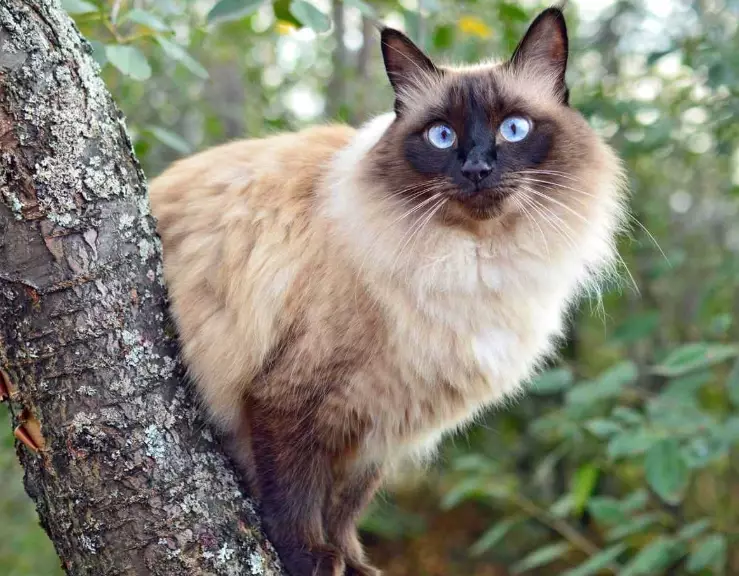
Diet, Litter, and Environmental Setup
These are the practical, daily logistics. Balinese aren't fussier than other cats here, but getting it right smooths everything out.
Diet: High-quality, protein-rich food. Many have sensitive stomachs. Sudden diet changes cause issues. Find a good brand and stick with it. They are active, so monitor weight—obesity is a killer. Use puzzle feeders to slow them down and engage their brains.
Litter Box: Fastidious. A dirty box will be protested. Scoop at least once a day. Provide more than one box in multi-story homes. I use a fine, clumping, unscented litter. Scented ones can offend their sensitive noses.
Environment: This is part of mental maintenance. They love height. Cat trees, wall shelves, window perches—create a vertical playground. Ensure window screens are secure; their curiosity and agility are legendary. Provide scratching posts in multiple materials (sisal, cardboard) near resting areas.
Is a Balinese Cat Right for Your Lifestyle?
Let's run a quick, realistic scenario. Meet Alex, a software developer who works from home three days a week and has a calm social life.
Good fit? Probably yes. Alex is around a lot, can provide interaction, play sessions during breaks, and the cat can be a companion during work hours. The weekly grooming is manageable.
Now, Jamie, a nurse working 12-hour shifts three days a week, who loves weekend hikes and travel.
Good fit? Risky. Those long, quiet days alone are tough. Jamie would need a dedicated cat sitter or, better yet, a second cat. The travel requires reliable pet-sitting. It's not impossible, but the maintenance effort is higher.
The Balinese rewards time investment with unparalleled companionship. They converse with you, follow you, sleep curled into you. If you want a living piece of art that ignores you, get a different cat. If you want an interactive, loving, hilarious family member who demands to be part of everything, the maintenance is worth it.