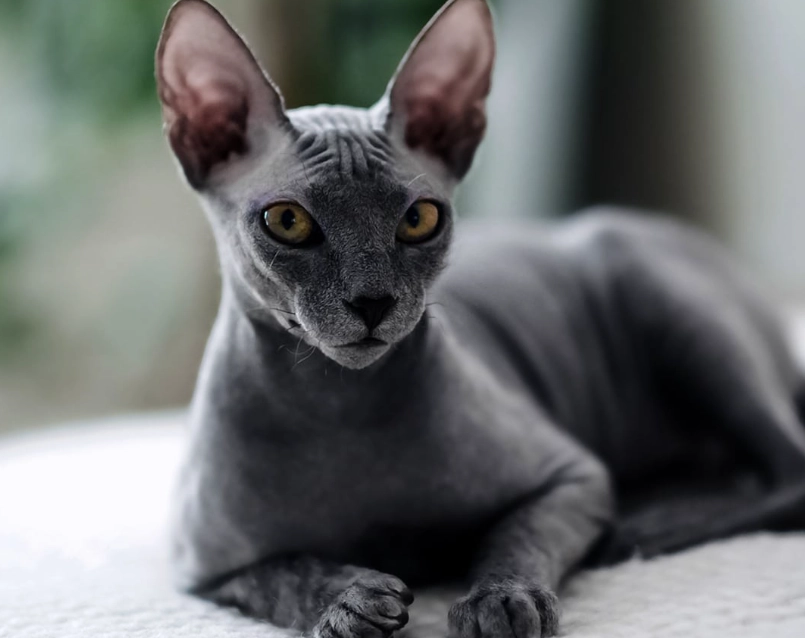
You're thinking about bringing a Sphynx cat home. You've seen the pictures – those inquisitive eyes, those oversized ears, that wrinkled, velvety skin. But then you hear a whisper, a common piece of cat lore: "They're one-person cats." The idea settles in your gut. What if this incredible creature bonds exclusively to your partner, your roommate, or your child, and treats you like a piece of furniture? Let's cut through the noise right now. The short answer is no, Sphynx cats are not inherently one-person cats. They are, by breed standard and widespread anecdote, profoundly social, extroverted, and people-oriented cats. However, like any intelligent animal, they can develop a strong preference for one individual based on environment, routine, and who meets their needs. The label "one-person cat" is less a breed trait and more a relationship outcome you can influence.
What's Inside This Guide?
The Sphynx Personality: More Social Butterfly Than Lone Wolf
Forget the aloof, independent cat stereotype. The Sphynx shatters it. Described by the Cat Fanciers' Association as "astonishingly affectionate," their temperament is a key part of the breed. They didn't get the "hairless" memo to be wallflowers. They crave warmth – physical and emotional. I've had my Sphynx, Pickles, for eight years. The first thing he does when anyone enters the house, friend or delivery person, is trot over for a greeting. It's not loyalty to just me; it's a fundamental curiosity and desire for interaction.
Here's the breakdown of traits that make the "one-person cat" label misleading for Sphynx cats:
- High Energy & Playfulness: They retain kitten-like energy for years. This play drive isn't directed at one person; they'll engage anyone willing to drag a feather wand. A bored Sphynx is a mischievous Sphynx, and they learn quickly who's the most fun.
- Profound Need for Warmth: Without a fur coat, they seek out body heat. They are equal-opportunity cuddlers. The warmest lap, the sunniest spot, the person under the blanket – that's their target. It's thermodynamics, not favoritism.
- Vocal and Communicative: They chatter, trill, and meow to communicate with their entire "colony" (that's you and your family). They'll follow you from room to room, commenting on your activities. This is a group dynamic behavior.
Compare this to breeds more historically prone to singling out a primary person, like some Siamese or Russian Blues, where a intense, sometimes demanding, focus on one individual is more documented. The Sphynx's love is more democratic in its default setting.
A Quick Comparison: Social Drive in Cat Breeds
| Breed | Typical Social Style | Likelihood of "One-Person" Tendency |
|---|---|---|
| Sphynx | Extroverted, gregarious, seeks attention from all. | Low (Develops from environment, not instinct) |
| Maine Coon | Gentle, friendly, often follows family around. | Low to Moderate |
| Siamese | Intensely bonded, vocal, can be demanding. | High (Often forms a very strong primary attachment) |
| British Shorthair | Independent, calm, affectionate but not clingy. | Low |
| Scottish Fold | Sweet, devoted, enjoys companionship. | Moderate |
What Really Creates a "One-Person" Bond? (It's Not Just Love)
Okay, so the breed is social. Why do some Sphynx owners still feel their cat has a "favorite"? This is where we move from genetics to psychology and daily routine. A cat's preference is forged in the mundane details of life. If your Sphynx seems glued to one person, it's usually because that person has unconsciously become the primary source of key resources and experiences.
Let's run a scenario. Meet a hypothetical Sphynx named Gizmo in a household with two people, Alex and Sam.
- Feeding Time: Alex works from home and is always the one who fills Gizmo's bowl at 7 AM and 6 PM sharp. Sam's schedule is erratic. To Gizmo, Alex controls the food, the most basic resource. Major points to Alex.
- Play & Stimulation: Sam comes home tired and scrolls on the couch. Alex initiates two vigorous 15-minute play sessions daily. Gizmo's natural energy gets channeled and satisfied by Alex. Another win for Alex.
- Grooming & Care: The dreaded ear cleaning and bath time. Alex does it gently, efficiently, and follows up with a high-value treat. Sam finds it awkward and avoids it. Gizmo learns to tolerate (and even trust) Alex through this necessary care, while Sam remains associated with nothing.
- Routine and Predictability: Cats are creatures of habit. Alex provides a predictable schedule. Sam's presence is variable. Gizmo finds security and comfort in Alex's predictable patterns.
See how it happens? It's not that Gizmo loves Alex more in some abstract way. It's that Alex has systematically become the architect of Gizmo's well-being. The bond is a byproduct of consistent, positive interactions around needs. The mistake is thinking the bond forms first; it's actually the other way around.
A subtle error I see new owners make is misinterpreting separation anxiety for exclusive bonding. A Sphynx that screams when their person goes to the bathroom isn't necessarily showing profound love for that one individual; they're often displaying a breed-typical intolerance for being alone. They'd likely do it with anyone who was their constant companion. It's a dependency issue, not a preference issue.
Making It Work: Strategies for a Multi-Person Household
If you want your Sphynx to be a family cat, you need to build a family-sized bond. This requires intentionality, especially in the beginning. It's about creating positive associations with everyone.
Shared Responsibilities (The Non-Negotiable)
Rotate the "good stuff" duties. Don't let one person be the sole feeder, playmate, or treat-giver.
- Feeding: Switch off days. Or have one person prepare the food and the other present it.
- Play: This is crucial. Everyone in the home should engage in at least one short, fun play session daily. Use different toys to keep it interesting.
- Treats & Training: Teach simple tricks like "sit" or "high-five." Have different family members do the training with small, tasty rewards. The cat learns that good things come from everyone.
Managing the "Unpleasant" Tasks
Bathing, ear cleaning, nail trims. These are golden opportunities for building trust, not just chores.
The person who isn't the primary caregiver should handle these sometimes, but always pair them with an enormous positive payoff. Give the bath, then immediately offer a favorite lickable treat or a long cuddle with a warm blanket. The cat starts to associate that person with a challenging experience that ends very, very well. This builds a deeper trust than just being the fun playmate.
Creating Individual Rituals
Maybe one person is the morning couch cuddle with coffee. Another is the evening feather wand champion. A third is the designated "blanket fort builder" on weekends. These unique, predictable rituals give the cat something special to anticipate from each person, enriching their social world.
It takes effort. I won't lie. When my partner moved in, Pickles was initially my shadow. We had to consciously make my partner the source of the "good stuff" – he took over the evening wet food feeding for a month. Now, Pickles greets him at the door just as eagerly as he greets me. The bond was engineered through action.
Your Sphynx Bonding Questions, Answered
The final word is this: labeling a Sphynx a "one-person cat" lets us off the hook. It makes the relationship sound like fate. The reality is more empowering and more demanding. Their bonding is a reflection of the social ecosystem you build. They come pre-wired with a huge capacity for affection. It's our job to ensure that affection is directed at, and received from, the whole family. With a little planning and a lot of shared playtime, your hairless companion will be less of a one-person shadow and more of a beloved, quirky fixture in the heart of your entire home.