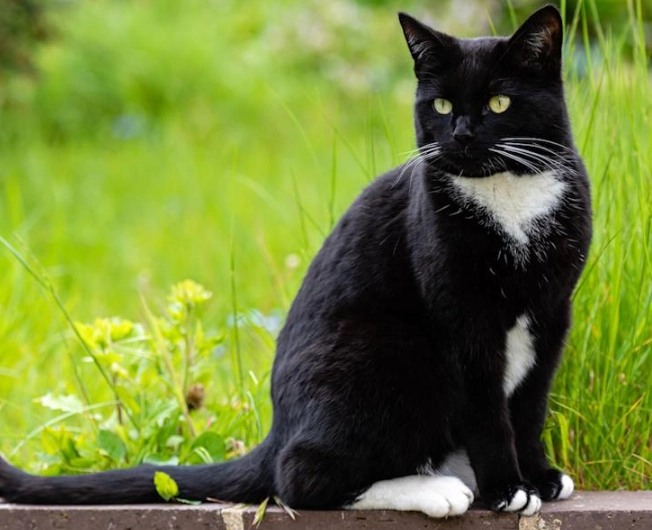
Let's get straight to the point you're searching for: no cat breed is 100% hypoallergenic. That includes the beautiful Birman. I've lived with cat allergies and a Birman for eight years now, and that headline is the first myth we need to bust. The term "hypoallergenic" is misleading; it suggests something is free of allergens, which is simply not the case with any cat. What people really mean when they ask about hypoallergenic cats like the Birman is: "Will this breed trigger my allergies less?" And to that, the answer is a cautious, qualified, but hopeful yes.
The magic (or the problem) lies in a protein called Fel d 1. It's produced in a cat's saliva, skin, and sebaceous glands. When cats groom, the saliva dries on their fur and becomes airborne dander. Birmans have a single-layer, silky coat that sheds less than many double-coated breeds. Less shedding means less dander being flung into your environment. That's the core of their "low-allergy" reputation. But focusing solely on the coat is a common mistake. Your success depends on managing the allergen at its source and in your home.
Your Quick Guide to Birmans & Allergies
How Cat Allergies Actually Work (It's Not Just the Fur)
Most people blame cat hair. The hair itself is mostly inert. The real culprit, as I mentioned, is the Fel d 1 protein. It's sticky, lightweight, and can remain airborne for hours. It clings to walls, fabrics, and ventilation systems. A study published in the Journal of Allergy and Clinical Immunology confirms that allergen levels vary widely between individual cats, even within the same breed. This is crucial. You might react strongly to one Birman and barely notice another.
Here’s a nuance most articles miss: male cats, especially intact males, produce significantly higher levels of Fel d 1 than females or neutered males. If allergies are a serious concern, opting for a female Birman is a strategic first choice, not just a preference for a smaller cat. Spaying or neutering also helps reduce allergen production.
Birmans Compared to Other "Hypoallergenic" Breeds
It's helpful to see where Birmans stand. The key differentiator is often coat type and grooming behavior.
| Breed | Coat Type & Shedding | Why It's Considered "Low-Allergy" | A Potential Drawback for Allergy Sufferers |
|---|---|---|---|
| Birman | Single, long, silky. Moderate, seasonal shedding. | Less undercoat means less dander-laden fur released. They are fastidious groomers but may spread less saliva than some. | Long hair can trap allergens if not brushed regularly. Requires consistent grooming. |
| Siberian | Triple, thick, long. Heavy seasonal shedding. | Some produce lower levels of Fel d 1 protein (but this is not guaranteed). | The sheer volume of hair during shedding season can overwhelm an environment. |
| Balinese / Oriental Shorthair | Single, fine. Minimal shedding. | Produce less Fel d 1 protein due to a genetic factor. Often cited as the most reliably low-allergy. | Very vocal and energetic personality may not suit all homes. |
| Devon / Cornish Rex | Short, curly, downy. Very minimal shedding. | Their unique coat sheds very little, so dander isn't distributed as widely. | They have oily skin, which can require frequent bathing to prevent allergen buildup on the skin itself. |
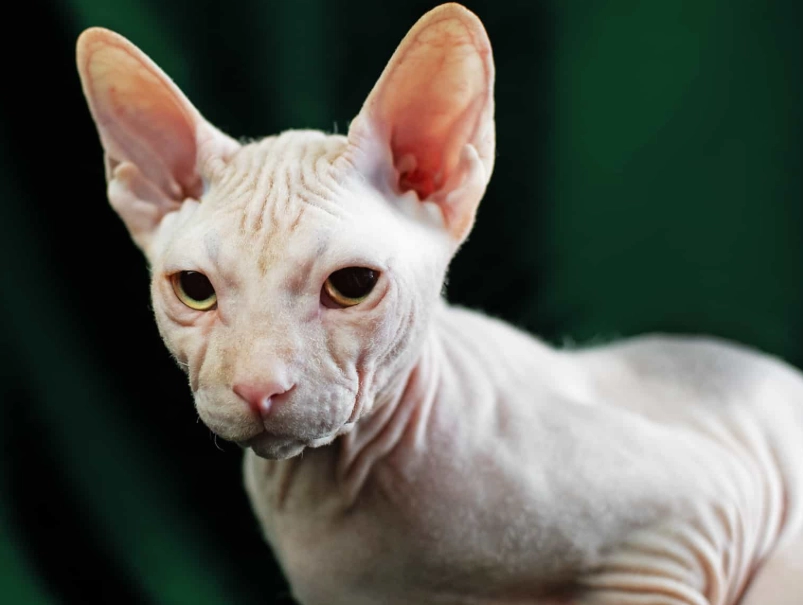
| Sphynx | Hairless. | No fur to shed dander into the air. | They still produce Fel d 1 in saliva and skin oils. The oil needs weekly wiping, or it spreads allergens directly onto surfaces. |
The Birman's advantage is a combination of temperament and coat. They are generally calm, which might mean less frantic grooming sessions that aerosolize saliva. Their silky coat doesn't mat easily, making it simpler to remove loose hair and dander through brushing.
A 5-Step Plan to Manage Allergies with a Birman
Getting a Birman is not a cure. It's a partnership that requires active management. Here’s the exact system I follow.
1. The Pre-Adoption Test is Non-Negotiable
Never buy or adopt a Birman (or any cat) based on breed reputation alone. Spend extended, repeated time with the specific cat or its relatives if possible. Breeders who are knowledgeable about allergies may allow visits. Foster-to-adopt programs are golden for this. Your reaction to one cat is your best data point.
2. Establish a Rigorous Grooming Routine (For You and the Cat)
This is where most people get lazy, and their symptoms flare up.
- Brush Your Cat Outside: Twice a week, minimum. Use a fine-toothed comb or a grooming glove to catch loose hair and dander before it flies. Do this on a porch, balcony, or in a well-ventilated area away from your main living space. Wear a mask if you're sensitive.
- Wipe-Downs Are Key: Once a week, use pet-safe allergen-reducing wipes (like Allerpet) or a damp cloth to wipe your Birman down. This removes saliva and dander directly from the skin and coat. It's more effective than you'd think.
- Wash Your Hands: After petting or grooming, always wash your hands before touching your face.
3. Create an Allergen-Reduced Sanctuary
Your bedroom should be a cat-free zone. This gives your immune system 8 hours of rest each night. It's the single most effective environmental control.
Invest in a high-quality HEPA air purifier. Don't cheap out. Place it in the room where you and the cat spend the most time. Run it continuously. Also, get a vacuum cleaner with a certified HEPA filter and use it on soft furnishings and carpets at least twice a week. The American Academy of Allergy, Asthma & Immunology emphasizes the importance of these filters in trapping microscopic allergens.
4. Consider Diet and Supplements (For the Cat)
Emerging research, including studies referenced by institutions like the Cornell Feline Health Center, suggests that certain cat foods containing egg product with anti-Fel d 1 antibodies can neutralize the allergen in a cat's saliva. Purina Pro Plan LiveClear is the most well-known. I've used it, and while it's not a magic bullet, I noticed a tangible difference in my reaction when my cat was on it consistently. It's a tool, not a solution.
5. Manage Your Own Health
Consult an allergist. Over-the-counter antihistamines, nasal corticosteroids, or prescription medications can be part of a successful strategy. Some people pursue allergy shots (immunotherapy) for long-term relief. Don't suffer in silence thinking you just have to tough it out.
Your Top Questions Answered
I've heard bathing a cat reduces allergens. Should I bathe my Birman regularly?
Bathing can wash away surface allergens, but it's stressful for most cats (and owners). For a Birman with a long coat, it's a major undertaking. Frequent bathing can also dry out their skin, potentially increasing dander. I find weekly wipe-downs with a damp cloth or allergen wipes to be far more practical and effective for maintenance. A full bath every 4-6 weeks is the maximum I'd recommend, and only if your cat tolerates it.
Are Birman kittens better for allergies than adult Birmans?
Not necessarily. Kittens of all breeds may produce less Fel d 1 initially, but levels increase as they mature. The bigger issue is that kittens are messy. They groom less efficiently, get into everything, and spread saliva and dander more haphazardly. Your initial reaction to a kitten may not predict your reaction to the adult cat. Testing with an adult cat, if possible, gives more reliable data.
If I'm allergic to dogs, will I be okay with a Birman cat?
Dog and cat allergies are triggered by different proteins (Can f 1 vs. Fel d 1). There is no cross-reactivity. Being allergic to dogs does not mean you'll be allergic to cats, or vice versa. You must test your specific reaction to cats. Don't assume compatibility based on a different species.
What's the one thing most people forget when trying to live with a cat and allergies?
Soft furnishings. Everyone focuses on the air and the cat, but allergens sink into upholstered couches, curtains, and throw blankets. These are reservoirs that get stirred up every time you sit down. Use washable slipcovers on your main furniture and wash them in hot water every two weeks. Choose blinds over fabric curtains. It makes a dramatic difference in the total allergen load in your home.
Living with a Birman when you have allergies is a commitment, not a gamble. It requires a proactive, multi-pronged approach. The breed's gentle nature and relatively low-shedding coat provide a good foundation, but your daily habits will determine your success. It's entirely possible to have a wonderful, symptom-managed life with one of these "sacred cats of Burma." Just go in with your eyes open, a plan in hand, and maybe an extra pack of HEPA filters.