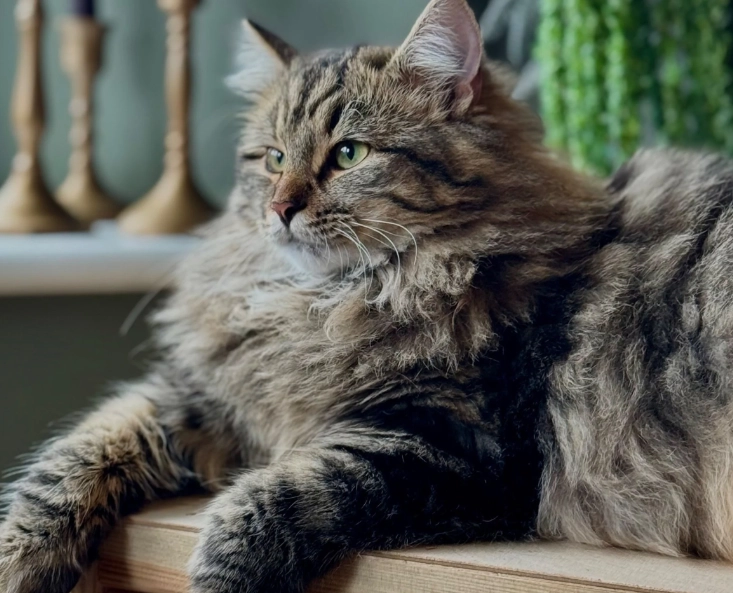
Let's cut to the chase: Yes, all Scottish Fold cats carry the genetic potential for painful, degenerative joint disease. It's not a matter of "if" for many, but "when" and "how severely." The very gene that gives them those adorable folded ears is a genetic mutation that affects cartilage development throughout their entire body, a condition known as osteochondrodysplasia. This isn't a simple case of old-age arthritis; it's a fundamental, lifelong skeletal defect. I've been working with cats for over a decade, and the reality of this breed's health is the main reason I feel a deep sense of conflict about them. They are undeniably charming, but that charm comes at a biological cost.
What You'll Find in This Guide
What is Osteochondrodysplasia? The Root Cause
Think of cartilage as the body's shock absorber and scaffolding. In Scottish Folds, a dominant gene (the "Fold" gene) messes with how this cartilage forms and functions. It's weaker, less elastic, and turns into bone abnormally—a process called ossification. This doesn't just affect the ear pinna. It impacts every joint: ankles, knees, hips, tail vertebrae, and the spine.
Here’s a common misconception: people think it's just an ear problem. That's dangerously wrong. The folded ear is simply the most visible sign of a systemic disorder. A cat with two copies of the Fold gene (from two Fold parents) will have severe, crippling deformities from a very young age. Responsible breeders only mate a Fold with a straight-eared cat (like a Scottish Shorthair), so kittens get one copy. But even one copy guarantees some level of abnormality.
The progression is degenerative. Abnormal cartilage leads to malformed joints, which causes uneven wear, inflammation, and the growth of painful bone spurs. It's a slow, creeping process of osteoarthritis.
How to Spot Pain in Your Scottish Fold
Cats are masters at hiding pain—it's a survival instinct. With Scottish Folds, you need to become a detective, looking for subtle shifts in behavior and movement. Pain often manifests as a reluctance to do things, not outright crying.
Key Behavioral and Physical Signs
The "Buddha Sit" or "Meatloaf" Position: This is a huge red flag. If your Fold frequently sits with its hind legs splayed out awkwardly and its weight off its feet, it's often trying to relieve pressure on painful hips and hocks (ankles). It might look cute, but it's a classic pain posture.
Abnormal Gait and Movement: Watch them walk. A stiff, stilted gait, especially in the hind legs, is telling. You might see a noticeable "bunny hop" when they run instead of a fluid, feline gallop. Hesitation or refusal to jump onto favorite perches, beds, or sofas is a major sign. They may start using furniture as steps.
Tail Issues: The tail is an extension of the spine. A tail that is thick, stiff, lacks flexibility, or is very short is a direct indicator of spinal vertebrae fusion and is often painful to the touch. A healthy cat's tail is whippy and expressive.
Personality Changes: A once-playful cat becomes withdrawn, sleeps more, or hides. They may become irritable or aggressive when touched in certain areas (like the base of the tail, hips, or back legs). They might stop grooming themselves properly, leading to a matted coat over painful areas they can't twist to reach.
| What to Look For | What It Might Mean | Action Step |
|---|---|---|
| Stiff, hesitant walk after resting | Morning stiffness from joint inflammation | Note frequency; provide soft, warm bedding |
| Limping or favoring one leg | Acute pain flare-up or injury on top of chronic issue | Schedule a vet visit for pain management |
| Vocalizing when jumping down | Pain on impact in wrists, elbows, or shoulders | Provide ramps or steps to reduce jumping |
| Over-grooming a specific joint | Localized pain or discomfort in that area | Check for swelling or heat; consult vet |
| Loss of muscle mass in hind legs | Disuse atrophy from chronic pain and reduced activity | Discuss gentle physiotherapy and diet with vet |
Caring for a Scottish Fold with Joint Issues
If you already have a Scottish Fold, proactive and compassionate care is everything. The goal isn't to cure the osteochondrodysplasia—you can't—but to manage pain, slow degeneration, and maximize quality of life.
A Multi-Pronged Management Plan
Environmental Modification: This is where you make the biggest daily impact.
- Ramps and Steps: Eliminate the need to jump. Provide carpeted steps or ramps to their favorite high spots—the bed, the couch, a cat tree.
- Litter Box Access: Use a large, low-sided litter box. High sides or hooded boxes are painful obstacles for stiff joints.
- Warm, Soft Bedding: Place orthopedic or memory foam beds in warm, draft-free spots. Heat soothes achy joints.
- Food and Water Placement: Raise bowls to a comfortable height so they don't have to crouch painfully.
Medical Management: Never give human pain medication. It can be fatal to cats. Your vet may prescribe:
- NSAIDs (Non-Steroidal Anti-Inflammatories): Formulated for cats, like robenacoxib or meloxicam, to reduce inflammation and pain.
- Pain Modifiers: Drugs like gabapentin for neuropathic pain or chronic discomfort.
- Joint Supplements: While not a cure, supplements like glucosamine/chondroitin (e.g., Cosequin) or omega-3 fatty acids (fish oil) may support joint health. Green-lipped mussel extract is another promising option. Discuss with your vet.
- Solensia (frunevetmab): This is a newer, monthly injectable monoclonal antibody that targets a key source of osteoarthritis pain (Nerve Growth Factor). It's a game-changer for many cats, often with fewer side effects than oral NSAIDs. Ask your vet if it's suitable.
Weight Management & Diet: This is critical. Every extra pound multiplies the stress on malformed joints. Work with your vet on a precise feeding plan. Prescription joint/mobility diets are available.
Gentle Physical Therapy: Passive range-of-motion exercises, gentle massage, and controlled activities can maintain muscle strength and joint mobility. Some clinics offer laser therapy, which can reduce inflammation and pain.
The Big Ethical Question: Should You Get One?
This is the hardest part. After seeing the X-rays of young Folds with fused tail vertebrae and misshapen joints, my personal stance has shifted. The breeding of Scottish Folds is banned or restricted in several countries (like much of the EU under the Convention on the Protection of Pet Animals) and by major cat fancier organizations like the Governing Council of the Cat Fancy (GCCF) in the UK. They cite the inherent health problems as a violation of welfare standards.
If you are considering getting a Scottish Fold, you are accepting a high probability of becoming a long-term pain manager for your pet. You must be financially prepared for lifelong vet visits, medications, and potential advanced care like physical therapy.
Consider this: choosing a Scottish Shorthair (the straight-eared variant) gives you the same wonderful personality without the genetic time bomb. If you are set on a Fold, adopt, don't shop. Rescue organizations often have Folds surrendered when owners can't handle their medical needs. Giving a home to a cat already in existence is the most ethical path.
The most responsible and heartbreaking decision a Fold owner may ever face is considering humane euthanasia when pain can no longer be adequately controlled. Quality of life must always trump our desire to keep them with us.