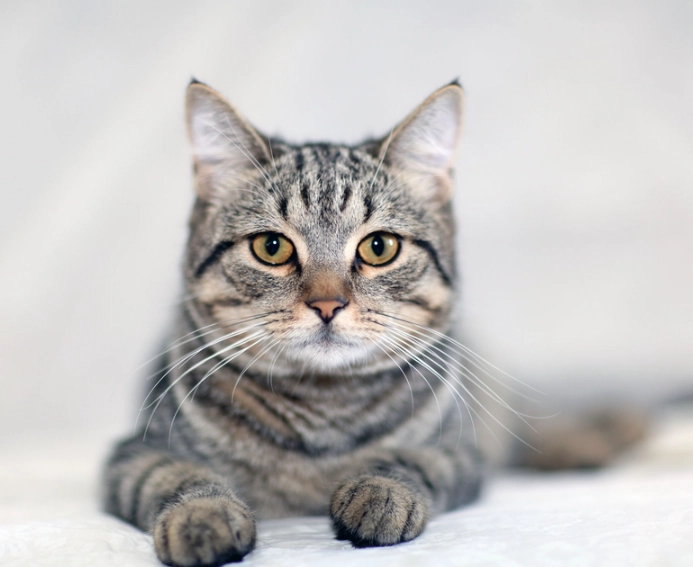
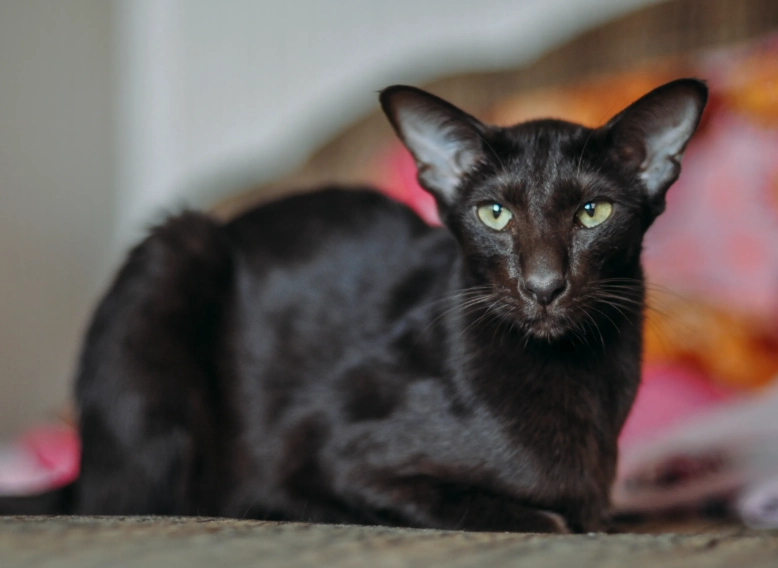
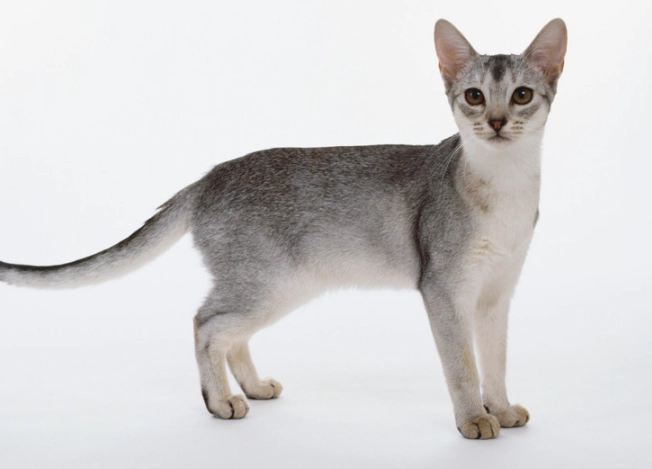
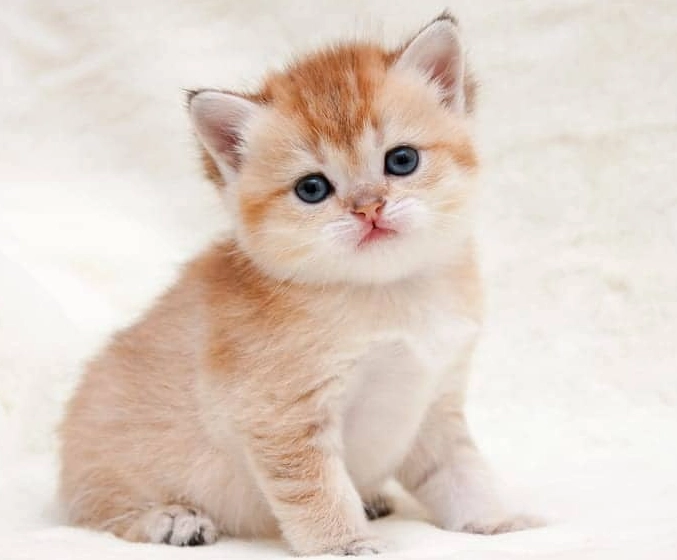
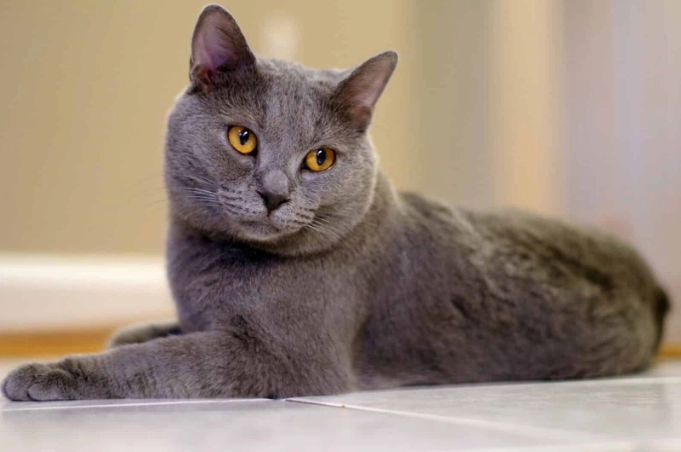
You've seen the photos. A majestic, thick-furred cat with eyes like glacier pools and a coat that shimmers like frost on a pine forest. That's the Silver Siberian, a color variation of the ancient Siberian Forest Cat that's capturing hearts worldwide. But is this breed just a stunning Instagram model, or is there substance behind the silver sheen? I've lived with Siberians for over a decade, and I can tell you, the reality is far more interesting—and sometimes more challenging—than the curated online image. Let's strip away the fluff and talk about what it's really like to live with a Silver Siberian cat.
Your Quick Guide to Silver Siberians
What Exactly is a Silver Siberian Cat?
First, a crucial distinction. "Siberian" is the breed. "Silver" is a coat color and pattern. It's not a separate breed. This silver effect isn't paint; it's genetics. A dominant inhibitor gene (the "I" gene) suppresses the development of warm pigment (pheomelanin) in the base of the hair shaft. The result? Hair that's pale at the root and tipped with black, brown, or blue, creating that characteristic shimmer. The Cat Fanciers' Association (CFA) and The International Cat Association (TICA) recognize several silver patterns: silver tabby, silver shaded, and smoke.
Beyond the coat, you're dealing with a natural breed from Russia, built for survival. We're talking a solid, muscular medium-to-large cat. Males can easily hit 15-20 pounds, females 10-15. Their famous triple coat—a coarse guard layer, awn hair, and a dense downy undercoat—is weatherproof. It feels oily to the touch, a trait that historically helped shed water in the harsh Russian climate. The eyes are typically green or gold, and in silvers, they can look exceptionally vivid against the cool-toned fur.
Quick Breed Snapshot: Think of the Siberian as the "working dog" of the cat world. They are powerful, intelligent, and surprisingly agile for their size. That fluffy tail isn't just for show; they use it for balance and will often wrap it around themselves for warmth.
The Siberian Cat Temperament: Not Your Average Lap Cat
If you want a decorative pillow that purrs, look elsewhere. The Siberian temperament is engaging, dog-like, and moderately active. They form deep bonds with their families but often choose one favorite person. My male, Sasha, follows me from room to room, "helps" with chores, and greets me at the door. He's not constantly on my lap, but he's always nearby.
They are famously good with children and other pets when properly socialized. Their play style is robust—no delicate swats here. Expect them to chase, leap, and wrestle with gusto. They retain a kitten-like curiosity well into adulthood. A common mistake is underestimating their intelligence and need for stimulation. Bored Siberians find their own fun, which might involve rearranging your knick-knacks or learning to open cabinet doors.
Voice? They have one. It's not the piercing yowl of a Siamese, but a range of chirps, trills, and conversational meows. Sasha has a specific trill for "I see a bird out the window" and a different one for "my water bowl is half empty."
Caring for Your Silver Siberian: A Practical Guide
Here's where many prospective owners get tripped up by the gorgeous photos. That magnificent coat demands work.
Grooming: The Non-Negotiable Routine
Contrary to some claims, their coat doesn't magically resist matting. The undercoat is dense. You need a solid grooming toolkit: a wide-toothed comb, a slicker brush, and an undercoat rake. During non-shedding seasons, a thorough comb-through twice a week is sufficient. The real challenge comes during the spring and fall "blowouts," when they shed their undercoat in clumps. For 2-3 weeks, you'll need to comb daily unless you enjoy tumbleweeds of fur drifting across your floor. Bathing? Not often needed due to that oily coat, but a bath during a heavy shed can help loosen dead hair. Use a cat-specific shampoo.
Diet and Exercise
These are big, active cats. They need high-quality, protein-rich food. I've had the best results with a mix of premium wet and dry food. Portion control is key; it's easy for them to become overweight. Provide tall, sturdy cat trees for climbing and robust interactive toys. Puzzle feeders are excellent for their clever minds. A bored, under-exercised Siberian is a recipe for mischief.
Cost Considerations (The Real Numbers)
Let's talk money, because reputable breeders aren't cheap.
| Expense Category | Estimated Cost (USD) | Notes |
|---|---|---|
| Kitten from Reputable Breeder | $1,200 - $2,500+ | Silver coloring often commands a premium. Health testing of parents is a must. |
| Initial Setup (Carrier, Tree, Litter Box, etc.) | $300 - $600 | Don't skimp on the cat tree; get a heavy, tall one. |
| Annual Food & Litter | $500 - $800 | High-quality diet adds up. |
| Annual Vet Care (Wellness) | $200 - $400 | Excluding emergencies. |
| Professional Grooming (Optional) | $80 - $150 per session | Useful during heavy sheds if you struggle. |
Silver Siberian Cat Health and Lifespan
Generally robust, Siberians have a lifespan of 12-15 years, sometimes longer. Reputable breeders screen for Hypertrophic Cardiomyopathy (HCM), the most common heart disease in cats. Always ask for proof of parental HCM screening. There's no specific link between the silver color and additional health issues. The breed's natural development means they have fewer genetic problems than some highly manipulated breeds. However, their size makes them prone to joint issues like hip dysplasia later in life. Keeping them at a healthy weight is the best preventive measure.
That famous hypoallergenic trait? Here's the nuanced truth. Many Siberians produce lower levels of the Fel d 1 protein, a common allergen, in their saliva. Some people with mild allergies tolerate them well. But no cat is 100% hypoallergenic. Allergen levels vary between individual cats, not just breeds. If you have severe allergies, spend time with an adult Siberian before committing. Kitten allergen levels are not reliable indicators.
Is a Silver Siberian Cat Right for You?
Let's be brutally honest. A Silver Siberian is a great fit if:
- You enjoy an interactive, involved pet relationship.
- You have time for regular grooming and active play.
- You don't mind some cat hair (even with grooming).
- You have space for a large, athletic cat to move.
- You're prepared for the financial commitment.
Think twice if:
- You want a low-maintenance, hands-off pet.
- You have severe cat allergies (without testing exposure first).
- You prefer a pristine, fur-free home.
- You're on a tight budget.
- You're away from home for very long hours regularly.