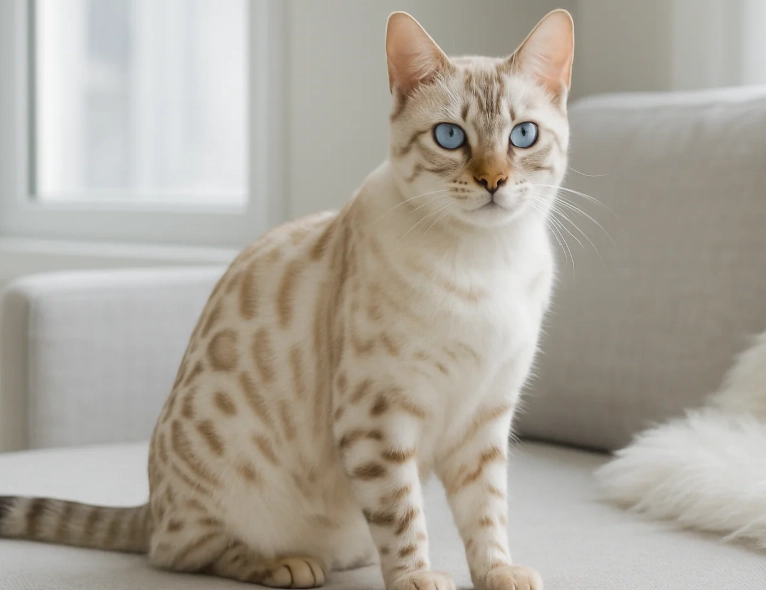
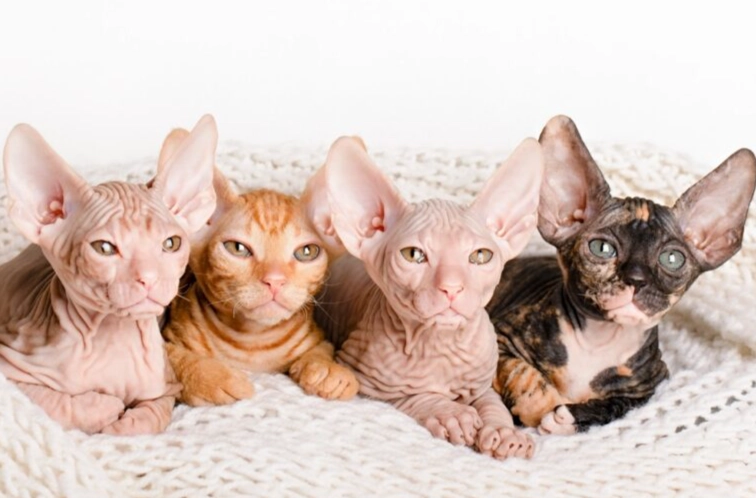
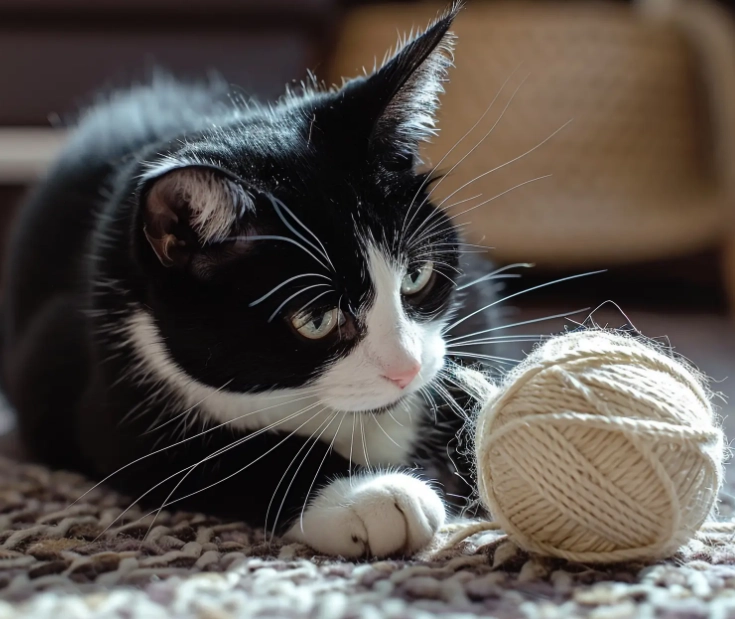
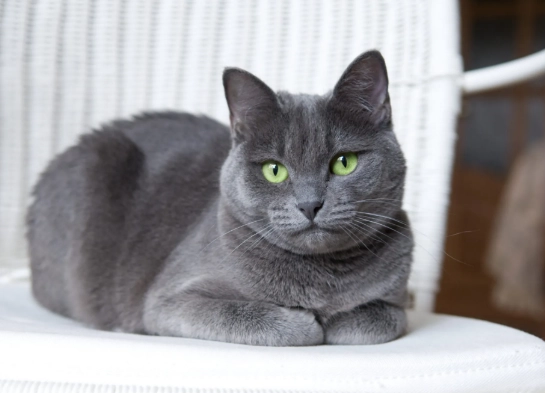
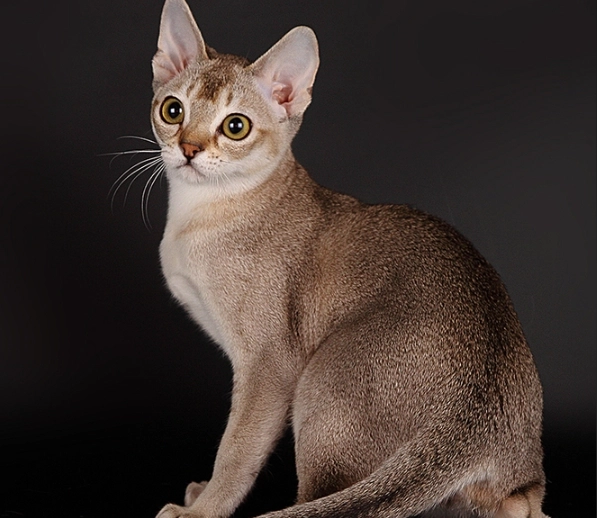
Let's clear something up right away. If you're picturing a cat that looks like an ancient Egyptian statue, you're close but not quite right. The "Egyptian" in Egyptian Oriental cat is a bit of a misnomer that sticks around from early breeding days. This cat is, for all intents and purposes, the sleek, colorful cousin of the Siamese, officially known as the Oriental Shorthair. But that name doesn't capture their essence. I've lived with one for eight years, and I can tell you, they're less like a statue and more like a living, breathing, incredibly opinionated piece of modern art that follows you everywhere. This guide isn't just a list of facts. It's a deep dive into what life is really like with this breed, covering the joys, the constant chatter, the specific health quirks most articles gloss over, and whether your home is ready for this level of feline intensity.
What's Inside?
- What Exactly Is an Egyptian Oriental Cat?
- The Egyptian Oriental Cat Personality: More Than Just "Talkative"
- Egyptian Oriental Cat Health: A Proactive Owner's Checklist
- Caring for Your Egyptian Oriental Cat: Beyond the Basics
- Is an Egyptian Oriental Cat Right for You? A Reality Check
- Your Egyptian Oriental Cat Questions, Answered Honestly
What Exactly Is an Egyptian Oriental Cat?
Think of the Siamese cat. Now, take away the restrictive "pointed" coat color pattern (the dark face, ears, paws, and tail). What you're left with is a canvas for over 300 color and pattern combinations – solid ebony, shimmering silver tabby, radiant chestnut, you name it. That's the Oriental Shorthair. The "Egyptian" tag sometimes gets attached, particularly to the solid-colored versions, harking back to early 20th-century breeding attempts to create a "foreign" type cat. The Cat Fanciers' Association (CFA) recognizes them simply as Oriental Shorthairs.
Their physique is impossible to ignore. We're talking extreme elegance: a long, tubular body on slender legs, a whip-like tail, and enormous, radar-dish ears that give them a perpetually alert expression. The head is a long, tapering wedge. It's a specific, acquired aesthetic. Some people find them stunningly beautiful; others think they look a bit severe. I fell into the former category the moment I saw those lines.
The Egyptian Oriental Cat Personality: More Than Just "Talkative"
Every article says they're vocal. That's the understatement of the century. My cat, Jasper, doesn't just meow. He comments. He has a specific chirp for "I see a bird," a demanding yodel for "my dinner is 30 seconds late," and a soft, conversational murmur for when he's following me from room to room just to keep me company. This isn't random noise; it's a running commentary on life. You will have conversations. If you crave a silent, independent cat that ignores you, look elsewhere.
But the voice is just the tip of the iceberg. Their defining trait is an intense, dog-like attachment to their person. They are Velcro cats. Jasper is either on my lap, draped over my shoulder, or positioned somewhere he can maintain line-of-sight. This isn't casual affection; it's a deep-seated need for involvement. They get bored and lonely easily. An Oriental left alone for long hours in an empty apartment is a recipe for a neurotic, destructive cat.
They are also frighteningly intelligent and active. A simple feather wand isn't enough. They need puzzle feeders, clicker training sessions (yes, you can train them to high-five), and vertical space – cat trees are non-negotiable. Their energy level stays kitten-like for years. I made the mistake of thinking a couple of play sessions a day would suffice. I was wrong. They need engagement.
| Personality Trait | What It Really Means for You |
|---|---|
| Extremely Vocal | Prepare for constant communication, not just meowing. They'll tell you about everything. This can be charming or exhausting, depending on your tolerance. |
| People-Obsessed & Clingy | They select a favorite human and shadow them. They demand to be involved in everything you do, from working to sleeping. Great for companionship, challenging if you need personal space. |
| Highly Intelligent & Active | Boredom is their enemy. You must provide mental stimulation (puzzles, training) and physical exercise daily. They are not couch potatoes. |
| Playful & Mischievous | They will open cabinets, steal small objects, and find the one thing you don't want them to play with. Cat-proofing is essential. |
Egyptian Oriental Cat Health: A Proactive Owner's Checklist
Here's where that "10-year experience" perspective kicks in. Many breed guides will generically list "prone to dental issues." Let's get specific. Orientals, due to their distinct head shape, often have crowded or misaligned teeth. This isn't just about bad breath; it creates pockets where plaque builds up rapidly, leading to gingivitis and painful periodontal disease far earlier than in other breeds. I learned this the hard way. Jasper needed his first professional dental cleaning at just three years old. My vet, who specializes in feline dentistry, said it's exceedingly common in Orientals and Siamese.
You cannot rely on dry food alone to clean their teeth. It's a myth. You need a proactive home dental care regimen from kittenhood – brushing with feline toothpaste, dental gels, or prescription dental diets. Start early, make it positive, or you'll face expensive vet cleanings under anesthesia.
Other Breed-Associated Conditions
Like their Siamese relatives, they have a genetic predisposition to certain conditions. Reputable breeders screen for these.
- Progressive Retinal Atrophy (PRA): A degenerative eye disease that can lead to blindness. A responsible breeder will have proof the parents are DNA-tested clear for the known mutation.
- Amyloidosis: A serious disease where abnormal protein deposits damage organs, particularly the liver. There is no simple genetic test, so knowing the health history of the breeding lines is critical.
- Cardiac Issues: Some lines may be prone to heart murmurs or conditions like dilated cardiomyopathy. A pre-anesthesia heart scan is a wise precaution before any dental procedure.
Their slender build also means they have less body fat. They feel the cold easily and can lose body heat quickly if sick. Keep sweaters on hand and ensure their environment is warm.
Caring for Your Egyptian Oriental Cat: Beyond the Basics
Coat care is easy – a weekly rubdown with a chamois cloth or silicone grooming mitt is enough to remove loose hair and make their coat shine. The real work is in meeting their environmental and nutritional needs.
Diet and Nutrition
They are often food-motivated and can be prone to obesity if free-fed. Their high metabolism and activity levels mean they need quality, protein-rich food. I feed a combination of measured portions of high-protein wet food (for hydration and dental health) and a limited amount of premium dry kibble. Avoid cheap, carb-heavy foods; they'll eat it but won't thrive on it.
Environmental Enrichment: Non-Negotiables
To prevent behavioral issues, your home must be their playground.
- Vertical Territory: A tall, sturdy cat tree by a window is their throne. They love to survey their domain.
- Interactive Play: Schedule two or three 15-minute intense play sessions daily. Use wand toys that mimic prey (birds, insects) to satisfy their hunting drive.
- Mental Puzzles: Food-dispensing toys, treat balls, and simple training tricks (come, sit, target) work their brains.
- Companionship: Seriously consider getting two, especially if you work long hours. They often do better with a feline friend to wrestle and interact with. Introducing an adult Oriental to a new cat can be tricky, so getting littermates or planning introductions carefully is key.
Is an Egyptian Oriental Cat Right for You? A Reality Check
Let's be brutally honest. This breed is not for everyone. They are a high-input, high-reward pet.
You might be a perfect match if: You work from home, desire a constant, interactive companion, enjoy a chatty pet, have time for daily play and training, and appreciate a sleek, modern look. You understand that pet ownership involves proactive healthcare, not just reactive vet visits.
You should probably reconsider if: You are away from home 10+ hours a day, need peace and quiet, prefer a low-maintenance, independent cat, are on a tight budget (vet bills for dentals can be significant), or are easily frustrated by persistent demands for attention.
The cost? From a reputable breeder who does full health testing, expect $1,200 to $2,500+ for a kitten. Adopting an adult from a breed-specific rescue (like Siamese Rescue, which often takes in Orientals) is a wonderful, often cheaper option, typically ranging from $150 to $300.
Your Egyptian Oriental Cat Questions, Answered Honestly
Are Egyptian Oriental cats good for first-time owners?
They can be a challenging first cat. Their intense needs for interaction and mental stimulation, combined with potential health vigilance (like dental care), require a committed and attentive owner. A first-time owner who is home often, does extensive research, and is prepared for a very involved relationship can succeed. But someone expecting a low-key "starter cat" might be overwhelmed.
How do I stop my Egyptian Oriental cat from yowling at night?
Nighttime yowling usually stems from boredom or leftover energy. The solution isn't to ignore it or get angry. Exhaust them before bed with a vigorous play session, followed by a small meal (simulating hunt-eat-sleep). Ensure they have access to a window perch for entertainment. If they wake you up, do not engage—no talking, no eye contact, no feeding. Complete indifference is key. Providing a puzzle feeder filled with a few kibbles for overnight "hunting" can also help.
Are Oriental Shorthairs really hypoallergenic?
No cat breed is truly hypoallergenic. Allergies are primarily to a protein (Fel d 1) in cat saliva and skin secretions, not just fur. While Orientals have very short hair and shed less visibly, they still groom themselves and spread allergens. Some allergic people may react less severely to them, but there's no guarantee. Always spend time with the breed before committing if you have allergies.
My Egyptian Oriental cat is suddenly hiding and quiet. Should I be worried?
Absolutely. This is a major red flag. A vocal, clingy Oriental who suddenly becomes withdrawn and silent is almost certainly communicating that something is wrong, often pain or illness. Given their predisposition to dental pain and other issues, this behavioral change warrants an immediate vet visit. In a breed known for expressing everything, silence is the loudest alarm.
Living with an Egyptian Oriental cat is a unique experience. It's a partnership, not just ownership. They give immense affection and entertainment but demand your time and understanding in return. If you can meet them at their level—embracing the chatter, committing to their care, and providing a stimulating home—you'll gain a loyal, fascinating, and utterly unforgettable companion.