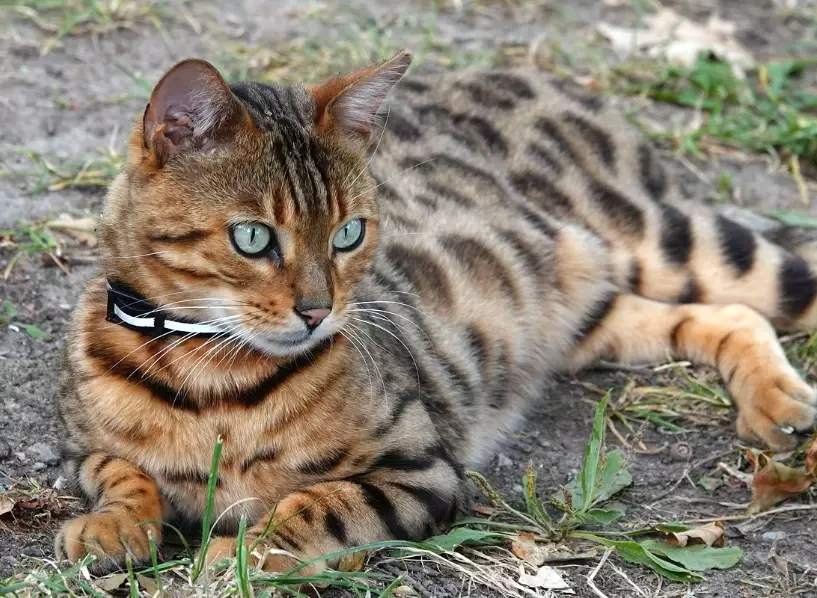
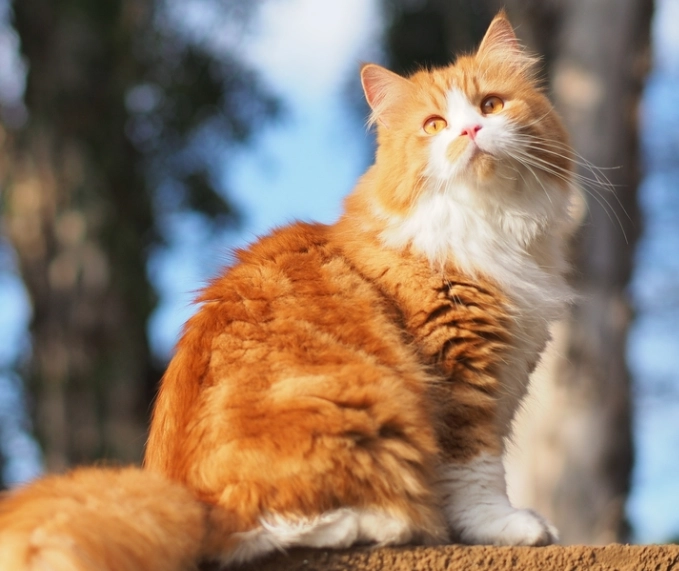
You've seen the photos—a cat so dark it seems to swallow the light, yet with a ghostly pattern shimmering just beneath the surface. That's the allure of the leopard cat black, a term that sends cat enthusiasts and curious pet seekers down a rabbit hole of stunning imagery and confusing information. Is it a separate breed? A wild hybrid? A genetic fluke? Let's cut through the noise. When people talk about a "leopard cat black," they're almost always describing a melanistic Bengal cat, a domestic feline with a spectacularly dark coat that carries the hidden markings of its spotted ancestry. This isn't about a new species; it's about one of the most visually arresting expressions of feline genetics in the pet world.
What's Inside This Guide
What Is a Leopard Cat Black, Really?
First, a crucial clarification. "Leopard cat" technically refers to a specific wild species, Prionailurus bengalensis. The domestic Bengal breed was created by crossing that wild leopard cat with domestic cats. So, a "leopard cat black" isn't a black wild animal. It's a melanistic domestic Bengal cat.
Melanism is a genetic condition that causes an overproduction of dark pigment (eumelanin). In Bengals, it results in a background color that ranges from cool charcoal to rich, warm black. The magic—and what defines a quality melanistic Bengal—is the "ghost spotting" or "ghost marbling." In good light, you can see the classic Bengal rosettes or marbled patterns subtly superimposed on the dark base. It's like a secret design only revealed under the right conditions.
Key Takeaway: You are looking at a domestic cat, not a wild one. The term is a descriptive nickname for a color variation within an established, human-bred pedigree.
The Genetics Behind the Beauty
That inky black coat isn't random. It's governed by a recessive gene variant at the agouti locus. In simple terms, both parents must carry this non-agouti (a/a) gene for a kitten to be born melanistic. This is why they're less common than the classic brown or silver spotted Bengals.
Not all black-looking Bengals are created equal. The quality of the ghost marking is paramount. A poor example might just look like a plain black cat. A great one takes your breath away when the sun hits its fur just right. According to The International Cat Association (TICA), the world's largest genetic registry of pedigreed cats, these cats are judged in shows specifically on the clarity and contrast of those hidden patterns.
Here’s a quick breakdown of how melanistic Bengals compare to other dark-coated cats:
| Coat Type / Breed | Key Identifier | Pattern Visibility | Genetic Cause |
|---|---|---|---|
| Melanistic Bengal (Leopard Cat Black) | Ghost rosettes/marbling on dark base | Subtle, requires good light | Recessive non-agouti gene + Bengal pattern genes |
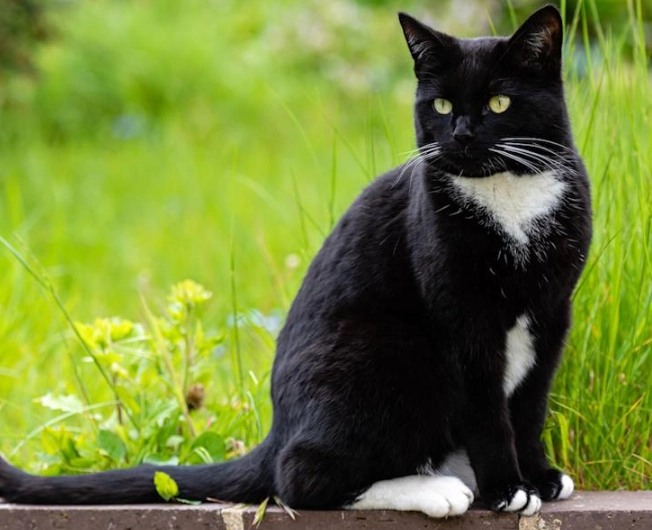
| Solid Black Domestic Shorthair | Uniform, jet-black fur | No pattern | Non-agouti gene without pattern genes |
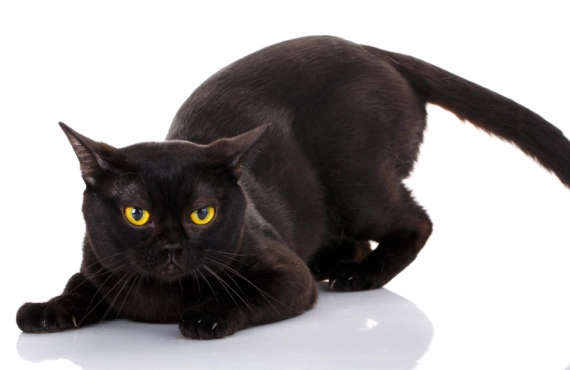
| Bombay Cat | Jet black, patent-leather shine, copper eyes | No pattern | Bred specifically for solid black (non-agouti) |
| Charcoal Bengal | Dark, thick "Zorro" mask & cape, darker background | Pattern is dark but usually more visible | A different gene (Apb) affecting pigment distribution |
See the difference? The melanistic Bengal's claim to fame is that elusive, almost magical pattern. It's what you're paying for.
Care, Personality & The Reality of Ownership
Let's talk about what it's actually like to live with one of these cats. A common misconception is that their dark coat or exotic look makes them more wild or difficult. That's not true. Their personality is 100% Bengal.
The Bengal Personality: Energy is the Real Color
Forget the coat color for a second. The defining trait of any Bengal is its intense energy and intelligence. A melanistic Bengal isn't a lap cat that will lounge all day. It's an athlete and a puzzle-solver. They need:
- Substantial Daily Play: Think 30-60 minutes of interactive play (dawn wand toys, fetch, puzzle games) to prevent boredom and destructive behavior.
- Vertical Space: Cat trees, wall shelves, and tall perches are non-negotiable. They love to climb and survey their kingdom.
- Mental Stimulation: Food puzzles, clicker training, and learning tricks are great. They can even be leash-trained for outdoor adventures.
I made the mistake with my first Bengal, a stunning silver, of underestimating this. I thought a couple of toy mice would suffice. He disagreed—loudly, and by redesigning my sofa. The color doesn't change the breed's core needs.
Grooming and Health: No Special Black-Cat Regimen
Here's some good news. Their short, pelt-like coat is remarkably easy to care for. A weekly brush with a rubber grooming mitt is usually enough to remove loose hair and distribute skin oils. They shed, but honestly, less than you'd think.
Health-wise, they share the same profile as other Bengals. Reputable breeders screen for known genetic issues like:
- Hypertrophic Cardiomyopathy (HCM)
- Progressive Retinal Atrophy (PRA)
- PK Deficiency
Always, always ask for proof of these health screenings from the breeder. A melanistic coat is no shield against genetic problems.
The Cost Factor: Be prepared. Because of their rarity and high demand, a melanistic Bengal kitten from a reputable, health-testing breeder typically costs between $2,000 and $4,000 USD, sometimes more for exceptional lines. The "black panther" look commands a premium. If you see one for $500, it's a major red flag.
Finding and Choosing a Black Bengal Kitten
This is where most people get tripped up. The desire for that specific look can lead to rushed decisions. Don't let the coat color blind you to the fundamentals of ethical acquisition.
Your Breeder Checklist
A good breeder's priority is health and temperament, not just color. They will:
- Be registered with TICA or CFA and openly discuss their breeding goals.
- Provide documented health clearances for both parent cats (not just "vet checked").
- Raise kittens underfoot in their home, not in cages or isolated rooms.
- Ask you as many questions as you ask them—they want to ensure their kitten goes to a suitable home.
- Offer a solid health guarantee and take-back clause in the contract.
Be wary of breeders who only show you stock photos, can't provide specifics on lineage, or have kittens "available now" constantly. Good breeders often have waiting lists.
What to Look for in the Kitten
When you finally visit, look past the adorable darkness. Is the kitten curious and playful, not hiding or hissing? Are the eyes clear, the nose clean, and the energy level bright? Ask to see the ghost markings in different lighting. A responsible breuder will be proud to show them off.
Remember, you're committing to a 15-year relationship with a tiny, intelligent tornado. The color is the initial attraction, but the cat's health and personality are what you'll live with every day.