Let's cut to the chase: a Balinese cat isn't a mix of anything. If you're here because you heard it's a crossbreed, I get it—that's a common misconception. But the truth is simpler and more fascinating. The Balinese is essentially a long-haired version of the Siamese cat, resulting from a natural genetic mutation, not intentional mixing. I've been around cats for over a decade, and I've seen this confusion trip up even seasoned breeders. So, let's dive in and clear things up.
Quick Navigation: What You'll Learn
The Genetic Truth: No Mixing Involved
Here's the deal: the Balinese cat originated in the 1950s when long-haired kittens started popping up in Siamese litters. It wasn't some secret breeding experiment with another breed. It was a spontaneous mutation in the recessive long-hair gene. Breeders noticed these fluffy kittens and decided to develop them into a separate breed. Organizations like The Cat Fanciers' Association (CFA) now recognize the Balinese as a distinct breed, but its roots are pure Siamese.
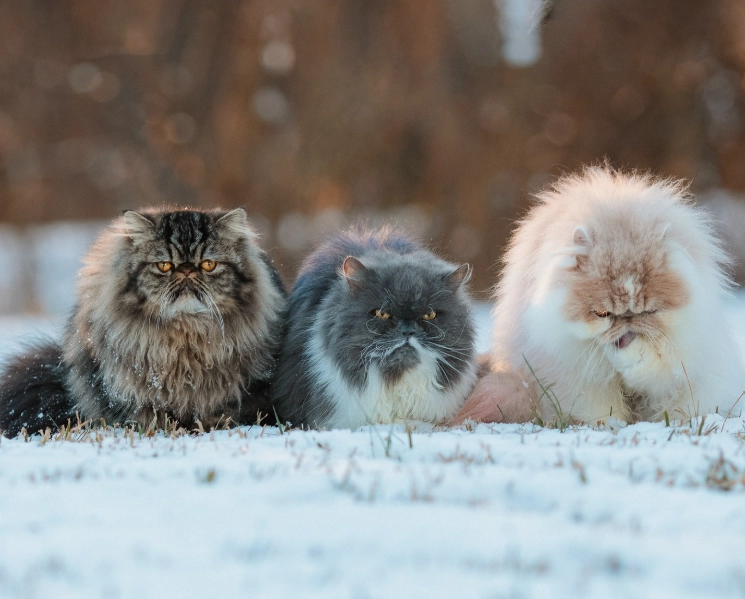
I remember talking to a breeder in California who swore she'd never mix her Siamese lines. She showed me old photos—those long-haired surprises were just random luck. If you're thinking it's a mix with something like a Persian, that's a myth. The coat is silky and fine, not dense like a Persian's.
Key Point: The Balinese is a natural variant of the Siamese, not a hybrid. Its development involved selective breeding for the long-hair trait, not crossbreeding with other cats.
Balinese Cat Traits and Personality
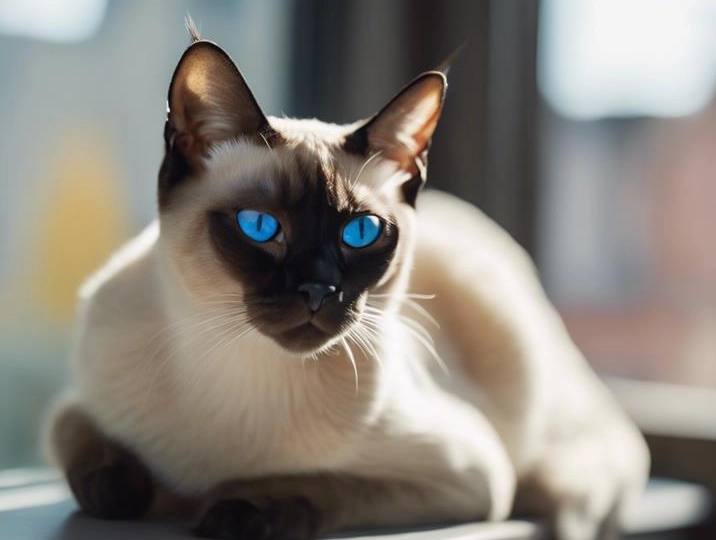
So, what's a Balinese cat like? Imagine a Siamese but with a plumper tail and longer fur. They're medium-sized, weighing 5 to 10 pounds, with that classic pointed coloration—darker ears, face, paws, and tail against a lighter body. The coat is semi-long, lying close to the body, and it doesn't mat easily. That's a plus for grooming.
Personality-wise, they're chatterboxes. Seriously, if you want a quiet cat, look elsewhere. Balinese cats are vocal, intelligent, and social. They'll follow you around, demand attention, and even learn tricks. I've had one that could fetch toys—sounds like a dog, right? But it's true. They form strong bonds with their humans and can get lonely if left alone too long.
Physical Characteristics at a Glance
| Trait | Description | Notes |
|---|---|---|
| Coat Length | Semi-long, fine, and silky | Minimal undercoat, less shedding than many long-hairs |
| Color Points | Seal, blue, chocolate, lilac | Similar to Siamese; points darken with age |
| Body Type | Slender, muscular, and elegant | Not as stocky as some breeds; agile and graceful |
| Eyes | Almond-shaped, deep blue | Striking and expressive; a hallmark of the breed |
| Voice | Loud and frequent meowing | Can be conversational; some owners find it endearing, others overwhelming |
One thing people overlook: their energy levels. They need playtime. A bored Balinese might get into mischief—I've seen them open cabinets or knock things over for fun.
How to Care for a Balinese Cat
Caring for a Balinese isn't too hard, but it requires consistency. Their coat is low-maintenance compared to other long-haired breeds. Brush them twice a week with a stainless-steel comb to prevent tangles and reduce shedding. They're not heavy shedders, but you'll still find some hair around.
Diet is crucial. Feed high-quality cat food with plenty of protein. Avoid cheap fillers; these cats can be prone to obesity if overfed. I recommend consulting a vet for portion sizes—mine suggested measured meals rather than free-feeding.
Exercise? They love interactive toys. Laser pointers, feather wands, puzzle feeders—anything that engages their brain. A cat tree is a must for climbing. If you have a busy schedule, consider getting two cats so they can keep each other company. Balinese cats thrive on companionship.
Grooming tip: Start young to get them used to brushing.
Common Health Issues to Watch For
Balinese cats are generally healthy, but they inherit some Siamese vulnerabilities. Here's what to monitor:
- Respiratory issues: Like Siamese, they can have asthma or bronchial disease. Watch for coughing or wheezing.
- Dental problems: Regular teeth cleaning is key. I've seen cases where neglect led to gum disease.
- Amyloidosis: A liver condition that can be serious. Reputable breeders screen for it.
- Crossed eyes: A cosmetic issue from their Siamese roots, but it doesn't affect vision.
Vet check-ups twice a year are smart. Early detection makes a difference. For more details, the International Cat Association (TICA) provides breed health guidelines—it's a good resource.
Balinese vs. Siamese: Key Differences
People often ask how they differ. It's mostly the coat. Siamese have short, sleek fur; Balinese have longer, flowing fur. Personality-wise, they're similar—both are vocal and affectionate. But Balinese might be slightly less intense, in my experience. Some say they're more laid-back, but that varies by individual.
Here's a quick comparison:
- Coat: Siamese—short; Balinese—semi-long.
- Grooming: Siamese—minimal; Balinese—moderate brushing needed.
- Shedding: Both are low to moderate, but Balinese shed a bit more due to longer hair.
- Temperature sensitivity: Both prefer warm environments; their pointed coloration is temperature-sensitive.
If you're choosing between them, consider your grooming tolerance. Balinese require a bit more upkeep, but it's not excessive.
FAQ: Your Top Questions Answered
Wrapping up, the Balinese cat isn't a mix—it's a beautiful accident of nature. If you're considering one, assess your lifestyle. They demand attention and care, but give back endless companionship. For further reading, check out The Cat Fanciers' Association's breed standard page—it's a solid reference. Remember, every cat is unique, so meet a few before deciding.