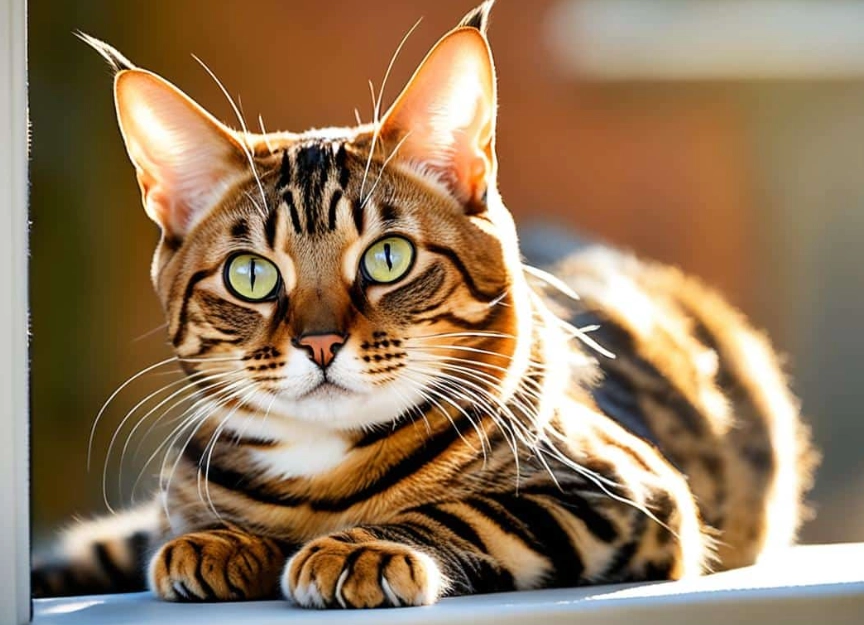
You see that photo of a sleek, silver-blue cat with mesmerizing green eyes – the Russian Blue. You want one. The first question that pops into your head is the price tag. "How much does a Blue Russian cat cost?" The quick answer you'll find is $800 to $3,000. But that's just the tip of the iceberg, and frankly, it's the part that causes the most confusion and potential heartache. That number doesn't tell you why there's such a huge range, what you're actually paying for, or the financial reality of the next 15+ years. I've been involved with cats for over a decade, and I've seen too many people get the initial cost wrong, leading to bad decisions and sometimes, sadly, a bad situation for the cat. Let's cut through the noise and look at the real numbers, from the moment you decide to get one to the lifetime of care it deserves.
What You'll Find in This Guide
The Real Price of a Russian Blue Kitten: Breeder Fees Explained
If you're looking at breeders, the $1,500 to $2,500 range is where most reputable ones operate. Anything under $1,000 should make you pause and ask a lot of questions. Here’s what that fee actually covers, because it's not just for the cat.
A responsible breeder's costs are immense. They include genetic health testing for conditions like hypertrophic cardiomyopathy (HCM) – a simple vet check isn't enough, they need specific echocardiograms on the parents. They pay for premium food, vaccinations, deworming, microchipping, and often early spay/neuter. They invest countless hours in socialization. When you pay $2,000, you're paying for a health guarantee, a known genetic history, and lifelong support. I know a breeder who spends over $300 per kitten just on vet care before they go home.
Let's break down the price tiers you'll encounter:
| Price Range | What It Typically Means | What to Watch Out For |
|---|---|---|
| $500 - $900 | Often a "backyard breeder" or someone rehoming. Little to no health testing, unknown lineage. May not be socialized properly. | No health certificates, no contract, pressure to buy quickly. The term "Russian Blue" might be used loosely for any gray cat. |
| $1,000 - $1,800 | Hobby breeders or smaller-scale operations. Some health testing may be done. Kittens are usually well-cared-for. | Ask for proof of testing (OFA/Pawpeds records). Ensure they are registered with a major cat registry like TICA or CFA. |
| $1,800 - $3,000+ | Established, reputable breeders focused on preserving breed standards and health. Extensive health testing, champion bloodlines, exceptional socialization. | Long waitlists are common. They will interview you thoroughly. This is the standard for a show-quality or breeder-quality kitten. |
One subtle mistake I see? People think a "pet-quality" kitten from a top breeder is inferior. It's not. It usually means the kitten has a minor cosmetic flaw (like a white spot, or its coat isn't quite dense enough for show) that doesn't affect its health or personality one bit. It's often the best value for a family pet.
Adopting a Russian Blue: A More Affordable Path?
You might find a Russian Blue or a Russian Blue mix in a shelter or a breed-specific rescue. The adoption fee is dramatically lower, usually between $75 and $300.
This fee is a bargain when you consider what's included: spay/neuter, initial vaccines, a microchip, and often a basic vet check. You're giving a cat a second chance. The catch? Purebred Russian Blues in rescues are rare. You're more likely to find mixes or cats that simply look like the breed. You also won't have a detailed health history of its parents.
Pro Tip: Use Petfinder or Adopt-a-Pet and set alerts for "Russian Blue" in your area. Also, contact local rescue groups directly and let them know what you're looking for. Patience is key here – it might take months for the right cat to appear.
The First Year: Where Your Budget Really Gets Tested
The purchase price is just your entry ticket. The first year is the most expensive. Here’s a realistic budget, assuming you buy from a breeder. Adoption would lower the initial cost but many of these items remain.
Initial Setup Costs (One-Time)
- Kitten Purchase/Adoption Fee: $1,500 - $2,500 (or $75-$300)
- Essential Supplies: Carrier ($60-$150), scratching posts ($50-$120), litter boxes (two is ideal, $40-$80), quality food/water bowls ($30-$60), bed ($30-$70), toys ($50).
- High-Quality Food: A month's supply of premium wet/dry food can easily run $60-$100.
- Initial Vet Visit & Boosters: Even with breeder shots, a wellness check, fecal test, and final vaccinations can cost $150-$300.
Recurring & Unexpected First-Year Costs
This is where people get blindsided. Your kitten will need multiple vet visits for boosters and a spay/neuter if the breeder didn't do it. The spay/neuter alone can be $300-$600 at a vet. Pet insurance is a smart move – for a kitten, it might be $25-$40 per month. Then there's litter, which is a constant expense. I recommend a good clumping litter; you'll go through a $20-30 box every few weeks.
A realistic total for the first year, excluding the purchase price, is $1,000 to $2,000. Yes, it adds up that fast.
Don't Skip This: Start an emergency fund from day one. Put aside $50 a month. A single emergency visit for a common issue like a urinary blockage (not unheard of in cats, though less common in Russians) can cost $1,500-$3,000. Insurance helps, but you'll still have a deductible.
The 15-Year Picture: Lifetime Cost of a Russian Blue Cat
Let's project the costs over a typical 15-year lifespan. This is an average, assuming a relatively healthy cat. I'm using moderate estimates.
| Expense Category | Annual Estimate (Moderate) | 15-Year Total | Notes |
|---|---|---|---|
| High-Quality Food | $600 - $900 | $9,000 - $13,500 | Wet food is costlier but better for hydration. |
| Litter & Supplies | $300 - $500 | $4,500 - $7,500 | Includes replacing toys, scratching posts, etc. |
| Routine Veterinary Care | $200 - $400 | $3,000 - $6,000 | Annual check-ups, vaccines, preventatives. |
| Pet Insurance Premiums | $300 - $600 | $4,500 - $9,000 | Prices increase as the cat ages. |
| Miscellaneous & Emergency Fund | $200 - $500 | $3,000 - $7,500 | For grooming, dental cleanings, unexpected issues. |
| Subtotal (Recurring) | $1,600 - $2,900 | $24,000 - $43,500 | |
| + Initial Kitten Cost | $1,500 - $2,500 | $1,500 - $2,500 | One-time |
| ESTIMATED GRAND TOTAL | $25,500 - $46,000+ | A sobering but necessary calculation. |
Seeing that $25k+ figure isn't meant to scare you off, but to prepare you. This cat is a long-term financial commitment, similar to a car. The upfront cost is a small fraction of the total.
How to Save Money on Your Russian Blue (The Smart Way)
You can manage costs without cutting corners on care. Here’s how:
Invest in Preventative Care. This is the biggest money-saver. Annual vet checks catch problems early. Good dental hygiene (brushing, dental treats) can avoid a $1,000+ dental procedure later. Keep them indoors – it prevents injuries, fights, and diseases.
Get Pet Insurance Early. Enroll your kitten when it's perfectly healthy. This locks in coverage for hereditary conditions. Compare providers like Lemonade, Healthy Paws, or Embrace. A $250 deductible with 80% reimbursement is a common, sensible plan.
Buy Supplies Wisely. You don't need the fanciest bed – a simple, washable one is fine. A sturdy cardboard scratcher works as well as a $100 post. Buy litter in bulk. But never, ever skimp on food quality. A premium diet can prevent costly urinary and digestive issues down the line.
Consider a Pair? This sounds counterintuitive, but two kittens from the same litter often entertain each other, reducing destructive boredom behaviors. The cost for food and vet care doubles, but the joy (and saved furniture) might be worth it.
Your Russian Blue Cost Questions Answered
Almost certainly not. This is the biggest red flag. At that price, there is no possibility the breeder has done responsible health testing or proper socialization. You are likely supporting a backyard breeder or a kitten mill. The cat may have hidden health issues that will cost you thousands in vet bills, not to mention potential behavioral problems. The initial "savings" are an illusion. The Cat Fanciers' Association (CFA) emphasizes the importance of buying from breeders who prioritize health and temperament over profit.
Russian Blues produce less of the Fel d 1 glycoprotein, a common allergen, than many breeds. Some people with mild allergies tolerate them better. However, "hypoallergenic" is a marketing term, not a guarantee. Unscrupulous breeders may use this label to inflate prices. A reputable breeder won't promise an allergy-free experience but may allow visits to see if you react. The price should be based on health and pedigree, not on an unproven allergy claim.
Professional grooming or dental care. While Russian Blues have low-maintenance coats, they still benefit from occasional brushing. The real sleeper cost is dental disease. By age 3, most cats have some degree of dental issue. A professional veterinary dental cleaning under anesthesia can cost $500-$1,200, and it's often needed every few years. Starting a tooth-brushing routine early can delay or reduce the need for this, saving you a significant amount over their lifetime.
From reputable breeders, usually not. The price is determined by the kitten's quality (show, breeder, pet), color conformity, and bloodline, not its sex. In backyard breeding situations, you might see females priced higher because they can produce more kittens, which is a practice to avoid. Focus on the breeder's reputation, not the gender of the cat.
For a healthy adult cat, plan for a baseline of $100 to $200 per month. This covers premium food ($50-$80), litter ($20-$30), and a pro-rated amount for annual vet care, insurance, and supplies. This doesn't include the emergency fund contribution, which you should still maintain separately. Think of it like a car payment – it's a predictable, ongoing expense for a beloved member of your family.