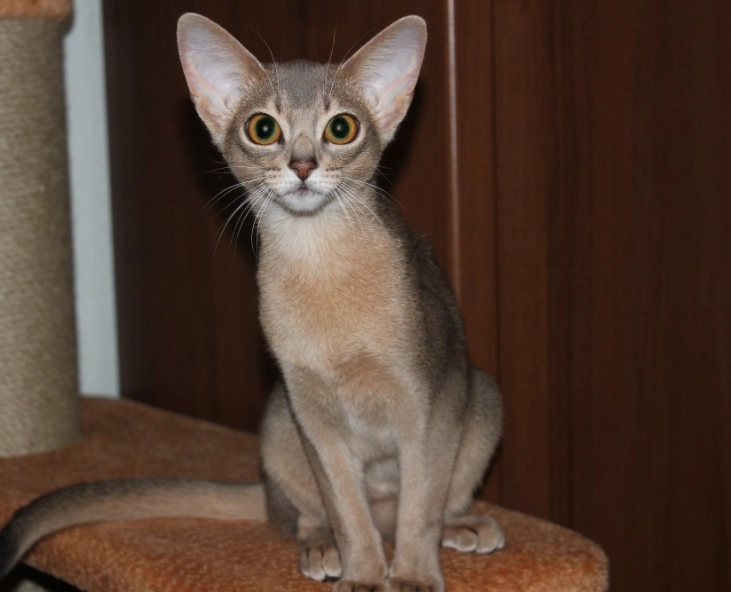
You've seen the photos. That sleek, warm blue-grey coat with darker ticking, those intelligent amber eyes—the Blue Abyssinian is a walking piece of art. But here's the thing most articles get wrong. They treat the "blue" color as just a simple shade variation. It's not. It's a specific, complex genetic expression that defines the cat's entire look and even hints at its care needs. If you're considering one, or just fascinated by them, understanding the blue ticked tabby pattern is key. It's what separates a good-looking cat from a show-stopping Abyssinian.
What You'll Discover in This Guide
What Breed Clubs Mean by "Blue"
Not all greyish Abyssinians are "Blue" in the show ring. Major cat registries have precise definitions. The Cat Fanciers' Association (CFA) and The International Cat Association (TICA) are the big ones, and their standards are the breeder's bible.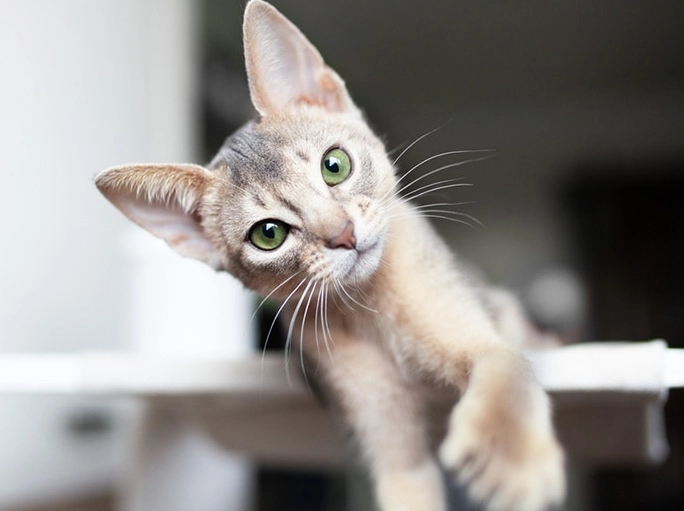
I've judged local shows for years, and the most common mistake I see is people entering a lovely grey cat calling it a Blue, when the ticking isn't right. The base color is crucial.
The Blue Abyssinian Color Breakdown
Think of the coat in three layers:
Base Coat: A warm, creamy beige or oatmeal color. Not a cold, steely grey. This warmth is non-negotiable for a true Blue.
Ticking: Two to three bands of color on each hair. The bands are a deeper slate blue, creating a contrast against the warm base.
Undercolor: The hair shaft closest to the skin should be the same light, warm base color.
| Feature | Cat Fanciers' Association (CFA) Standard | The International Cat Association (TICA) Standard |
|---|---|---|
| Base Color | Warm beige or oatmeal | Light beige or cream |
| Ticking Color | Deep slate blue | Slate blue, providing good contrast |
| Nose Leather | Old rose (dusky pink with grey undertones) | Dusky rose or pink outlined in slate blue |
| Paw Pads | Mauve (pinky-grey) | Mauve or dusky pink |
| Eye Color | Gold, green, or hazel. Amber is preferred. | Gold, green, or hazel. Rich color is desired. |
See the nuance? The nose leather color "old rose" is a dead giveaway for a quality Blue. Pink noses are a fault. This detail is often missed in pet photos online.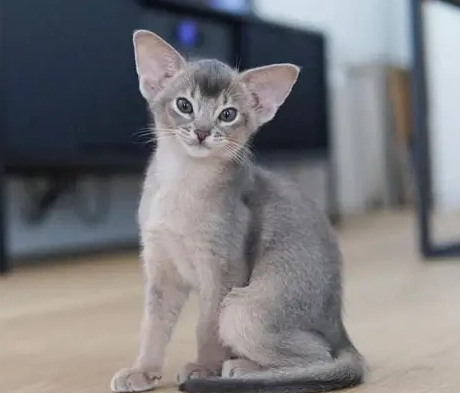
How Do You Get a Blue Abyssinian? The Genetics Simplified
Forget complex Punnett squares. Here's the practical version for an owner or enthusiast.
All Abyssinian colors come from the original "Ruddy" (or "Usual") color, which is a rich burnt orange with black ticking. The Blue color is the result of a genetic modifier called the dilute gene acting on the Ruddy.
Think of it like this: The Ruddy gene provides the ticked tabby pattern. The dilute gene takes the black ticking and "waters it down" to slate blue, and takes the rich orange/fawn base coat and "waters it down" to the warm beige.
Both parents must carry the recessive dilute gene (little 'd') to produce a Blue kitten. If you breed two Blues, you'll only get Blue kittens. But most often, Blues come from parents who are Ruddy but carry the dilute gene.
This is where a breeder's knowledge is critical. A good one tracks these genes.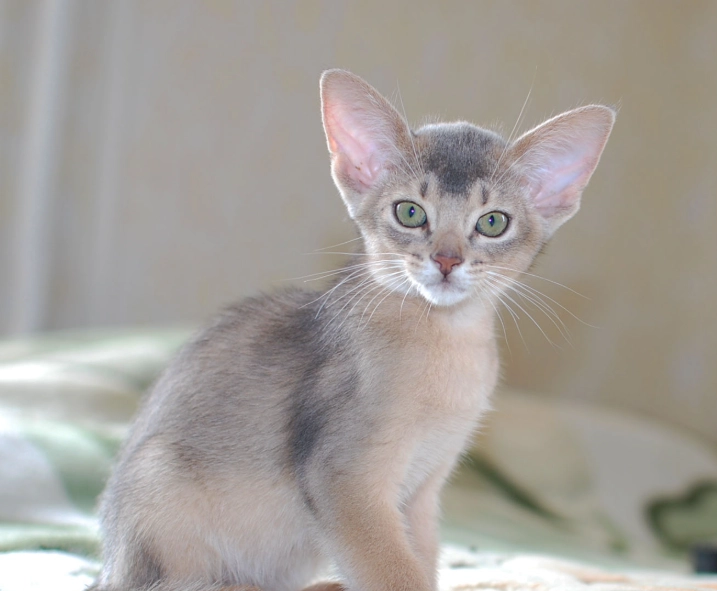
Caring for the Blue Abyssinian Coat: It's Not Just Brushing
That short, dense, ticked coat is low-shedding but not no-maintenance. Its health is a direct window into the cat's overall well-being.
Diet is Everything
A dull, brittle blue coat is often a diet problem. Abyssinians are active and need high-quality animal protein. Look for foods where the first three ingredients are named meats (chicken, salmon, turkey). Omega-3 and Omega-6 fatty acids are your secret weapons for that iridescent sheen. A bit of sardine in spring water once a week can work wonders.
The Grooming Routine
Weekly brushing with a fine-toothed metal comb or a soft rubber grooming mitt is perfect. It removes dead hair, distributes skin oils, and is a great bonding activity. Baths? Rarely needed unless they get into something. Use a cat-specific shampoo if you do—human products strip their natural oils.
Sun exposure can cause the blue coat to "rust" or develop brownish tinges. It's not harmful, but if you're into showing, limit intense sunbathing. For a pet, it's just a quirk.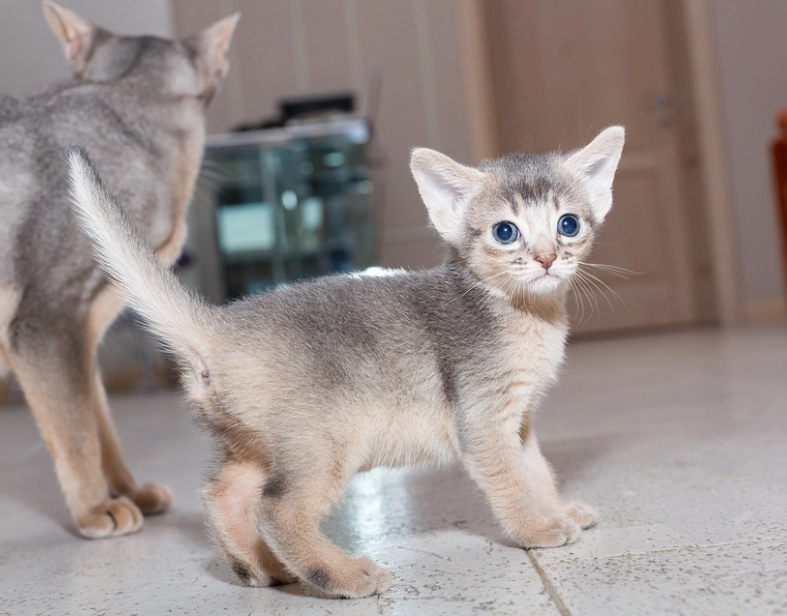
The Cousin Color: What's Up with "Fawn"?
Fawn Abyssinians look like a paler, pinker version of the Blue. The base is a light, rosy cream, and the ticking is a soft cocoa or light coffee color.
Here's the insider take: Genetically, Fawn is a double dilution. It's the dilute gene acting on the Blue color (which is already a dilution of Ruddy). So it's a dilution of a dilution. This is why some breeders argue Fawn isn't a separate color in spirit, just a lighter shade of Blue. The TICA and CFA recognize it separately, but the debate about its genetic robustness pops up in breeding circles. Some claim the line can be less vigorous, though that's heavily debated and depends entirely on the breeding program.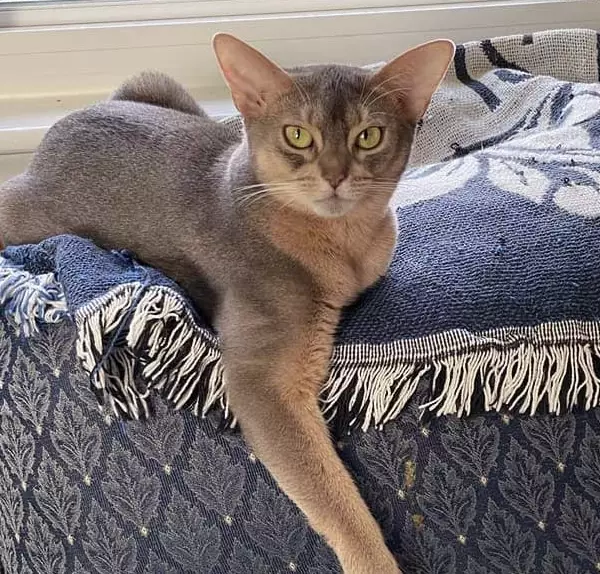
How to Find a Healthy Blue Abyssinian Kitten
This is the most important section. The color is beautiful, but health and temperament come first.
Red Flag #1: A breeder who primarily advertises "rare blue cats." Reputable breeders emphasize health, temperament, and conformance to standard. Color is one part of that.
What to Ask: "Can I see the genetic testing for the parents for PK Deficiency and Progressive Retinal Atrophy (PRA)?" All ethical Abyssinian breeders test for these. If they hesitate, walk away.
Visit: See the kittens and mother in their home. They should be clean, curious, and socialized. Kittens should not leave before 12-16 weeks.
Expect to be on a waitlist. Good breeders don't have litters constantly available. They plan pairings carefully, sometimes hoping for specific colors like Blues within a healthy litter.