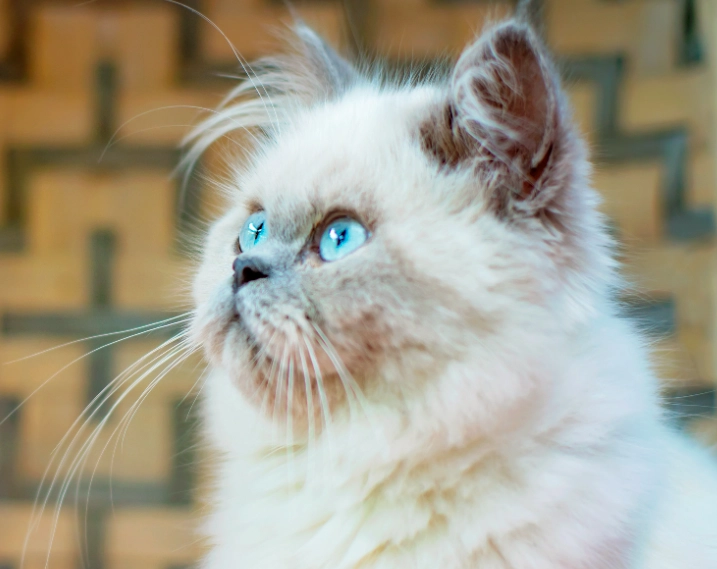
No, they're not the same. If you're looking at those big, fluffy cats and wondering, you're not alone. I've been around cats for over a decade, and I still see people mix them up. Siberian cats and Maine Coons are both large, long-haired breeds, but they come from different parts of the world, have distinct personalities, and need different care. Let's cut to the chase: choosing between them isn't just about fluff—it's about matching a cat to your lifestyle.
What You'll Learn in This Guide
Physical Differences: More Than Just Fluff
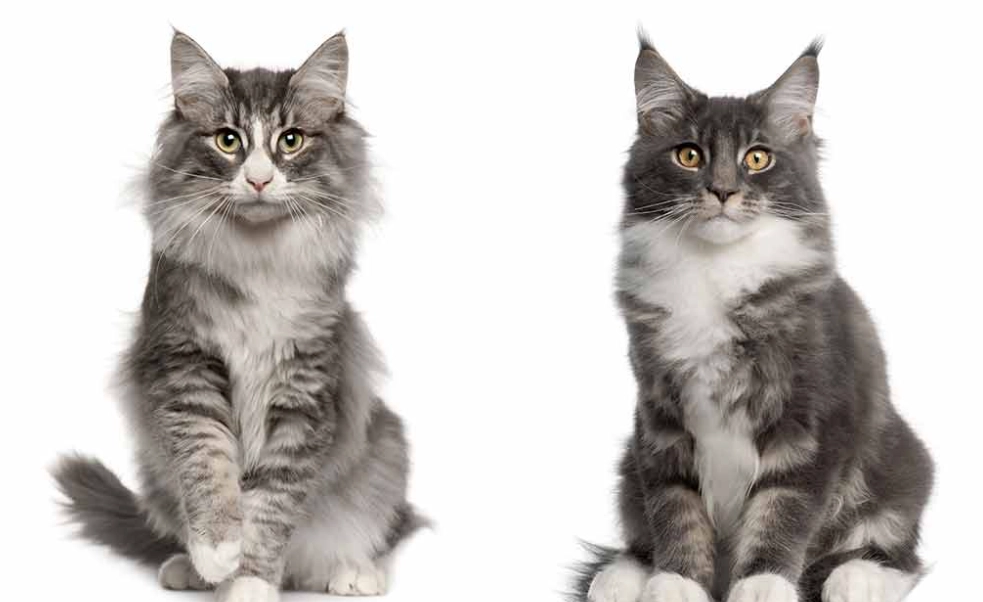
At first glance, both breeds are big and hairy, but look closer. Siberians hail from Russia, developed to survive cold winters, while Maine Coons are from the northeastern U.S., often called "gentle giants." Their builds tell different stories.
Size and Weight: Who's Bigger?
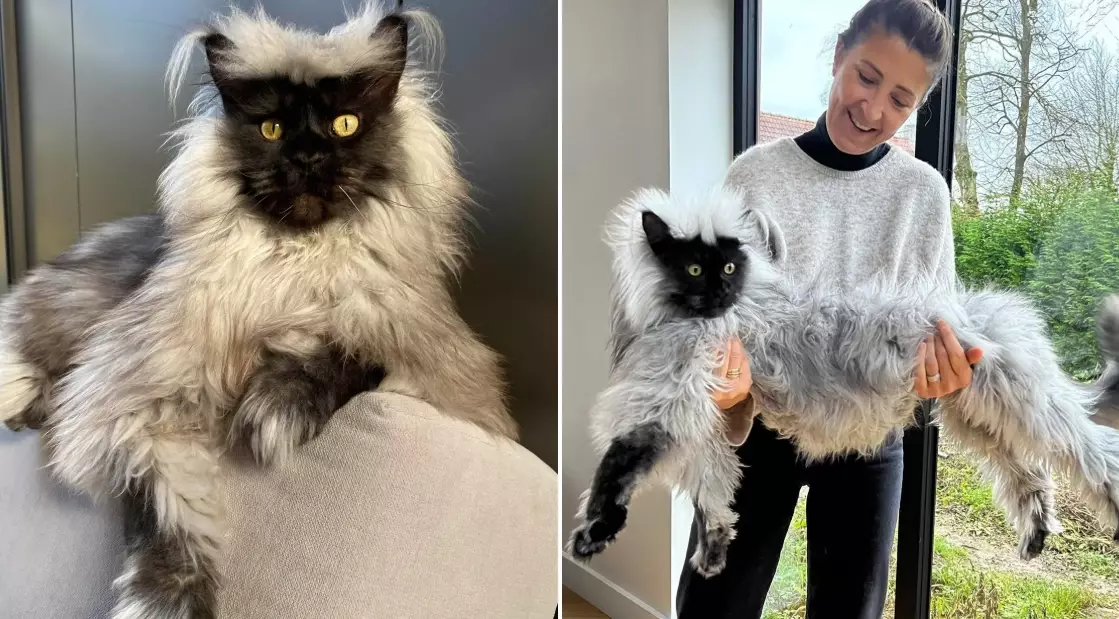
Maine Coons generally take the crown for size. Males can weigh 13-18 pounds, with some hitting over 20 pounds. Siberians are sturdy too, but males typically range 12-17 pounds. I've met a Maine Coon named Leo who was 22 pounds—a real lap-filler, but not fat, just broad. Siberians feel more compact, muscular, like a wrestler compared to a basketball player.
Coat and Colors: Texture Matters
Siberian cats have a triple coat: dense undercoat, middle layer, and water-resistant topcoat. It's thick, perfect for Russian winters, and comes in all colors except pointed patterns like Siamese. Maine Coons have a silky, long coat with a ruff around the neck, but it's less dense. Their coat is easier to maintain in humid climates, and they often have tabby patterns. Touch them, and you'll feel the difference—Siberian fur is plush, Maine Coon fur flows.
Quick Tip: If you hate vacuuming, note that Siberians shed seasonally, blowing their coat twice a year. Maine Coons shed more consistently but less intensely. My friend's Siberian leaves tumbleweeds of fur in spring; her Maine Coon just leaves a fine dust.
| Feature | Siberian Cat | Maine Coon |
|---|---|---|
| Origin | Russia | United States (Maine) |
| Average Weight (Male) | 12-17 lbs | 13-18 lbs |
| Coat Type | Triple, dense, plush | Silky, long, less dense |
| Common Colors | All colors except pointed | Often tabby, various colors |
| Eye Shape | Rounded, large | Oval, slightly slanted |
Personality and Temperament: Beyond the Cuddles
This is where breeds really diverge. People call Maine Coons "dog-like," but Siberians have their own quirks. I've owned both, and their temperaments shaped my daily routine.
Siberian Cat Personality: The Agile Companion
Siberians are playful, curious, and surprisingly agile. They love to climb and jump—think of them as the acrobats of the cat world. They're affectionate but not clingy; mine would follow me around, then dart off to chase a toy. They're good with kids, but their energy means they need space to burn it off. Some say they're hypoallergenic, but that's a myth for many; their saliva has lower Fel d 1 protein, but it varies by individual.
Maine Coon Personality: The Gentle Giant
Maine Coons are laid-back, social, and yes, dog-like. They enjoy fetching, greeting guests, and even walking on a leash. They're less likely to climb curtains and more likely to nap at your feet. Their chirping sounds are unique—a mix of meow and trill. I recall a Maine Coon who'd carry toys in his mouth like a retriever. They're patient with children, making them a top pick for families.
One nuance: Maine Coons can be reserved with strangers initially, while Siberians might investigate immediately. It's a subtle difference, but it affects how they adapt to new environments.
Care and Health Needs: What You're Signing Up For
Owning a large cat isn't just about feeding them; it's about commitment. Both breeds have specific needs that many first-timers overlook.
Grooming Requirements: Brushing Battles
Siberians need weekly brushing to prevent mats, especially during shedding seasons. Use a slicker brush and a comb—skip it, and you'll have tangles. Maine Coons also need weekly grooming, but their silky coat is more forgiving. I've seen owners neglect Maine Coon grooming, leading to painful knots behind the ears. A common mistake: using the wrong brush. For Siberians, a metal comb works best; for Maine Coons, a bristle brush.
Common Health Issues: Know the Risks
Both breeds are generally healthy, but predispositions exist. Maine Coons are prone to hypertrophic cardiomyopathy (a heart condition) and hip dysplasia. Regular vet checks are crucial. Siberians can have hereditary heart issues too, but less frequently. They're more robust against colds, thanks to their origins. According to the Cat Fanciers' Association, responsible breeders screen for these conditions—always ask for health certificates.
Diet matters more than you think. Large breeds need controlled portions to avoid obesity. I've met overweight Maine Coons that struggled with joint pain; Siberians, being more active, handle weight better.
Choosing the Right Breed for Your Home
Deciding isn't about which cat is "better"—it's about fit. Consider your living situation, time, and allergies.
For Families with Children
Maine Coons often win here. Their calm demeanor and tolerance make them great with kids. Siberians are playful but might get overstimulated by loud noises. If your home is busy, a Maine Coon adapts easier. I've seen families where the Siberian hid during parties, while the Maine Coon joined the fun.
For Allergy Sufferers
Siberians are marketed as hypoallergenic, but it's not guaranteed. Their lower Fel d 1 levels help some people, but others still react. Spend time with one before committing. Maine Coons shed more dander, so they're less allergy-friendly. A friend with mild allergies did fine with a Siberian but sneezed around Maine Coons.
Cost is another factor. Siberian kittens can cost $1,200-$2,000 from reputable breeders, Maine Coons $800-$1,500. Adoption is cheaper, but purebreds are rare in shelters.
FAQs: Your Burning Questions Answered
In the end, Siberian cats and Maine Coons are distinct companions. One isn't a substitute for the other. If you want a playful, agile friend, go Siberian. If you prefer a gentle, social giant, choose Maine Coon. Visit breeders, meet the cats, and trust your gut—your home will thank you.