Jump to What You Need
If you're looking at Abyssinian cats, you've probably noticed their stunning, ticked coats that seem to shimmer in the light. But what colors do Abyssinian cats come in? It's not just one shade—there's a whole palette out there, from the classic ruddy to the rare fawn. I've been around Abyssinians for over a decade, and I still get surprised by how their colors can change with age and care. Let's dive right in: Abyssinians primarily come in four standard colors recognized by major cat associations like the Cat Fanciers' Association (CFA) and The International Cat Association (TICA): ruddy, blue, fawn, and cinnamon. But there's more to it than just names.
You might think it's all about appearance, but color ties into genetics, health, and even personality myths. I remember when I first got my ruddy Abyssinian, Leo—I assumed his coat would stay the same, but it darkened over time. That's a common oversight many new owners make.
The Standard Abyssinian Cat Colors
Most people picture a warm, reddish-brown cat when they hear "Abyssinian," and that's the ruddy color. But let's break down each standard color based on my observations and breed standards.
Ruddy: The Classic Abyssinian Color
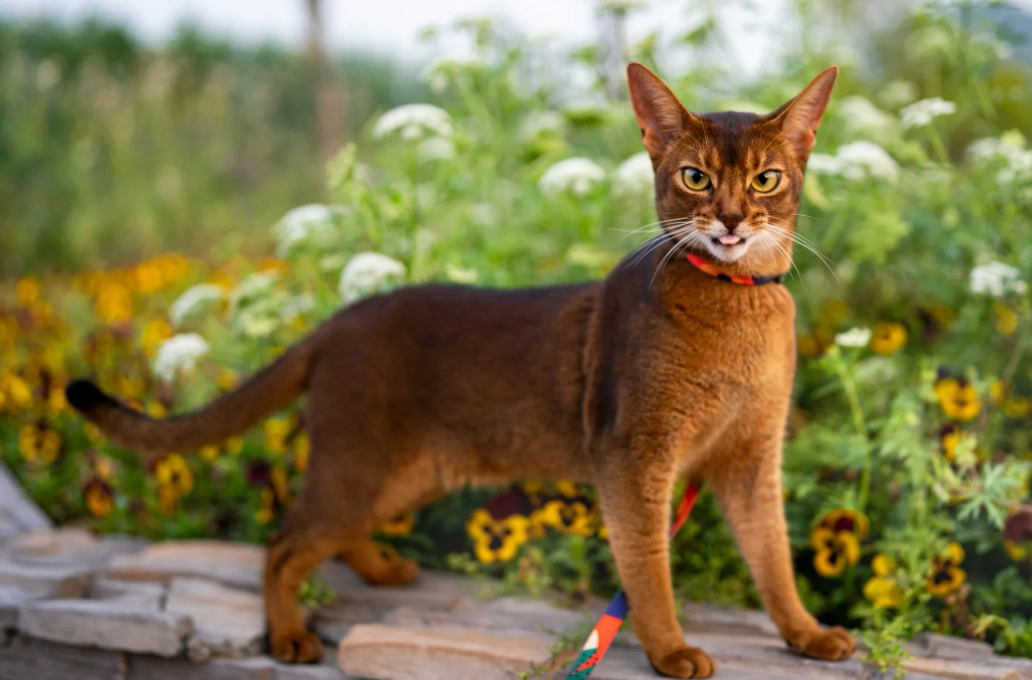
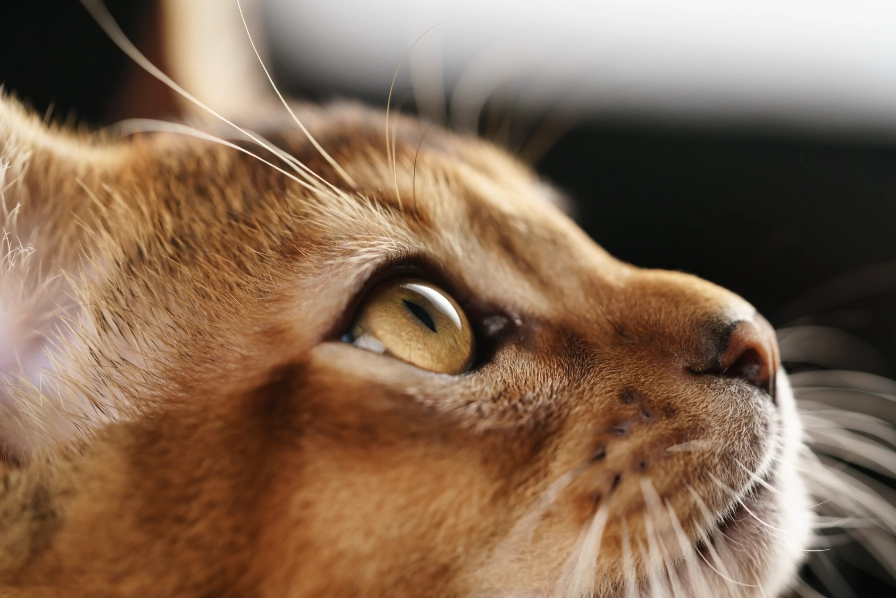
Ruddy is the most common and iconic Abyssinian color. It's a rich, burnt orange or reddish-brown base with black ticking—that's the banding on each hair that gives the coat its depth. The underside is usually a lighter apricot or cream. In sunlight, it can look almost golden. I've seen ruddy Abyssinians that range from a deep copper to a lighter tawny shade, depending on genetics and environment.
One thing beginners miss: ruddy isn't just "brown." It's a complex mix of pigments, and the ticking pattern is crucial. If the ticking is too faint, the cat might not meet show standards, but it's still a beautiful pet.
Blue: A Cool and Elegant Variation
Blue Abyssinians have a soft, bluish-gray base with darker slate-blue ticking. The undercoat is a pale cream or oatmeal color. It's less common than ruddy but gaining popularity. I find blue Abyssinians have a more subdued, elegant look—perfect for someone who wants a unique color without the reddish tones.
Care tip: Blue coats can sometimes show dirt more easily, so regular grooming is key. But don't over-bathe; it can strip natural oils.
Fawn: The Delicate and Rare Hue
Fawn is a light, creamy beige color with darker cocoa-brown ticking. It's one of the rarest Abyssinian colors, and I've only met a handful in person. The effect is subtle and almost pastel-like. Fawn Abyssinians often have a pinkish nose leather and paw pads, which adds to their delicate appearance.
Because it's rare, some breeders charge more for fawn kittens. But in my opinion, color shouldn't be the main factor—health and temperament matter more.
Cinnamon: A Warm, Reddish-Brown Alternative
Cinnamon is similar to ruddy but with a warmer, lighter reddish-brown base and cinnamon-brown ticking. It's recognized by some associations but not all. I've noticed cinnamon Abyssinians can look almost like a diluted ruddy, but with a distinct coppery glow. It's a gorgeous color that catches the eye in natural light.
Here's a quick table to summarize the standard Abyssinian cat colors:
| Color Name | Base Coat Color | Ticking Color | Underside Color | Recognition (e.g., CFA) |
|---|---|---|---|---|
| Ruddy | Warm reddish-brown | Black | Apricot or cream | Yes, standard |
| Blue | Bluish-gray | Slate-blue | Pale cream | Yes, standard |
| Fawn | Light creamy beige | Cocoa-brown | Ivory | Yes, standard |
| Cinnamon | Light reddish-brown | Cinnamon-brown | Pinkish-beige | Yes, in some associations |
Note: Some sources mention "sorrel" as a color, but it's often synonymous with cinnamon or a variation. Always check with breed standards if you're into showing.
Understanding Abyssinian Cat Color Genetics
Why do Abyssinians have these specific colors? It's all in the genes. The ticking pattern is controlled by the agouti gene, which causes banding on each hair. Abyssinians are homozygous for ticked tabby—meaning they always show ticking, unlike other cats that might have stripes or spots.
The base colors come from dilution genes. For example, ruddy is the full expression, while blue is a diluted form of black-based colors. Fawn is a further dilution of cinnamon. I once talked to a geneticist who explained that the "blue" color results from a recessive dilution gene (d), and both parents must carry it to produce blue kittens.
A common mistake: assuming color genetics are simple. In reality, multiple genes interact, and even experienced breeders can be surprised by kitten colors. If you're breeding, genetic testing is wise to avoid unexpected outcomes.
How Color Genes Work in Abyssinians
The primary genes involved are: agouti (A) for ticking, black (B) for pigment type, and dilution (D) for color intensity. Ruddy cats typically have B- and D- genes, while blue cats have B- but are dd (diluted). Fawn involves cinnamon variants (b gene) and dilution.
It gets technical, but for pet owners, the key takeaway is that color inheritance isn't random. If you want a specific color, choose a breeder who understands these genetics and can provide lineage records.
Factors That Affect Abyssinian Cat Colors
Color isn't static—it can change over time due to various factors. From my experience, here are the big ones.
Age and Color Development
Abyssinian kittens are born with darker coats that lighten as they mature. The ticking becomes more pronounced around 6 months to a year. My cat Leo's ruddy coat was almost muddy as a kitten, but by age two, it had deepened into a rich copper. Don't judge a kitten's final color too early.
Sun Exposure and Coat Fading
Just like human hair, sun can bleach a cat's coat. Ruddy Abyssinians might develop a sun-bleached, reddish tint if they spend too much time in direct sunlight. I've seen outdoor Abyssinians with faded coats—it's not harmful, but it can alter appearance. For show cats, limiting sun exposure helps maintain color vibrancy.
Diet and Coat Health
A poor diet can lead to a dull, lifeless coat. Omega-3 fatty acids from fish oil or high-quality cat food can enhance color shine. I recommend foods with real meat as the first ingredient; avoid fillers like corn. Supplements can help, but consult a vet first.
Stress and health issues also affect coat quality. If your Abyssinian's color seems off, check for underlying problems like allergies or thyroid issues.
Common Misconceptions About Abyssinian Cat Colors
Let's clear up some myths I've encountered over the years.
Myth 1: All Abyssinians are ruddy. Nope—blue, fawn, and cinnamon are equally valid and beautiful.
Myth 2: Color indicates personality. Some say ruddy Abyssinians are more active, but in my experience, color has zero correlation with temperament. It's all about individual personality and upbringing.
Myth 3: Rare colors are healthier. Not true. Fawn or blue cats aren't inherently healthier; it's the breeding practices that matter. Avoid breeders who prioritize color over health testing.
Myth 4: You can predict adult color from kitten photos. Hard to do—kittens change a lot. Always ask the breeder for parent photos and lineage.
How to Care for Your Abyssinian's Coat
Maintaining that gorgeous color requires some effort. Here's my routine based on trial and error.
Grooming: Abyssinians have short, dense coats that shed minimally. Brush once a week with a soft bristle brush to remove loose hair and distribute oils. This keeps the coat shiny and enhances color depth. I use a rubber grooming mitt—Leo loves it.
Bathing: Only bathe if necessary, like if they get into something dirty. Use a cat-specific shampoo to avoid drying out the skin. Over-bathing can strip oils and make the coat look dull.
Diet: Feed a high-protein diet. I've had good results with brands that include salmon or chicken as main ingredients. Some owners add a teaspoon of coconut oil for extra shine, but check with your vet first.
Environmental factors: Keep your cat indoors to prevent sun fading and dirt accumulation. Provide scratching posts to maintain healthy skin and coat.
It's not rocket science, but consistency matters.
Your Abyssinian Color Questions Answered
Wrapping up, Abyssinian cat colors are a blend of genetics, care, and a bit of magic. Whether you prefer the classic ruddy or the subtle fawn, each color has its charm. Remember, color is just one aspect—what really matters is the bond you build with your cat. If you're choosing a kitten, look beyond color to temperament and health. And if you already have an Abyssinian, cherish that unique coat, whatever shade it is.
I hope this guide helps you navigate the colorful world of Abyssinians. Feel free to share your own experiences—I'd love to hear about your cat's color journey.