So you've fallen for an Abyssinian cat. Those huge ears, that ticked coat, the playful intelligence. You've also probably heard they're one of the so-called "hypoallergenic" cat breeds. It's a compelling sales pitch for allergy sufferers dreaming of feline companionship. Here's the raw truth I've learned after years of breeding Abysys and talking to countless owners: calling any cat "hypoallergenic" is mostly marketing. Abyssinians can be a better choice for some people with allergies, but they are not a magic cure. The real question isn't "Are they hypoallergenic?" but "Why might they be less problematic, and what can you actually do about it?" Let's cut through the myths.
What You'll Find in This Guide
The Aby Coat: Why It's Different (And Why That Matters)
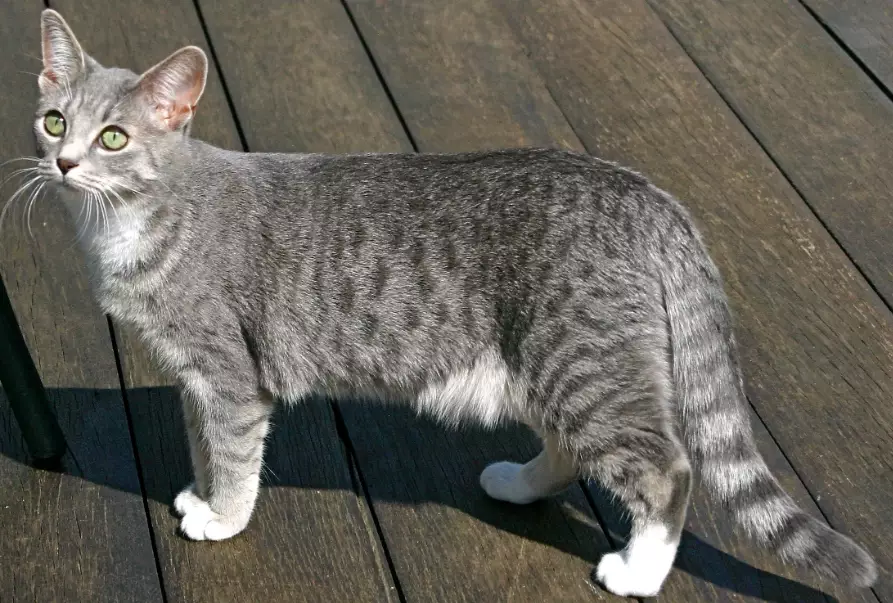
Abyssinians have a unique single coat. Unlike Persians or Maine Coons with dense, multi-layered fur, an Aby's coat is short, fine, and lies very close to the body. Each hair is "ticked" with multiple bands of color, but structurally, it's sleek.
This matters for one big reason: shedding and dander distribution.
All cats produce dander (dead skin cells). The allergen protein (Fel d 1) is primarily in their saliva and sebaceous glands. When they groom, it gets on their fur. When the fur sheds, it becomes airborne dander-carrying vehicle. The less loose fur floating around, the fewer airborne allergen carriers.
Abyssinians do shed, but it's often less noticeable than with double-coated breeds. You won't find tumbleweeds of fur rolling across your floor. That's the source of the "hypoallergenic" label. It's a reduction in the delivery mechanism, not the allergen itself.
A Common Misstep: People assume a short-haired cat equals low allergen. Not true. Many short-haired domestic cats produce massive amounts of Fel d 1. The Aby's potential advantage isn't just hair length, but the combination of coat type and, anecdotally from many breeders, possibly lower glandular output of the protein. No solid studies confirm the latter, but the lived experience of many allergic owners points to something being different.
Allergen Science 101: It's Not The Hair, It's The Protein
Let's get specific. The primary culprit for 95% of cat allergies is a protein called Fel d 1. It's produced in salivary and sebaceous (skin) glands. Here’s the cycle:
- Cat grooms itself, depositing saliva (loaded with Fel d 1) onto its fur.
- Saliva dries, and the protein becomes attached to dander (microscopic skin flakes).
- Lightweight dander becomes airborne, settling on furniture, clothes, and in your lungs.
Male cats, especially intact ones, typically produce more Fel d 1 than females. Neutering/spaying can reduce the levels. This is a critical, often overlooked detail. If you're highly sensitive, opting for a spayed female Abyssinian might give you the best statistical shot.
Other allergens exist (like Fel d 4 in urine), but Fel d 1 is public enemy number one. The goal of any allergy management plan is to interrupt this cycle at as many points as possible.
Is It an Allergy? Your Symptom Checklist
Reactions can range from mildly annoying to severe. Do you experience any of these around cats?
- Respiratory: Sneezing fits, runny or stuffy nose, postnasal drip, coughing, wheezing, tightness in chest, shortness of breath.
- Ocular: Red, itchy, watery eyes that look like you've been crying.
- Dermal: Hives or a raised rash where the cat licked or scratched you. General itchiness.
The severity can depend on the individual cat, not just the breed. I've seen someone react terribly to one Aby and be fine with another from the same litter. The only surefire way to know is exposure. Before committing, ask the breeder or rescue for a lengthy visit. Sit in the same room for a few hours. Let the cat rub on you. See what happens.
Getting a Definitive Answer: Testing Options
If you're serious, see an allergist. They can perform:
- Skin Prick Test: Small amounts of allergen extracts (including cat dander) are pricked into your skin. A raised bump indicates a reaction.
- Blood Test (Specific IgE): Measures the level of allergy-causing antibodies in your blood.
These tests confirm a cat allergy in general. They won't tell you how you'll react to a specific Abyssinian. For that, the real-world visit is irreplaceable.
Your Actionable Plan for Living with an Aby (Allergy Edition)
Okay, you've done your visit, symptoms were manageable, and you're bringing an Aby home. This is where your habits determine your comfort. Think of this as a multi-layered defense system.
Layer 1: Environmental Control (Your Home as a Safe Zone)
The Air Purifier is Non-Negotiable. Get a true HEPA filter purifier, sized for your main living area/ bedroom. Run it 24/7. Place it where the cat sleeps. This captures airborne dander. Don't cheap out here.
Create an Allergy-Free Bedroom. This is the hardest rule but the most effective: keep the cat out of your bedroom. It gives your immune system 8 hours of undisturbed recovery each night. Make it a sanctuary with clean air and allergen-free bedding.
Furniture and Fabrics. Choose leather, vinyl, or wood furniture over cloth. Use washable slipcovers. Vacuum upholstery weekly with a HEPA-filter vacuum. Replace carpets with hard flooring if possible (rugs can be washed).
Layer 2: Cat-Centric Strategies
Bathing the Cat. Controversial, but effective. Bathing with plain water can wash away surface allergens. Do it monthly if your cat tolerates it. Start young. More frequent washing can dry out their skin.
Wiping Down. A more practical daily solution. Use a damp cloth or commercial pet allergen wipes (like Allerpet) to wipe your cat down every day or two. Focus on the back and sides where they groom most.
Diet. Emerging research is fascinating. Purina's LiveClear diet includes an egg-based protein that, when fed to the cat, binds to Fel d 1 in their saliva and neutralizes it. It's not a cure-all, but studies and owner reports show a significant reduction in active allergens on the cat's fur. It's worth discussing with your vet.
Layer 3: Personal Care
Wash your hands after petting. Don't rub your eyes. Consider changing clothes after long cuddle sessions. Over-the-counter antihistamines (like cetirizine or loratadine) or nasal corticosteroid sprays can be used as needed, but consult your doctor first.
| Strategy | Action | Frequency | Expected Impact |
|---|---|---|---|
| HEPA Air Purifier | Run in main living area & bedroom | 24/7 | High - reduces airborne allergens |
| Cat-Free Bedroom | Keep door closed, use air purifier inside | Permanent rule | Very High - provides daily relief |
| Allergen-Reducing Wipes | Wipe cat's fur with damp cloth or commercial wipe | Daily or every other day | Medium - removes surface allergens |
| HEPA Vacuuming | Vacuum floors, furniture, and drapes | 2-3 times per week | Medium - removes settled dander |
| LiveClear Diet (Consult Vet) | Feed cat specialized kibble | Daily | Medium - may reduce Fel d 1 in saliva |
| Wash Bedding & Slipcovers | Use hot water cycle | Weekly | Medium - eliminates accumulated allergens |
Your Burning Questions Answered
The bottom line is this: Abyssinian cats offer a promising path for many allergy sufferers, but they are not a free pass. They require work, investment in the right tools (air purifiers, vacuums), and disciplined habits. The reward—the companionship of one of the most engaging, dog-like, and entertaining cat breeds in the world—is, in my opinion and the opinion of thousands of smitten owners, worth the effort. Do your due diligence, visit before you buy, and be prepared to manage your environment proactively. Your nose—and your new Aby—will thank you.
For further reading on allergen science, the Asthma and Allergy Foundation of America provides reliable, research-backed information.