Let's talk about the Abyssinian cat's red coat. You've probably seen pictures—that warm, burnt sienna color that seems to glow from within. It's the breed's signature look, officially called "ruddy." But here's the thing most articles don't tell you: that iconic color is a masterpiece of genetics and texture, not just a simple paint job. It's also a commitment. I've had Aby companions for over a decade, and while their personality is legendary, caring for that gorgeous red coat requires a specific approach many new owners aren't prepared for. This guide will dig into everything: what makes that red coat tick, how to keep it stunning, and whether a "ruddy" Aby is the right fit for your home.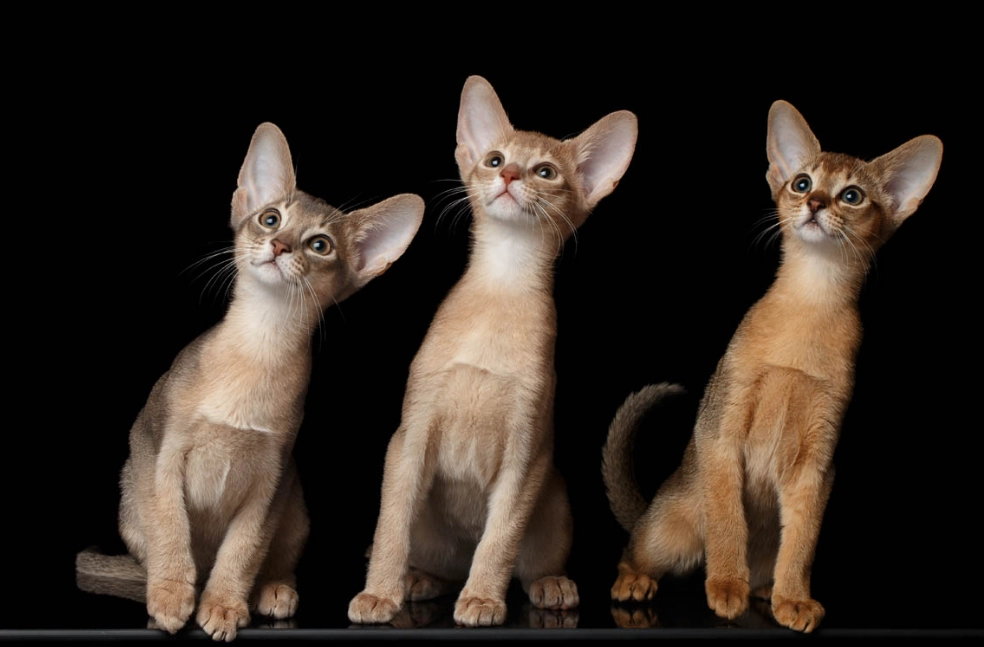
What's Inside This Guide?
What Exactly is the "Red" Abyssinian Cat Coat?
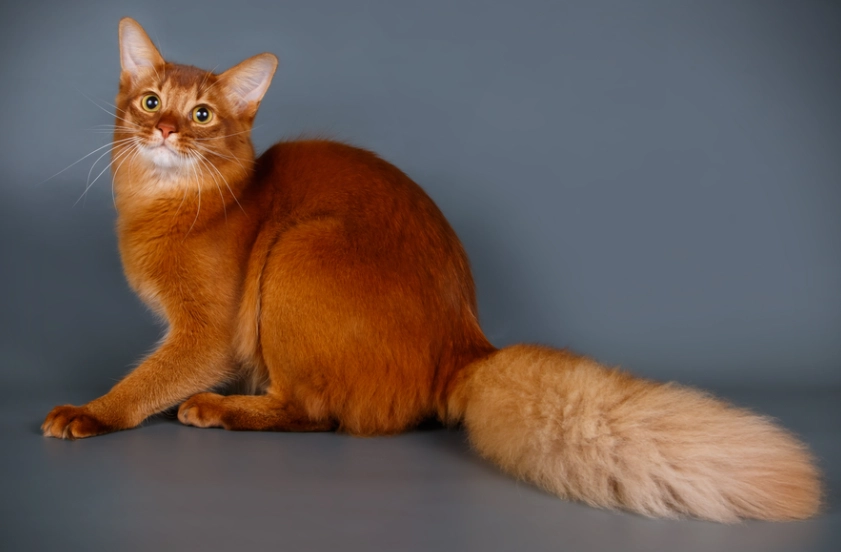
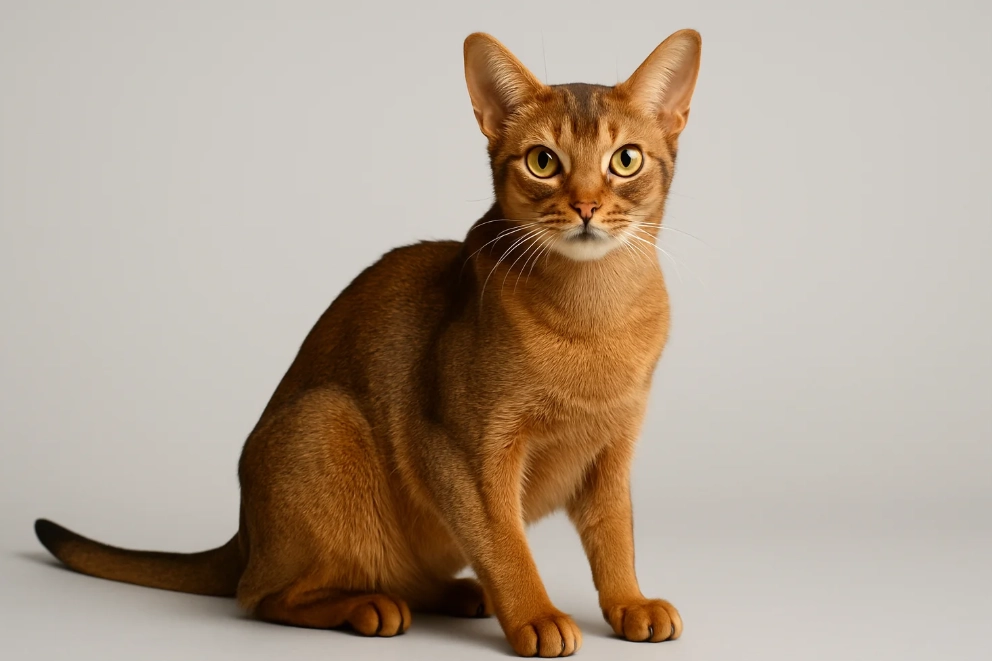
First, let's clear up the terminology. In the cat fancy world, "red" is often used for what we call orange or ginger cats. The Abyssinian's classic color is technically "ruddy." Think of a ripe apricot crossed with burnt copper. The magic isn't in a flat color, but in "ticking" or "agouti" banding. Each hair has 4-6 alternating bands of light and dark color, with a dark tip. This creates a shimmering, warm depth that no solid coat can match. The undercoat is a rich orange-buff, while the darker bands are black or dark brown. The overall effect? Pure sunlight.
The Cat Fanciers' Association (CFA) breed standard describes the ruddy color as "burnt sienna, ticked with darker black or brown." The ticking should be even, with no tabby stripes or bars on the body—a common fault in poorly bred lines. The nose leather should be tile red, and the paw pads black or dark brown. Getting this right is a breeder's art.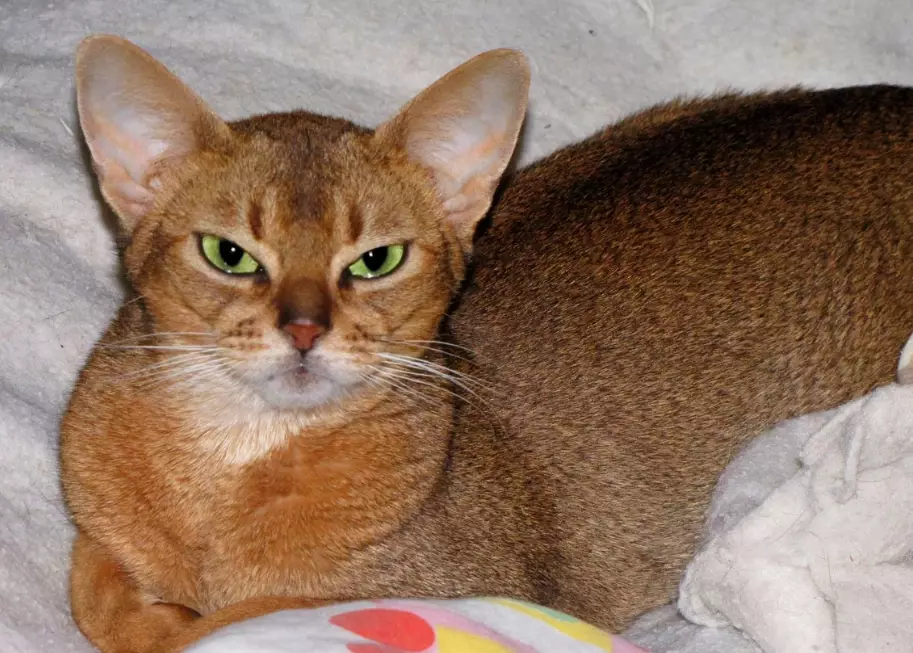
The Genetics Behind the Ruddy Abyssinian Color
This isn't just trivia. Understanding the genetics helps you appreciate the breed and spot responsible breeders. The ruddy color is the original and most common Abyssinian color. It's governed by the dominant "A" (agouti) gene, which enables the banding, and the black pigment (B) gene series. The specific combination for ruddy is Black-based with the agouti gene (A- B-). The "-" means the other allele can be anything; the dominant genes do the work.
All other Abyssinian colors (blue, fawn, cinnamon/sorrel) are dilutions or variations of this ruddy base. For example, the "sorrel" or "red" (in some registries) is actually a cinnamon-based color, which is a different mutation on the B gene, giving a lighter, coppery-red tone. True "red" (as in the ginger gene, O) is very rare and not standard in Abyssinians. A good breeder will be able to explain the genetic codes of their kittens' parents.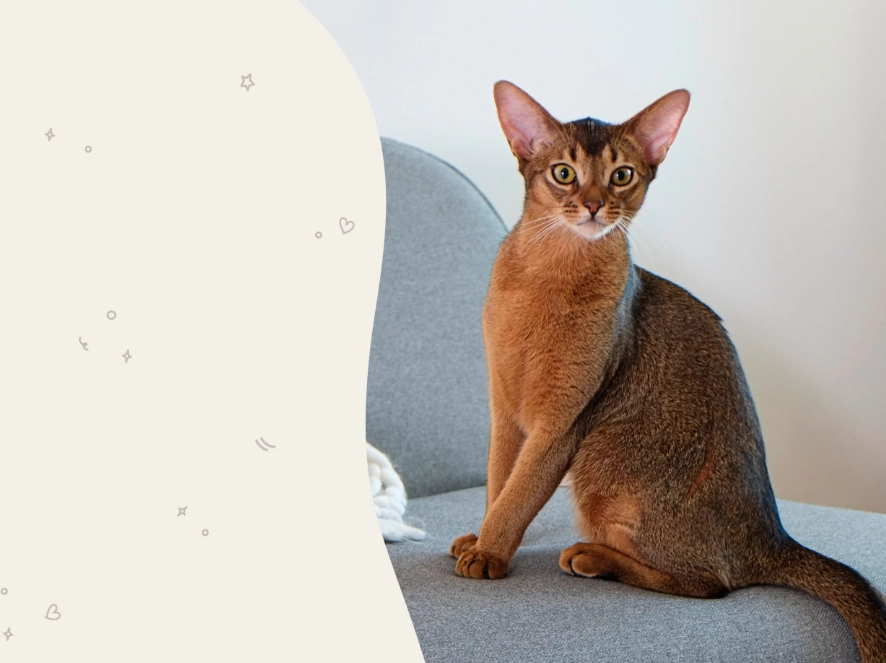
How Ruddy Compares to Other Aby Colors
| Coat Color | Genetic Base | Appearance | Rarity |
|---|---|---|---|
| Ruddy | Black (B) + Agouti (A) | Warm burnt sienna with black ticking | Most Common / Original |
| Sorrel (Cinnamon) | Cinnamon (bl) + Agouti (A) | Coppery-red with cinnamon ticking | Common |
| Blue | Black + Dilute (d) + Agouti | Soft warm beige with slate blue ticking | Less Common |
| Fawn | Cinnamon + Dilute (d) + Agouti | Light creamy rose with light cocoa ticking | Rarest |
How to Care for a Red Abyssinian Cat's Coat
Maintaining that luminous ruddy coat is straightforward but non-negotiable. It's not about vanity; it's about skin health and reducing the infamous Aby shed.
The Weekly Grooming Ritual
Forget daily sessions. A thorough once-a-week groom is perfect. Here's my proven routine:
- Step 1: The Rubber Brush. Start with a soft rubber grooming brush or mitt. This is the MVP for short coats. It grabs all the loose undercoat without irritating the skin. Glide it over the body in the direction of hair growth. You'll be amazed at the amount of fine red hair it collects.
- Step 2: The Fine-Toothed Comb. Use a fine-toothed steel comb around the neck, behind the ears, and on the breeches (back legs). These are areas where dead hair can mat—yes, short-haired cats can get mild mats.
- Step 3: The Shine & Dust-Off. Finish with a quick wipe-down using a damp chamois cloth or a silicone grooming glove. This removes any last loose hairs and brings up an incredible shine, making that ticking really pop.
Bathing? Rarely needed unless they get into something. If you do bathe, use a gentle, moisturizing shampoo to avoid drying out their skin and dulling the coat. A breeder once told me a tiny drop of salmon oil in their food can enhance coat richness, but check with your vet first.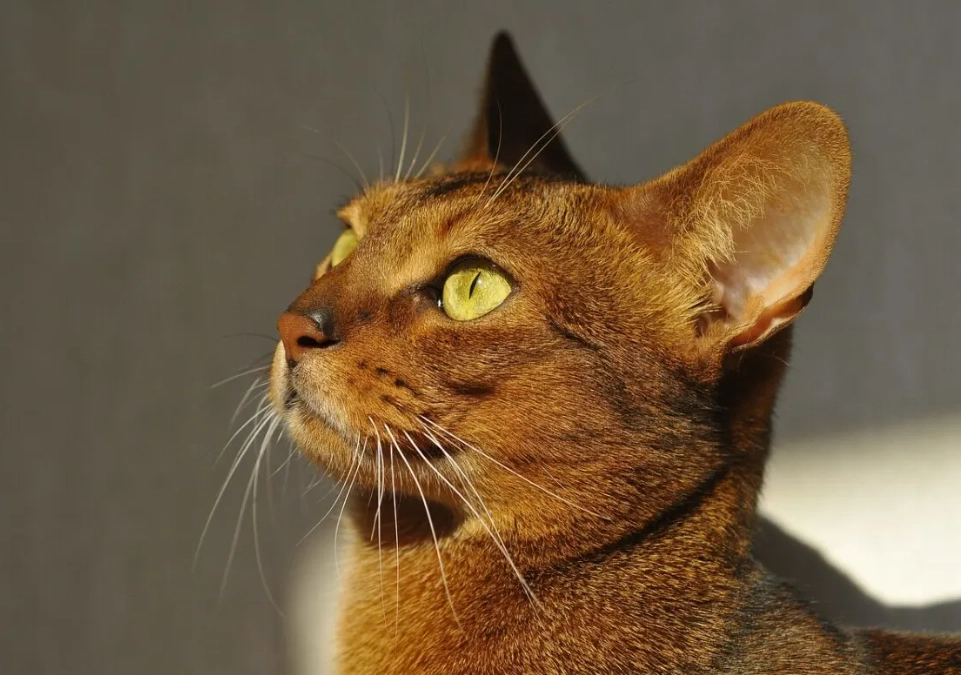
Health Linked to the Ruddy Coat
The coat color itself doesn't cause disease, but the Abyssinian breed has some predispositions. A responsible ruddy Aby breeder will screen for these. The two big ones are:
Progressive Retinal Atrophy (PRA): A degenerative eye disease that can lead to blindness. Reputable breeders test parents (via a DNA test) to ensure they are not carriers. Always ask for proof of these tests.
Patellar Luxation: A slipping kneecap. This is more of a structural issue, but a good breeder will have their breeding cats evaluated. A healthy cat moves gracefully, and that ruddy coat should ripple over firm muscles, not hide a frail frame.
Their skin can be sensitive. I've seen some ruddy Abyssinians react to low-quality plastic food bowls (causing chin acne) or certain fabrics. Stainless steel or ceramic bowls are best.
Is a Ruddy Abyssinian Cat Right for You?
Look beyond the coat. That red fur comes attached to a whirlwind of a personality. Abyssinians are often called "Aby-grabbies" for their curious, mischievous nature. They need interaction, vertical space, and puzzle toys. If you want a decorative lap cat that sleeps all day, look elsewhere. This is a companion that will help you "work" on your computer, inspect your groceries, and demand play sessions.
Consider your lifestyle. They can get lonely and destructive if left alone for long hours daily. Their coat, while beautiful, will be on your clothes, furniture, and maybe even in your coffee. A good air purifier is a worthy investment.
If you're ready for an active, engaging, and stunningly beautiful feline friend, the ruddy Abyssinian is unparalleled. Just go in with your eyes open. Find a breeder who prioritizes health and temperament over just producing that perfect ruddy color. The International Cat Association (TICA) and CFA websites have breeder directories.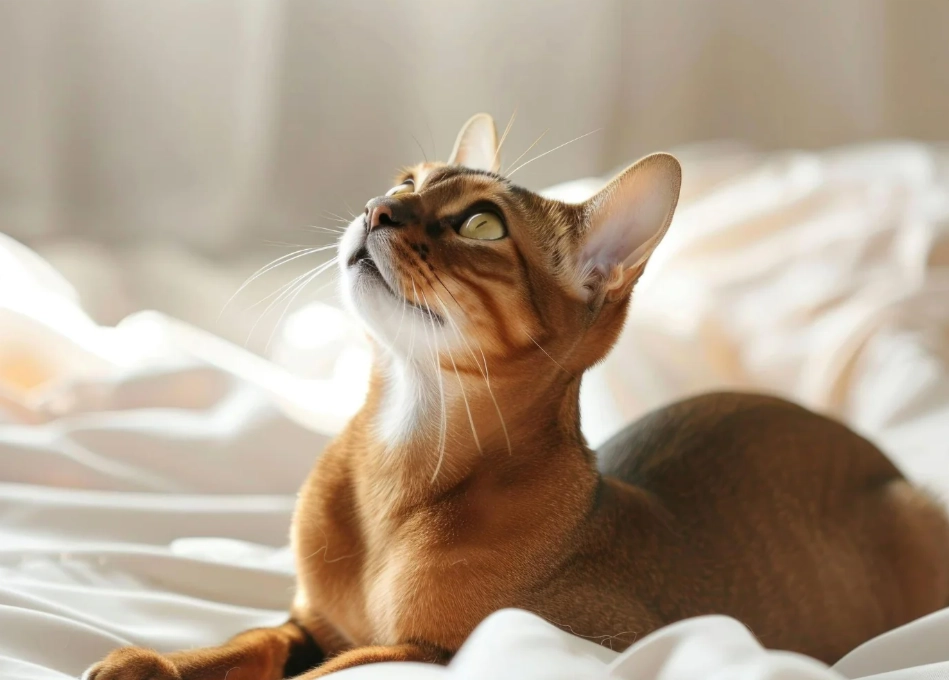
Your Red Abyssinian Questions Answered
 What's the biggest mistake new owners make with their red Abyssinian's coat care?