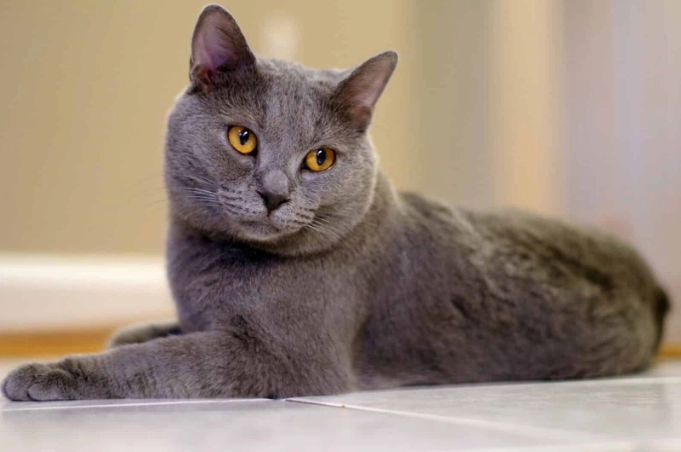
Let's get straight to the point. If you're an allergy sufferer dreaming of a feline friend, you've probably heard the Cornish Rex mentioned as a "hypoallergenic cat." The short answer is yes, they are often a better choice for people with mild to moderate cat allergies compared to most other breeds. But that "hypoallergenic" label is more of a hopeful guideline than an ironclad guarantee. No cat is 100% allergen-free. The real story lies in understanding why Cornish Rex cats tend to cause fewer reactions and, more importantly, how to figure out if one is right for your specific situation.
Your Quick Guide to Cornish Rex and Allergies
How Cornish Rex Cats Produce Fewer Allergens
It's not magic. It's biology. The primary culprit behind cat allergies is a protein called Fel d 1, produced in a cat's salivary and sebaceous (skin oil) glands. When a cat grooms itself, this protein dries on its fur and skin flakes (dander) and becomes airborne.
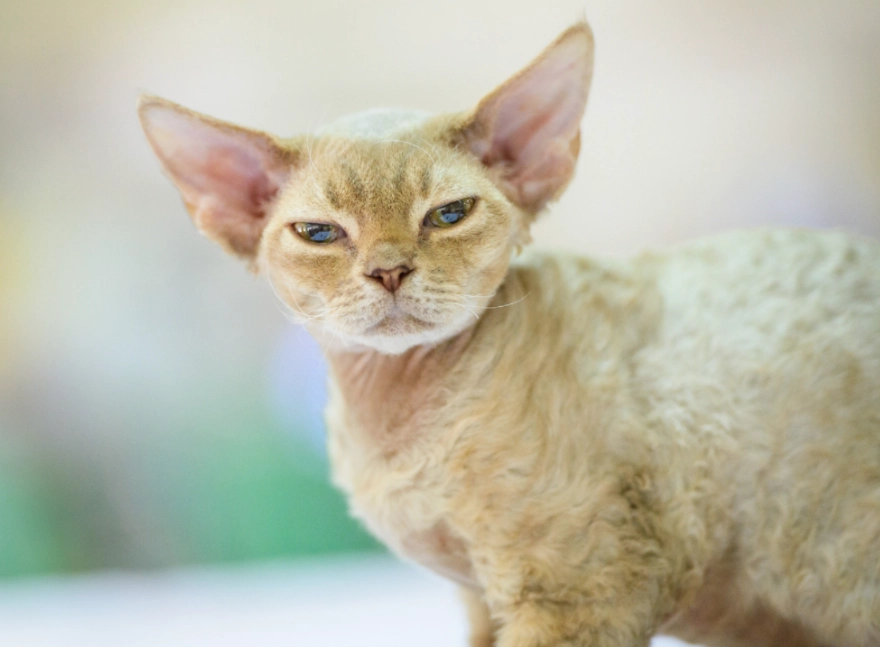
Most cats have three types of hair: a downy undercoat, a thicker awn hair, and long guard hairs. This full coat acts like a dander distribution system. The Cornish Rex breaks this mold completely. They possess only the soft, fine, downy undercoat. It's often described as feeling like crushed velvet or warm suede.
This single coat creates two major advantages for allergy sufferers:
- Minimal Shedding: Without guard hairs and a thick undercoat, they simply have less hair to lose. Less hair flying around means less dander-coated hair settling on your couch, clothes, and in the air.
- Reduced Dander Retention: Their tight, wavy curls seem to trap dander closer to the skin instead of readily releasing it into the environment. Think of it as a built-in air filter for their own allergens.
Also, because their coat is so fine, they require slightly different grooming. They don't need traditional brushing that can aerosolize dander. Instead, a weekly wipe-down with a damp cloth or a very gentle rubber grooming mitt can help gather loose hair and dander before it has a chance to circulate.
How to Test Your Reaction to a Cornish Rex Cat
Never, ever buy or adopt a Cornish Rex based solely on its hypoallergenic reputation. You must test your personal reaction. This isn't a one-time, 5-minute petting session. A proper test requires a more committed approach.
Here's a step-by-step method I recommend, refined after seeing too many cats returned because of rushed testing:
- Find a Reputable Source: Contact a TICA or CFA registered Cornish Rex breeder or a rescue that specializes in the breed. Explain your allergy situation and ask if they allow visitation and testing. Good breeders are used to this and often welcome it.
- The Initial Visit (1-2 hours): Go to their home or cattery. Don't take allergy medication for 24-48 hours before. Spend time in the space. Pet multiple cats, especially adults (kitten allergen levels can change). Rub your hands on your face and eyes. Sit on the furniture. See how you feel after an hour.
- The Extended Test (The Gold Standard): If possible, ask about a foster-to-adopt arrangement or a multi-day trial. Living with the cat in your own environment is the only true test. Allergens accumulate. A reaction might not hit until day two or three.
What are you looking for? Itchy eyes, sneezing, a runny nose, wheezing, or skin hives. A mild tickle in the throat might be manageable with environmental controls. Full-blown asthma symptoms are a hard stop.
Practical Tips for Living with a Cornish Rex If You Have Allergies
Let's say you passed the test, but you still have mild sensitivities. Or maybe your partner is the allergic one. Successfully cohabitating involves managing your environment as much as managing the cat.
Your new home management strategy should include:
- Create an Allergy-Free Zone: This is non-negotiable. Your bedroom must be off-limits to the cat. This gives your immune system 8 hours each night to recover in a clean space.
- Invest in a True HEPA Air Purifier: Not an ionizer, not a "HEPA-type" filter. A real HEPA purifier with a strong CADR rating for your room size. Run it continuously in the main living area. This was the single most effective change for my allergic colleague.
- Strategic Cleaning: Vacuum carpets and upholstery with a HEPA-filter vacuum 2-3 times a week. Use a damp mop on hard floors. Wash the cat's favorite blankets and your own bedding frequently in hot water.
- Consider Bathing the Cat: This is controversial. Some studies show weekly baths can reduce airborne Fel d 1 by up to 84%. Cornish Rex, due to their fine hair and often liking warmth, can sometimes adapt to bathing better than other cats. But start young, be incredibly gentle, use a hypoallergenic pet shampoo, and ensure they are completely dry and warm afterwards. For many cats, frequent bathing causes more stress than it's worth.
- Wipe-Downs are Your Friend: A more practical alternative to bathing is using allergen-reducing wipes (like Allerpet) or a damp cloth to wipe the cat down every few days. This physically removes dander and saliva from the coat.
How Cornish Rex Stacks Up Against Other "Hypoallergenic" Breeds
The Cornish Rex isn't the only player in the low-allergen game. Here’s a blunt comparison based on coat maintenance and typical allergen reports. Remember, "low-shedding" does not automatically equal "low-allergen."
| Breed | Coat Type | Shedding Level | Allergen Notes & Common Feedback | Grooming Need |
|---|---|---|---|---|
| Cornish Rex | Short, fine, wavy undercoat only | Very Low | Praised for minimal hair shedding. Dander is present but may be less airborne. High individual variability in Fel d 1 production. | Low. Weekly wipe-down. Needs warmth. |
| Sphynx | Hairless (fine peach fuzz) | None | Allergens come directly from skin saliva. Requires weekly bathing to remove oily, allergen-laden residue. Not a "no-maintenance" option. | Very High. Weekly baths essential. |
| Siberian | Long, triple coat | High (seasonal) | Some produce lower levels of Fel d 1 protein genetically. However, massive amounts of hair can physically carry allergens. A gamble. | Very High. Daily brushing. |
| Balinese / Oriental Shorthair | Siamese-type, single coat | Low to Moderate | Often cited as producing less Fel d 1. Shedding is less than double-coated breeds but still present. | Moderate. Weekly brushing. |
My take? The Cornish Rex offers a unique middle ground. You avoid the intense grooming of a Sphynx and the overwhelming fur of a Siberian, while still getting a cat with a distinct personality and that potentially easier-to-manage coat. But you have to like their unique, elfin look and their notoriously playful, "eternal kitten" temperament.
Your Cornish Rex Allergy Questions Answered
The bottom line is refreshingly simple. The Cornish Rex's unique genetics give it a solid reputation as a more allergy-friendly cat. But that label is a starting point for research, not a free pass. Do the work. Test thoroughly. Prepare your home. If you do, you might just find that this playful, warm, curly-coated companion is the perfect bridge between your love for cats and your body's sensitivities.