Let's cut to the chase: yes, most tuxedo cats are friendly, but it's not a guarantee. I've owned cats for over a decade, and my tuxedo, Felix, is a social butterfly who greets everyone at the door. Yet, I've met tuxedos that are shy or aloof. The truth is, a cat's friendliness depends on more than just its black-and-white coat. In this guide, we'll unpack what makes tuxedo cats tick, how to nurture their friendly side, and why assuming all tuxedos are cuddly is a mistake many new owners make.
Jump Straight to What Matters
What is a Tuxedo Cat? It's Not a Breed!
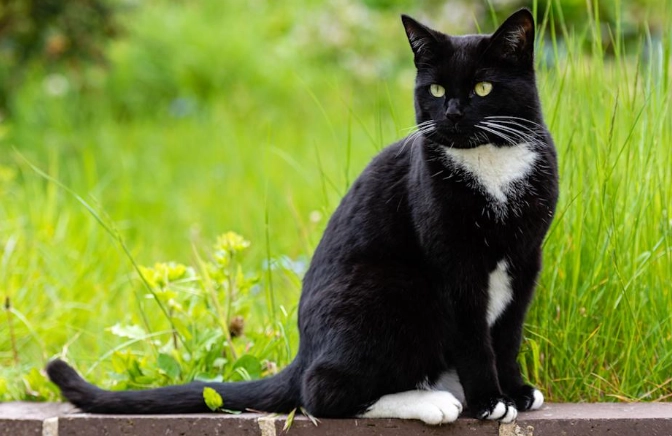
First off, tuxedo cat isn't a breed—it's a color pattern. These cats have a black coat with white patches on the chest, paws, and sometimes face, resembling a tuxedo suit. They can be any breed, from Domestic Shorthairs to Maine Coons. I learned this the hard way when I adopted Felix thinking he was a specific breed, only to find out from a vet that his personality had little to do with his looks. According to The International Cat Association (TICA), coat color doesn't dictate behavior; genetics and environment do. So, when people ask "are tuxedo cats friendly," they're really asking about a diverse group of cats with a common aesthetic.
The Tuxedo Cat Temperament: Friendly or Aloof?
In my experience, tuxedo cats often exhibit a mix of playfulness and affection. They're not universally friendly, but many owners report them being sociable. A study by the University of California, Davis, on cat personality suggests that bicolor cats (like tuxedos) may show more outgoing traits, but it's not a rule. Felix, for instance, loves attention, but my friend's tuxedo, Luna, hides under the bed when guests come over. The key is to look beyond the coat. Tuxedo cats can be lap cats, explorers, or independent spirits—just like any other cat. Don't fall for the myth that their "formal" appearance means they're reserved; some are the life of the party.
Factors That Influence a Tuxedo Cat's Friendliness
Friendliness isn't random. Here are the big players that shape a tuxedo cat's behavior, based on my observations and expert sources like the ASPCA's guides on cat socialization.
Genetics and Breed Background
If your tuxedo comes from a friendly breed lineage, like a Ragdoll or Siamese mix, they might be more sociable. But since tuxedos aren't a breed, this is hit-or-miss. I've seen tuxedo kittens from feral parents who stay skittish despite efforts. Genetics set the baseline, but they're not the whole story.
Early Socialization and Environment
This is huge. Kittens exposed to humans, sounds, and handling between 2-7 weeks tend to be friendlier. Felix was socialized early, and it shows. A tuxedo cat raised in a quiet home might be shy, while one in a bustling household could be more adaptable. Environment trumps coat color every time.
Individual Personality Traits
Cats have unique personalities, just like people. Some tuxedos are bold, others cautious. I recall a rescue tuxedo named Max who took months to warm up, but now he's a snuggle bug. It's a mistake to assume all tuxedos fit one mold—observe your cat's cues.
| Factor | Impact on Friendliness | Example from My Experience |
|---|---|---|
| Early Socialization | High: Positive exposure boosts trust and sociability. | Felix met multiple people as a kitten, now he's outgoing. |
| Breed Mix | Medium: Some breeds are naturally more affectionate. | A tuxedo with Persian heritage might be laid-back. |
| Home Environment | High: A calm, loving home encourages friendliness. | Luna's shyness improved after moving to a quieter space. |
| Health and Age | Variable: Pain or age can affect behavior. | An older tuxedo might become less active but still affectionate. |
How to Encourage Friendliness in Your Tuxedo Cat
Want a friendlier tuxedo? It's not about forcing cuddles. Here's what worked for me and other cat owners, backed by tips from the Cornell Feline Health Center.
Start with patience. Rushing a cat can backfire. Spend time in the same room without direct interaction—let them come to you. Felix took weeks to approach me initially.
Use positive reinforcement. Treats and playtime build trust. I used clicker training with Felix for simple tricks, which boosted his confidence. Avoid punishment; it makes cats fearful.
Create a safe space. Tuxedo cats, like all cats, need hiding spots. Provide cozy beds or perches. Luna's owner added a cat tree by the window, and she became more curious and social.
Interactive play is key. Use wand toys to engage their hunting instincts. Daily play sessions reduce anxiety and strengthen bonds. I've found that 15 minutes of play before meals works wonders.
Introduce new people slowly. Have guests ignore the cat at first, then offer treats. This prevents overwhelm. A common error is letting strangers pet the cat immediately—it can trigger hiding.
Common Misconceptions About Tuxedo Cats
Let's bust some myths. I've heard these too often, and they lead to unrealistic expectations.
Myth 1: Tuxedo cats are always friendly because of their "elegant" look. Nope. Coat color doesn't equal personality. I've met grumpy tuxedos that disprove this.
Myth 2: They're smarter or more trainable. While some owners anecdotally say tuxedos are clever, there's no scientific proof. Intelligence varies individually.
Myth 3: All tuxedo cats get along with other pets. Not necessarily. Felix tolerates dogs, but Luna hates other cats. Socialization matters more than appearance.
These myths can set owners up for disappointment. Focus on your cat's unique traits instead.
FAQ: Your Top Questions Answered
Wrapping up, tuxedo cats can be wonderfully friendly, but it's a mix of genetics, upbringing, and individual spirit. Don't judge them by their coats—get to know your feline friend on their terms. Whether you're adopting a tuxedo or curious about their behavior, remember that patience and understanding go a long way. For more insights, check out resources like the American Veterinary Medical Association's pet care guides. Happy bonding!