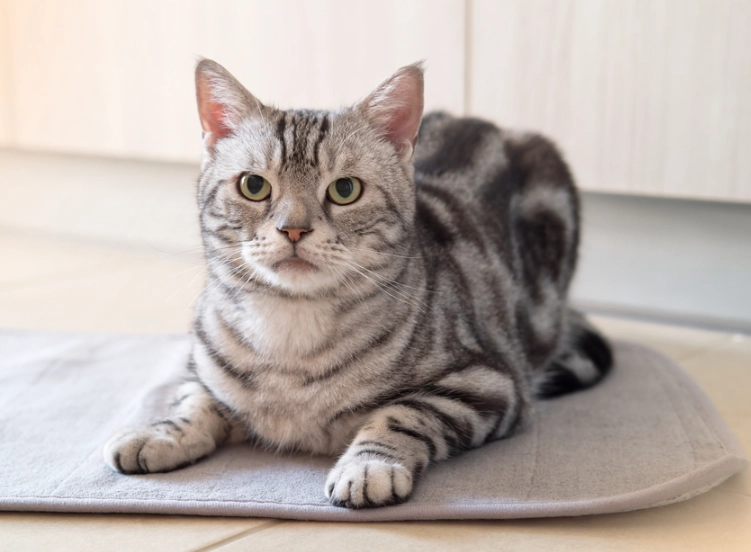
That rich, chocolatey brown coat paired with those unmistakable folded ears – the Brown Scottish Fold cat is a walking piece of living art. It’s the kind of cat that makes you do a double-take. But here’s the thing most blogs don’t tell you straight up: owning one is a commitment that goes far beyond admiring their unique looks. It’s about understanding a specific genetic blueprint, navigating potential health considerations with eyes wide open, and providing a level of care that matches their one-of-a-kind needs. If you’re just looking for a generic cat profile, you’re in the wrong place. This guide is for the future owner who wants the unvarnished truth, the practical daily steps, and the deep dive into what life is really like with a brown folded companion.
What You'll Find in This Guide
Beyond the Fold: The Genetics of That Brown Coat
Let's start with the color. "Brown" in cats isn't just one shade. In the cat fancy world, that beautiful, solid, warm brown is officially called Chocolate (genetic symbol 'b'). It's a dilution of the black pigment. For a Scottish Fold to be a true, solid brown, it needs to inherit this recessive 'b' gene from both parents. Sometimes you'll see lighter browns, like Lilac (a diluted chocolate, 'b' plus the dilution gene 'd'), or brown tabbies (brown with black stripes). The point is, a quality brown coat should be even and rich, without ghost tabby markings or white patches if you're aiming for a solid color.
Now, the ears. This is the elephant in the room. The fold is caused by an incomplete dominant gene that affects cartilage development throughout the body. It's not just the ears; it's the entire skeletal structure. A cat with one copy of the gene (heterozygous) will have folded ears and, in theory, a milder expression of the associated cartilage condition. A cat with two copies (homozygous) will have very tight folds and is virtually guaranteed to develop severe, painful joint disease. Reputable breeders only breed a folded-ear cat to a straight-eared cat (like a Scottish Shorthair) to avoid creating homozygous kittens. This is non-negotiable.
Quick Genetics Check: The brown color and the folded ears are controlled by completely separate genes. This means you can have a brown straight-eared Scottish Shorthair (from a Fold breeding) that carries the fold gene, or a folded cat of any color. The breeding focus should always be health first, color second.
Personality Profile: More Than Just a Pretty Face
Forget the aloof cat stereotype. Scottish Folds, brown ones included, are famously people-oriented. They tend to form a strong bond with their human and often choose a favorite person. I've found they're not necessarily lap cats in the traditional, sit-for-hours sense. Instead, they're "Velcro cats" – they want to be in the same room as you, following you from the kitchen to the home office, sitting a few feet away while you work.
Their voice is another quirk. Many have a quiet, chirpy meow that doesn't match their somewhat solemn expression. They're playful but not hyperactive, intelligent enough to learn tricks (like fetching a small ball), and generally get along well with other pets and children who respect their space. A common mistake new owners make is assuming their calm demeanor means they don't need play. They do. A bored Fold might not tear up your couch, but they can become withdrawn. Interactive wand toys and puzzle feeders are your best friends.
The Health Deep Dive: Osteochondrodysplasia (OCD) Explained
This is the most critical section. The gene that gives the Scottish Fold its cute ears is a cartilage-forming gene. When it's mutated (the "fold" version), it produces defective cartilage. This affects not just the ear pinna, but the cartilage and bone development in joints.
Osteochondrodysplasia (OCD) is the name for this developmental disorder. It can lead to:
- Progressive arthritis: Often starting young, in the ankles, knees, and tail vertebrae.
- A stiff, painful gait: The cat may be reluctant to jump, run, or climb stairs.
- A thick, inflexible tail: The tail may be short and lack normal mobility due to fused tail vertebrae.
- Abnormal bone growths (exostoses): Particularly on the hocks (ankles).
Here’s the expert nuance most sites miss: All Scottish Folds with folded ears have some degree of OCD. The spectrum ranges from subclinical (no visible pain) to severely debilitating. There is no "healthy" folded cat in the strictest sense; there are only cats whose condition is well-managed and not yet causing overt suffering.
What to Watch For: If your Fold sits constantly in a "Buddha position" (hind legs splayed out, front paws in lap), it’s not just being cute. This posture relieves pressure on painful joints. Other red flags include vocalizing when touched in certain areas, lameness, or resentment at being picked up. Annual vet check-ups with potential X-rays are crucial, not optional.
Management is key. This involves:
- Weight control: This is the single most important thing you can do. Extra pounds put crushing stress on already vulnerable joints.
- Joint supplements: Veterinarian-recommended supplements like glucosamine/chondroitin or green-lipped mussel extract can support joint health.
- Environmental modifications: Provide low-sided litter boxes, steps up to favorite perches and beds, and soft, orthopedic bedding.
- Pain management: If needed, your vet may prescribe anti-inflammatory or other pain medications. Never give human medication.
Avoiding Common Pitfalls: The Calcium Myth
I’ve heard well-meaning owners say, "I give extra calcium for strong bones." This is dangerously backwards. OCD is a problem of defective cartilage/bone formation, not a simple deficiency. Excessive calcium supplementation can actually disrupt mineral balances and worsen skeletal issues. Always consult your vet before adding any supplement.
Building Your Daily Care Routine
Caring for a Brown Scottish Fold is straightforward but requires consistency. Their coat is plush and dense. A good weekly brushing with a slicker brush prevents mats, especially under the arms and around the ruff. During shedding seasons, you might need to brush every other day.
Those adorable folded ears need special attention. The tight fold reduces air circulation, creating a warm, moist environment perfect for yeast and bacteria. Check and gently clean the ears weekly with a vet-approved ear cleaner on a cotton pad. Never use Q-tips deep in the ear canal. Look for redness, dark debris, or a foul odor – signs of infection.
Nail trims every 2-3 weeks and dental care (brushing or dental treats) round out the basics. Start all grooming routines when they’re kittens to build positive associations.
| Care Aspect | Frequency | Tips & Notes |
|---|---|---|
| Coat Brushing | 1-2 times per week (more when shedding) | Use a slicker brush. Focus on underarms, belly, and behind the ears. |
| Ear Cleaning | Weekly inspection & clean as needed | Lift the fold gently. Clean only the visible part of the inner ear. |
| Nail Trimming | Every 2-3 weeks | Use cat-specific clippers. Avoid the quick (pink vein inside the nail). |
| Joint Health Check | Daily observation | Monitor mobility, stance (avoiding "Buddha sit"), and willingness to jump. |
| Weight Monitoring | Monthly weigh-in | Use a baby scale. Ideal weight is determined by your vet based on frame. |
Finding Your Brown Scottish Fold: A Buyer's Reality Check
This is where your due diligence makes all the difference. The demand for "rare" brown Folds can attract unethical breeders.
Walk away immediately from any breeder who:
- Breeds Fold to Fold (guaranteeing homozygous, severely affected kittens).
- Doesn’t prioritize health testing of parent cats.
- Has kittens available year-round or lets them go home before 12-14 weeks.
- Can’t provide documentation of genetic testing for parents (like for PKD, HCM).
- Only talks about color and doesn’t openly discuss the breed's health challenges.
A responsible breeder will:
- Show you the parent cats (at least the mother) and their health clearances.
- Ask you as many questions as you ask them.
- Have a contract that includes a health guarantee and a clause requiring you to spay/neuter.
- Be a member of a recognized cat registry (like TICA or CFA) and follow their ethical codes.
- Be transparent about OCD and the lifelong management it may require.
Expect to be on a waitlist. Expect to pay a premium for a responsibly bred kitten from health-tested lines – often between $1,500 and $3,000. The brown color may add to the cost, but health should always be the primary pricing factor.
Your Questions, Answered Honestly
Is a brown Scottish Fold cat more expensive than other colors?
It can be, due to perceived rarity and demand. However, a significant price difference should raise a red flag. An ethical breeder prices based on the health testing, care, and registration of the kitten, not primarily on color. If a "chocolate" Fold is priced dramatically higher than a blue or black one from the same breeder, they might be prioritizing color over substance.
Can I breed my brown Scottish Fold to make a little extra money?
This is a hard no, and this attitude is part of the breed's problem. Breeding Scottish Folds ethically requires deep genetic knowledge, extensive health screening (cardiac ultrasound, DNA tests, joint evaluations), and a commitment to only breed folded to straight-eared cats. It's expensive, time-consuming, and carries serious ethical weight due to the OCD gene. Backyard breeding perpetuates pain and suffering in these cats. Spay or neuter your pet.
My Fold seems fine and playful. Does that mean they don't have joint problems?
Not necessarily. Cats are masters at hiding pain and discomfort. A playful demeanor doesn't rule out underlying arthritis or stiffness. Many Folds live active, happy lives with managed, low-grade OCD. The key is proactive, preventive care—keeping them lean, providing joint support, and having regular vet assessments—rather than waiting for obvious signs of lameness to appear.
Are there any specific foods best for Scottish Fold joint health?
Look for high-quality commercial cat foods that list a named meat as the first ingredient and are appropriate for your cat's life stage. Foods formulated for "joint health" or "indoor cats" often contain added glucosamine and chondroitin, which can be beneficial. However, food is not medicine. The most impactful dietary intervention is precise portion control to maintain an ideal weight. Discuss specific brand recommendations and the potential need for separate supplements with your veterinarian.
I've seen "Scottish Fold mixes" for adoption. Is that a safer option?
Possibly, but it's a genetic gamble. If the mix inherits the fold gene, it also inherits the risk for OCD. The expression might be milder, or it might not. The benefit of adoption is giving a home to a cat in need. If you consider a Fold mix, ask the shelter or foster for any known history of stiffness or mobility issues and be prepared for the same level of joint health vigilance as with a purebred.