You're scrolling through adoption listings or breeder pages, and you see "Abyssinian Tabby mix." It sounds intriguing—a blend of one of the oldest and most active purebreds with the ubiquitous, classic tabby. But what does that actually mean for you as a potential owner? I've been around cats, from fostering to advising breeders, for over a decade, and I can tell you this mix is far from a generic house cat. It's a specific, often high-energy design hybrid that combines the Abyssinian's intense curiosity and need for engagement with the tabby's robust health and diverse coat patterns. Think of it less as a random mix and more as a cat with a built-in personality and care manual that many first-time owners aren't prepared for. This guide cuts through the fluff to give you the real picture: the stunning looks, the demanding but rewarding temperament, the health watch-outs, and the daily reality of living with one.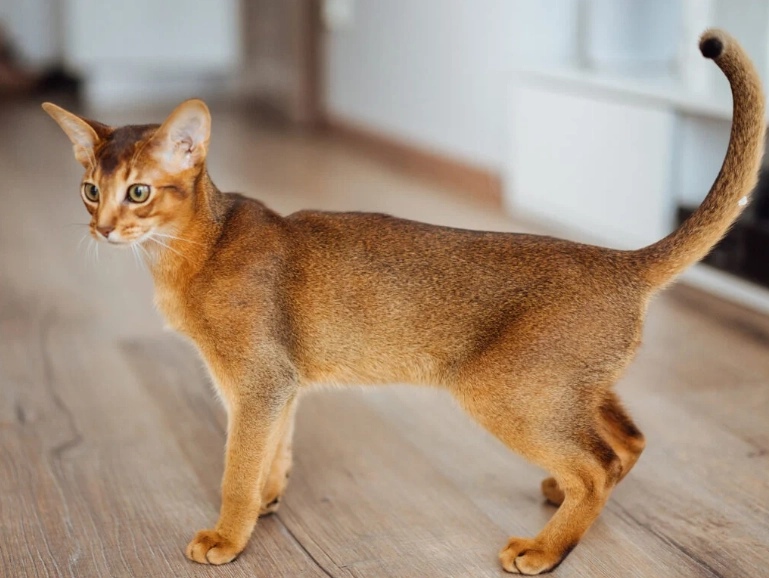
What's Inside?
- What Exactly is an Abyssinian Tabby Mix?
- The Abyssinian Tabby Mix Appearance: A Visual Guide
- Personality and Temperament: What to Really Expect
- Health and Lifespan: Proactive Care Strategies
- Caring for Your Abyssinian Tabby Mix: A Practical Guide
- Is an Abyssinian Tabby Mix the Right Cat for You?
- Your Abyssinian Tabby Mix Questions Answered
What Exactly is an Abyssinian Tabby Mix?
Let's clear this up first. An "Abyssinian Tabby mix" isn't a recognized breed by any major cat registry like The International Cat Association. It's a cross, typically meaning one parent was a purebred Abyssinian and the other was a domestic shorthair cat exhibiting tabby markings. Sometimes, it can be a multi-generational mix where the Abyssinian traits are still strongly evident. The result is a cat that inherits a cocktail of genes from two very distinct lineages. The Abyssinian contributes its signature ticked coat (where each hair has bands of color), its slender, muscular "foreign" body type, and its famously active and people-oriented personality. The domestic tabby side brings in a wider gene pool, which can mean stronger overall health, but also introduces the potential for classic, mackerel, or spotted tabby patterns over the Aby's typical uniform ticking.
Abyssinian vs. Tabby: A Quick Genetic Breakdown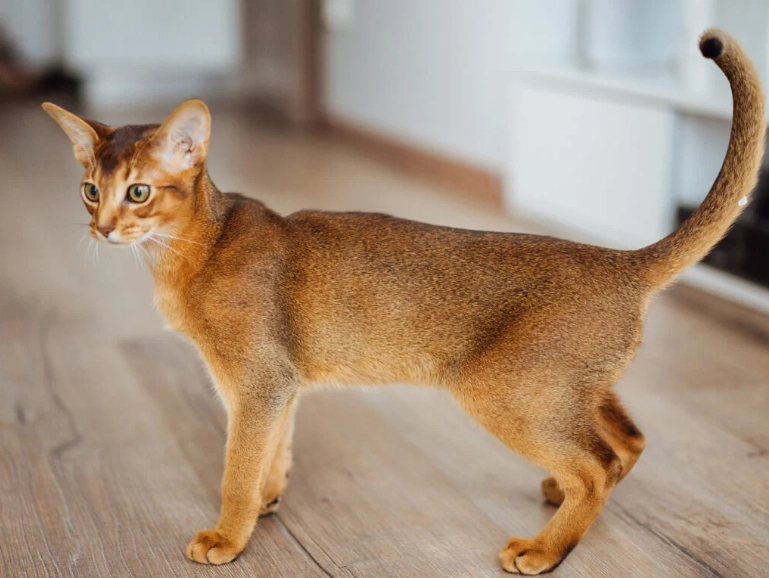
Understanding the parentage helps predict the mix. Here’s what each side typically brings to the table.
| Feature | Abyssinian Influence | Domestic Tabby Influence |
|---|---|---|
| Origin | Ancient, likely Southeast Asian/African lineage. A defined purebred. | Global domestic cat population. Not a breed, but a coat pattern. |
| Coat | Ticked (agouti) – no distinct stripes, just subtle banding on each hair. | Classic, mackerel, spotted, or ticked patterns. Bold stripes or swirls. |
| Markings | Minimal. Often just "M" on forehead and subtle eyeliner. | Pronounced "M" on forehead, necklaces, leg bars, tail rings. |
| Body Type | Svelte, muscular, medium-sized. Fine-boned but athletic. | Variable. Can be medium to large, robust or lean. |
| Temperament Core | Extremely active, intelligent, curious, "busy." Forms strong bonds. | Highly variable, but often friendly, adaptable, and playful. |
The mix you get depends on which genes are dominant. I've seen litters where one kitten looks like a ruddy Abyssinian with perfect ticking, another has a stunning classic tabby swirl pattern on a lithe Aby body, and a third looks more like a standard issue tabby with just a hint of that Aby energy. There's no guarantee.
The Abyssinian Tabby Mix Appearance: A Visual Guide
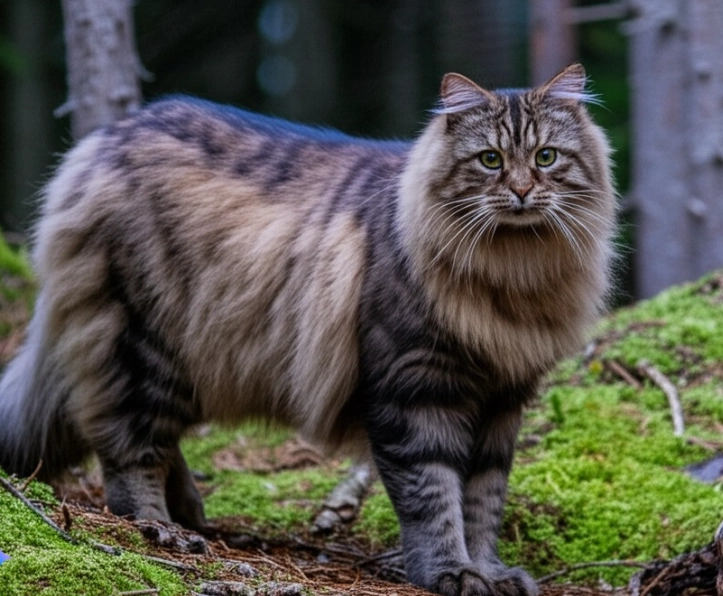
Forget predictability. The appearance of an Abyssinian Tabby mix is where genetics play a fascinating game. The most common outcome I've observed is a short, dense, and surprisingly soft coat that shows a blend of influences. The background color often leans towards the warm ruddy, red, or blue-based shades of the Abyssinian. But overlaid on that, you'll see the tabby patterns. This can create a stunning "broken ticked" effect or clear, dark stripes on a ticked background.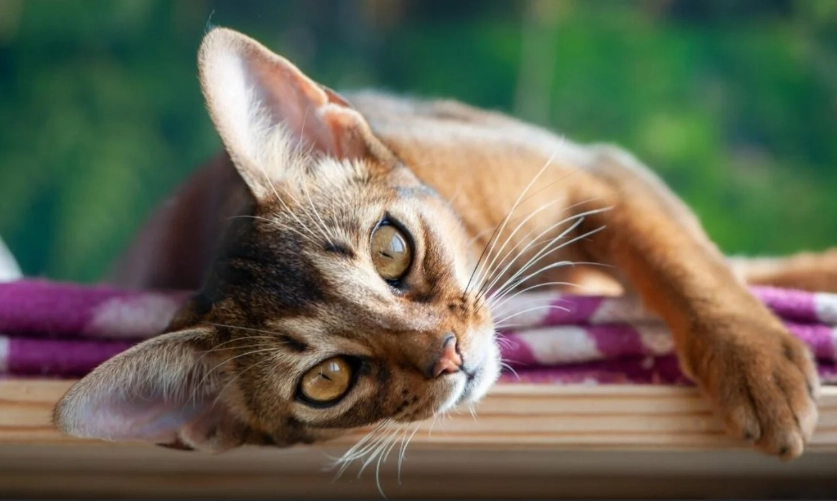
Common Physical Traits of the Mix
| Trait | Description & Likelihood |
|---|---|
| Coat Color | Ruddy/Red/Sorrel most common, followed by blue, fawn. The warm base from the Aby parent usually wins. |
| Coat Pattern | Mackerel (stripes) or Classic (swirls) over a ticked base. Spotted is rarer. The "M" on the forehead is almost always present. |
| Eye Color | Gold, green, or hazel. Less commonly the amber seen in pure Abys. Rarely blue unless a dilution gene is involved. |
| Body Structure | Typically medium-sized, muscular, and athletic. Often retains the Aby's arched back and long, slender legs. Not a bulky cat. |
| Ears & Tail | Ears are often large and alert, set wide (Aby trait). Tail is medium-long and tapering, not overly fluffy. |
One subtle point most guides miss: feel the coat. A true mix often has a denser, plusher feel than the sleek, fine coat of a pure Abyssinian, thanks to the domestic shorthair genes. It's a practical advantage—it can feel cozier.
Personality and Temperament: What to Really Expect
This is the make-or-break section. The Abyssinian Tabby mix personality is not for the faint of heart or the couch-bound. You're getting a cat with a high-octane engine. The Abyssinian's need for mental and physical stimulation is a dominant trait. These cats are smart. Scary smart. They figure out door handles, cabinet latches, and puzzle feeders in minutes. A friend's mix, Leo, learned to turn on the faucet in the bathroom when he wanted fresh water. Cute, until you get the water bill.
They are intensely curious and want to be in the middle of everything you do—cooking, working on the computer, reading. They bond deeply, often choosing one favorite person, but demand interaction. They're not the type to just sleep on the other end of the sofa. They will be on your keyboard, batting your pen, or bringing you a toy to throw. For the right person, this is delightful companionship. For someone who wants a low-maintenance pet, it's a fast track to frustration.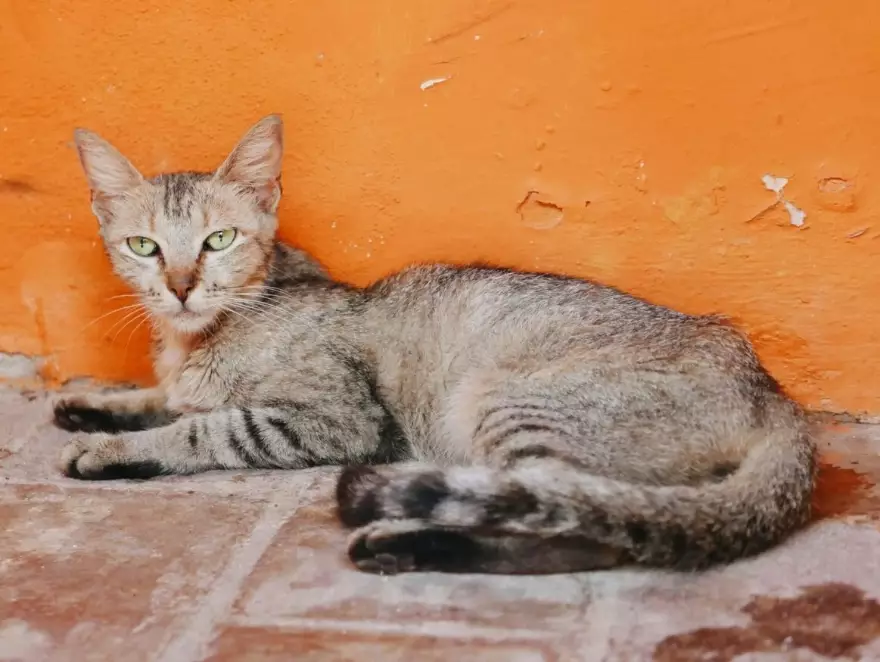
Potential Behavioral Challenges and Solutions
Boredom is your enemy. A bored Abyssinian mix becomes destructive (scratching furniture, knocking things over) or vocal. They can develop separation anxiety if left alone for long stretches regularly. The solution isn't just more toys; it's structured engagement.
- Morning & Evening Play Rituals: 15-20 minutes of intense, interactive play (dawn wand, laser pointer) to simulate hunting. Do this before meals to mimic the hunt-eat-groom-sleep cycle.
- Environmental Enrichment: Cat trees by windows, bird feeders outside, food puzzles, and even harness training for supervised outdoor exploration.
- Clicker Training: They excel at it. Teaching tricks like 'sit', 'high five', or 'fetch' burns mental energy and strengthens your bond.
On the plus side, the tabby influence can sometimes temper the extreme sensitivity some pure Abys have, making the mix slightly more adaptable to change or new people. But don't count on it being a huge mellowing factor.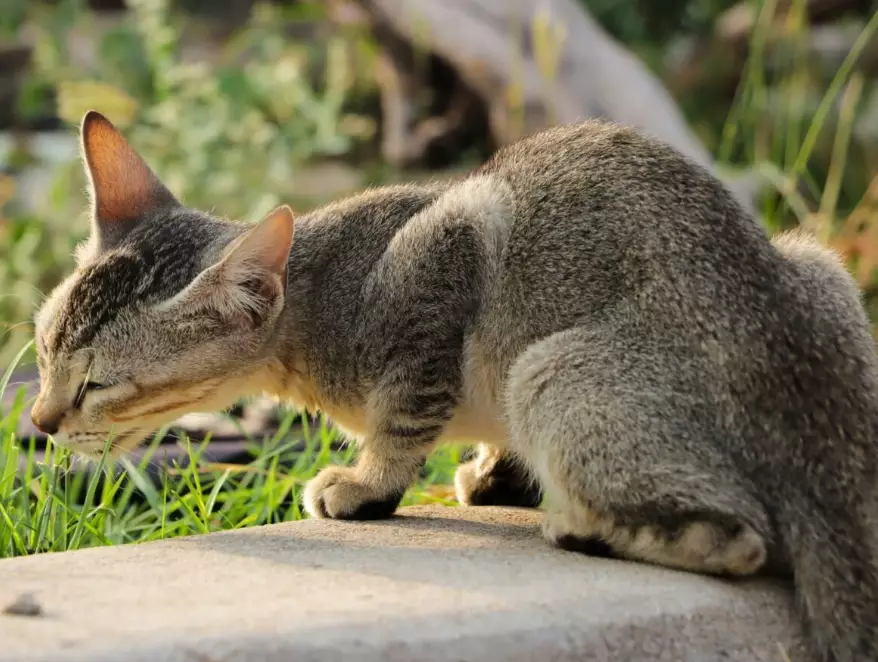
Health and Lifespan: Proactive Care Strategies
The hybrid vigor from the domestic tabby side can be a health advantage, but it doesn't make the mix immune to the Abyssinian's known predispositions. A responsible breeder (if you go that route) should screen the Abyssinian parent for specific issues. For rescues, be proactively aware. The average lifespan is typically 12-15 years, sometimes longer with excellent care.
Essential Health Screenings and Preventative Care
Based on common issues in the parent breeds, here’s what to watch and ask about:
- Gingivitis/Periodontal Disease: Abyssinians are notoriously prone to bad teeth. Start tooth brushing early with cat-specific toothpaste. Annual dental check-ups are non-negotiable. I've seen 3-year-old mixes needing dental cleanings because their owners ignored this.
- Renal (Kidney) Issues: While more a concern in purebreds, it's wise to monitor. Encourage water intake with a cat water fountain and wet food. Annual bloodwork from middle age (around 7 years) can catch early signs.
- Patellar Luxation: A slipping kneecap. Watch for intermittent limping or a "skip" in their step. Usually mild but worth a vet mention.
- Hyperthyroidism & Obesity: Common in all cats, but their high metabolism can crash if they become sedentary, leading to weight gain. Keep them moving.
Ask a vet about a baseline cardiac ultrasound if you have concerns, as some Aby lines can have inherited heart conditions, though this is less common in mixes.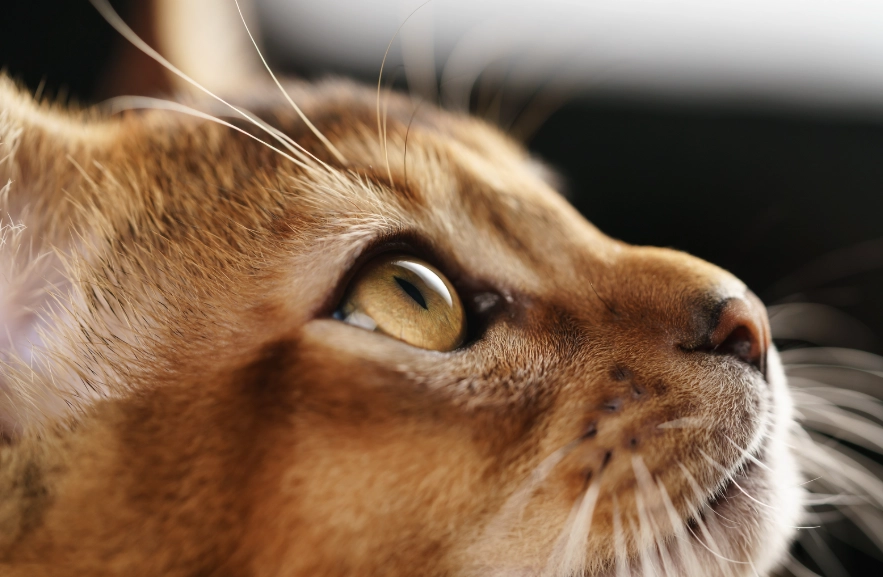
Caring for Your Abyssinian Tabby Mix: A Practical Guide
Caring for this mix is an active partnership. Here’s your daily, weekly, and monthly checklist beyond the basics.
Diet and Nutrition: Fueling the Engine
They burn calories fast. A high-quality diet rich in animal protein is essential. I'm not a fan of free-feeding dry food for these cats—it can lead to weight issues and doesn't support hydration. A combination of measured dry food for grazing and daily wet food meals works well. Look for brands that list a meat source as the first ingredient. The World Small Animal Veterinary Association provides good general guidelines on feline nutrition.
Grooming is easy. Their short coat needs a weekly brushing with a rubber grooming mitt or fine-toothed comb to remove dead hair and distribute skin oils. It's more about bonding and checking for lumps or bumps than managing mats.
Exercise & Play is the cornerstone. Rotate toys to prevent boredom. A tall, sturdy cat tree is a must—they love to climb and survey their domain. Consider building or buying a "catio" (enclosed patio) if you have space, as it satisfies their curiosity safely.
Is an Abyssinian Tabby Mix the Right Cat for You?
Let's be brutally honest. This cat isn't for everyone.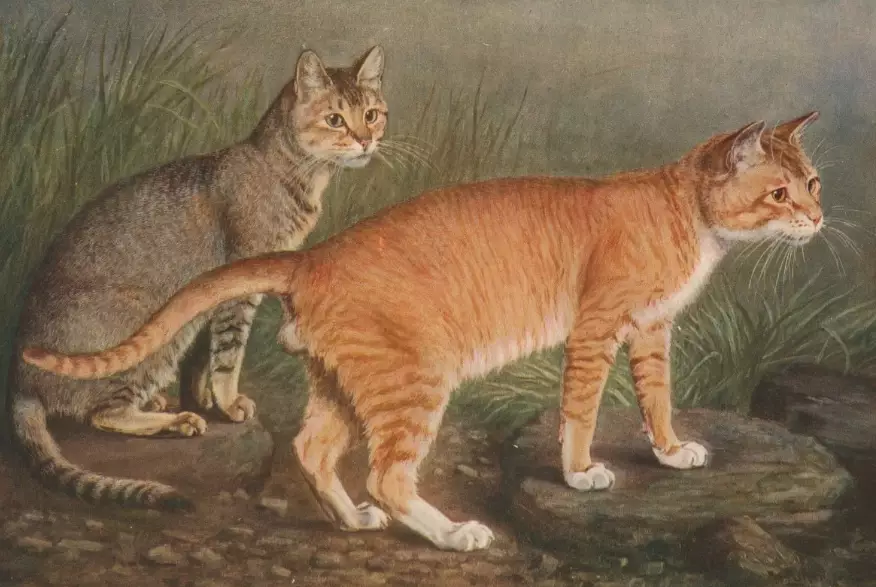
The Ideal Owner Profile
You might be a great match if: you work from home or have a flexible schedule; you're an active person who wants a pet to interact with, not just look at; you enjoy training and puzzles; you have a secure home without lots of fragile knick-knacks; you have older, cat-respectful children or are an adult-only household.
Think twice if: you're away from home 10+ hours a day; you prefer a quiet, sedentary lifestyle; you have very young children who might be too rough; you get frustrated easily by persistent, intelligent animals; you want a low-maintenance pet.
Adopting one from a rescue allows you to meet an adult whose personality is already evident. Kittens are adorable, but their full energy level won't show until they're a few months old.
Your Abyssinian Tabby Mix Questions Answered
Are Abyssinian Tabby mix cats good with children and other pets?
How much do they shed, and are they hypoallergenic?
Can you train an Abyssinian Tabby mix to walk on a leash?
 What's the biggest mistake new owners of this mix make?
How vocal are Abyssinian Tabby mixes?
Where is the best place to find an Abyssinian Tabby mix?