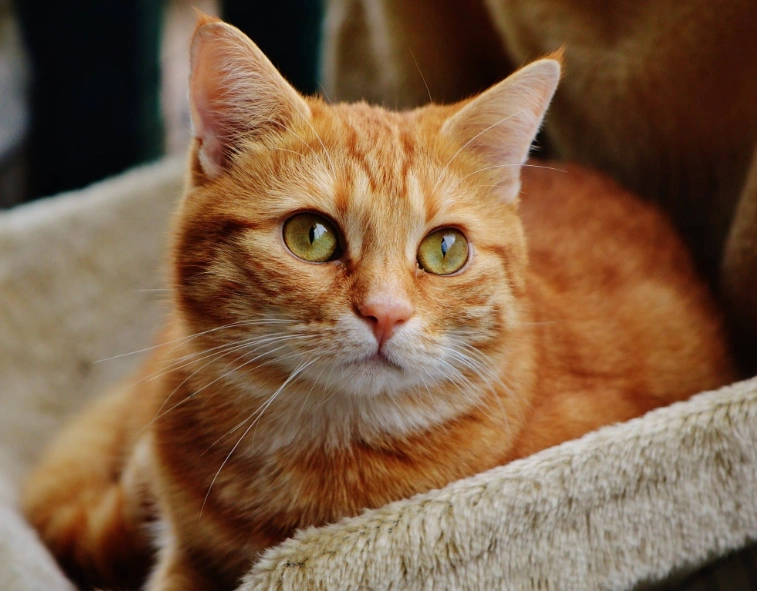
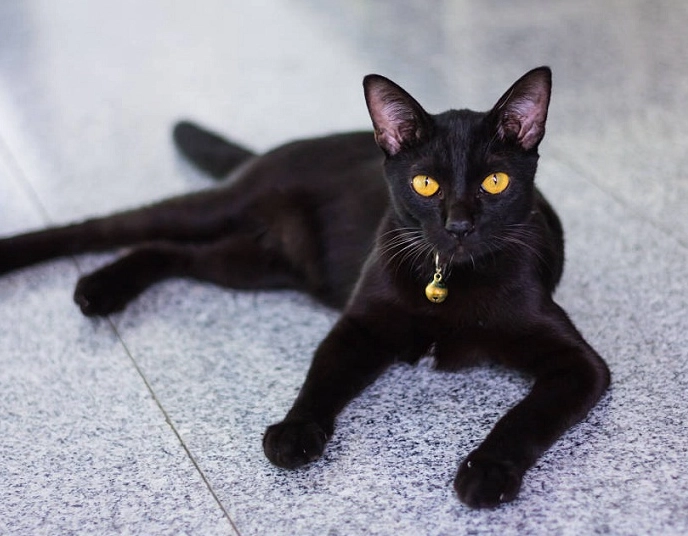
You see a photo of a Russian Blue cat. That stunning silver-blue coat, those piercing green eyes, that regal posture. It's hard to look away. But their beauty is just the surface. The real question every potential cat owner asks is: Why are Russian Blue cats so special beyond their looks? Is it just hype, or is there something genuinely different about this breed?
I've lived with cats for over twenty years, and my Russian Blue, Sasha, has been with me for ten of them. I can tell you, the difference isn't subtle. Most articles list the same basic traits: gentle, quiet, hypoallergenic. But they miss the nuance, the little things that make living with a Russian Blue a unique experience—and the common mistakes people make when bringing one home.
Let's cut past the generic descriptions. Here’s a deep dive into what truly sets the Russian Blue apart, based on breed standards from organizations like the Cat Fanciers' Association (CFA) and a decade of firsthand experience.
What's Inside This Guide?
What Exactly is a Russian Blue Cat?
First, let's clear up a common mix-up. The "Russian Blue" isn't just any grey cat. It's a specific natural breed, believed to have originated in the port of Arkhangelsk, Russia. They were brought to Europe by sailors in the 1860s and were prized for their plush, warm coats.
The modern Russian Blue is a medium-sized, muscular cat with a distinct build. Think of a graceful athlete. They typically weigh 7-12 pounds (3-5.5 kg), with males being larger. But their most famous feature is that double coat: a short, dense underlayer topped with longer, silvery-tipped guard hairs. This creates that shimmering, "plush" blue color that feels like velvet. Their eyes are always a vivid green, which develops fully as they mature from kittens.
The 7 Defining Traits That Make Russian Blues Special
Okay, let's get to the heart of it. Why does this breed consistently captivate people? It's a combination of factors you rarely find together in one package.
1. The Hypoallergenic Myth & Reality
This is the biggest draw—and the most misunderstood. Russian Blues are often labeled "hypoallergenic." The truth is, no cat is 100% hypoallergenic. Allergies are caused by a protein called Fel d 1, found in cat saliva and skin glands.
Here’s where the Russian Blue stands out: they are proven to produce significantly lower levels of Fel d 1 than many other breeds. A study often cited by breeders (though more independent research is always welcome) supports this. Combine that with their dense coat, which sheds very little, and you have a cat that is far less likely to trigger allergic reactions. My friend with mild cat allergies can visit for hours without issue, something impossible with my previous domestic shorthair.
But the "myth" part? People think "hypoallergenic" means "allergy-proof." It doesn't. If you have severe allergies, spend time with a Russian Blue before committing. It's a major improvement, not a magic cure.
2. A Personality That's "Dog-Like" in the Best Way
Calling a cat "dog-like" usually means they're loyal and follow you around. The Russian Blue takes this further. They form an intense, often exclusive bond with one or two people. Sasha follows me from room to room, not in a needy way, but like a quiet, curious companion. She greets me at the door. She plays fetch with her favorite crinkle ball.
Yet, they retain classic feline independence. They're not clingy or anxious when left alone for reasonable periods. It's the perfect balance: deeply affectionate on their own terms, without the separation anxiety some dog-like breeds exhibit.
3. The Quiet Conversationalist
Forget constant meowing. Russian Blues are famously quiet. They have a soft, chirping voice and use it sparingly. Instead of yowling for food, Sasha will sit patiently by her bowl and make eye contact. She might give a tiny, polite "mrrp?" to get my attention.
This makes them ideal for apartment living or for people who appreciate a peaceful home. They communicate more through body language and those intelligent eyes than through noise.
4. Intelligence and Problem-Solving Skills
This is a clever breed. They learn routines quickly and can figure out simple puzzles. I had to buy child-proof locks for my kitchen cabinets because Sasha learned how to open them. She understands specific words and commands.
The downside? Boredom is their enemy. A bored Russian Blue might find their own entertainment, which could mean opening drawers or "redecorating" your shelves. Mental stimulation is non-negotiable.
5. A Surprisingly Low-Maintenance Coat
That gorgeous plush coat is easier to care for than you'd think. It doesn't mat easily. A quick brush once a week with a soft bristle brush is usually enough to remove loose hair and distribute skin oils. They shed minimally, especially compared to long-haired breeds. During seasonal changes, you might need to brush twice a week.
The real grooming secret? They are fastidious self-cleaners. You'll often find them spending considerable time grooming that blue coat to perfection.
6. Generally Robust Health
As a natural breed, Russian Blues don't have many of the extreme genetic problems plaguing some modern breeds. They are typically healthy and long-lived, often reaching 15-20 years. According to veterinary resources like the Veterinary Partner, they have no major breed-specific disorders that are extremely common. However, like all cats, they can be prone to common issues like urinary tract conditions or dental disease. Responsible breeders screen for these.
7. The Reserved Gentleman/Lady
Russian Blues are often shy or reserved with strangers. They're not the cat that will immediately jump into a guest's lap. They prefer to observe from a distance first. This isn't fear or aggression—it's caution. Once they decide a new person is trustworthy (which can take several visits), their warmth slowly unfolds.
This trait makes them less suited to chaotic, loud households with constant visitors. They thrive in stable, calm environments.
| Trait | What It Means For You | Consideration |
|---|---|---|
| Hypoallergenic Coat | Great for mild allergy sufferers; less shedding and dander. | Not a guarantee for severe allergies. Test before you adopt. |
| Loyal, Dog-Like Personality | Forms a deep, devoted bond. Enjoys companionship and play. | Can become overly attached to one person. Needs interaction. |
| Quiet Demeanor | Peaceful home environment. Minimal vocal demands. | You must learn to read their subtle body language cues. |
| High Intelligence | Easy to train, learns tricks, enjoys puzzle toys. | Prone to boredom. Requires mental stimulation daily. |
| Reserved with Strangers | Calm presence, not demanding of guests. | May hide when company is over. Not a "party cat." |
How to Care for Your Russian Blue's Unique Needs
Owning a Russian Blue isn't difficult, but understanding their quirks leads to a happier cat. Here’s what most care guides gloss over.
Diet: They have no special dietary needs, but they are creatures of habit. Sudden food changes can upset their stomach. Find a high-quality diet and stick to it. Monitor their weight; their dense coat can hide weight gain.
Exercise & Play: This is critical. A wand toy that mimics prey is perfect. Puzzle feeders are excellent. Dedicate 15-20 minutes, twice a day, to interactive play. It satisfies their hunting instinct and prevents boredom.
Environment: They need vertical space. A tall cat tree by a window is heaven for them. They love to observe the world from a safe height. Also, provide cozy, enclosed beds or boxes—they appreciate having their own secure retreats.
Socialization: Start early. Gently expose a kitten to different sounds, people, and handling. This helps temper their natural reserve. An adult Russian Blue from a shelter may be more set in their shy ways, so patience is key.
Is a Russian Blue Cat Right For You? A Reality Check
Let's be honest. This breed isn't for everyone, despite its wonderful traits.
A Russian Blue IS ideal for:
- Individuals, couples, or quiet families seeking a devoted companion.
- People with mild cat allergies.
- Those who work from home or have a regular schedule.
- Owners who appreciate a quiet, intelligent, and graceful pet.
- People willing to invest time in interactive play and mental enrichment.
You might want to think twice if:
- Your home is constantly loud and busy with parties or young children.
- You want a cat that will instantly love every guest.
- You're away from home for very long hours regularly.
- You prefer a low-interaction pet that's completely independent.
The biggest mistake I see? People get seduced by the "hypoallergenic" label and the beautiful looks without considering the personality. They then get frustrated when the cat hides from their boisterous kids or doesn't act like an outgoing tabby.
Your Russian Blue Questions, Answered
So, why are Russian Blue cats so special? It's the rare combination: the elegance of a statue with the heart of a loyal companion, the brains of a puzzle-solver with the manners of a quiet guest, and a coat that's both breathtaking and practical. They're not the flashy entertainer; they're the deep, lasting friendship. If your lifestyle matches their need for a peaceful, engaging, and loving home, a Russian Blue isn't just a pet—they become a truly special part of your life.