Quick Navigation
- It's All in the Genes: The Science Behind the Mittens
- The Million-Dollar Question: Just How Rare Are Mitted Ragdolls Then?
- What to Look For: Identifying a True Mitted Ragdoll
- Finding and Choosing a Mitted Ragdoll: A Practical Guide
- Common Myths and Questions Debunked
- Beyond Rarity: What Really Matters in a Ragdoll
You're probably here because you fell in love with a picture of a Ragdoll cat – you know, the ones with the stunning blue eyes and that luxuriously soft fur that looks like they just stepped out of a cloud. And then you saw the term "mitted." Maybe you were browsing a breeder's site or scrolling through Instagram, and the question popped into your head: Are mitted Ragdolls rare? It sounds exotic, doesn't it? Like a special edition. I get it. I spent weeks down that rabbit hole myself when I was first looking for my Ragdoll, Mochi. The internet is full of conflicting info, some breeders hype it up, others shrug it off. Let's cut through the noise and talk about what's really going on.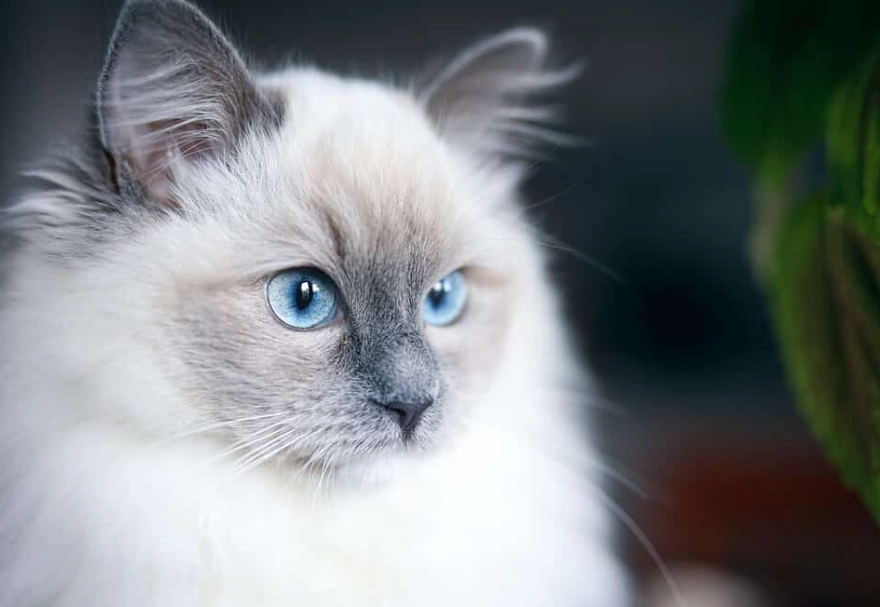
First things first, to answer "are mitted Ragdolls rare," we need to be crystal clear on what we're even talking about. "Mitted" isn't a color; it's a specific pattern of white markings. Think of it like the cat is wearing little white mittens on its paws. That's the classic giveaway. But it's more than just paws. A proper, traditionally defined mitted Ragdoll has a white chin, a white blaze (that's a stripe running up the face), a white belly stripe, and those iconic four white paws. The rest of the body is a solid color like seal, blue, chocolate, or lilac. This pattern is one of the three main pattern types recognized by major cat registries like The International Cat Association (TICA) and the Cat Fanciers' Association (CFA), the other two being colorpoint and bicolor.
Key Point: When people ask "are mitted Ragdolls rare," they're usually referring to this traditional, show-standard mitted pattern with all the specific white markings in the right places. The answer changes if we're talking about non-standard or pet-quality mitted cats.
It's All in the Genes: The Science Behind the Mittens
You can't really grasp the rarity question without a tiny, painless lesson in cat coat genetics. Don't worry, I'll keep it simple. Ragdoll patterns are controlled by a gene called the white spotting gene. This gene decides how much white is on the cat. Think of it as a volume dial for white fur.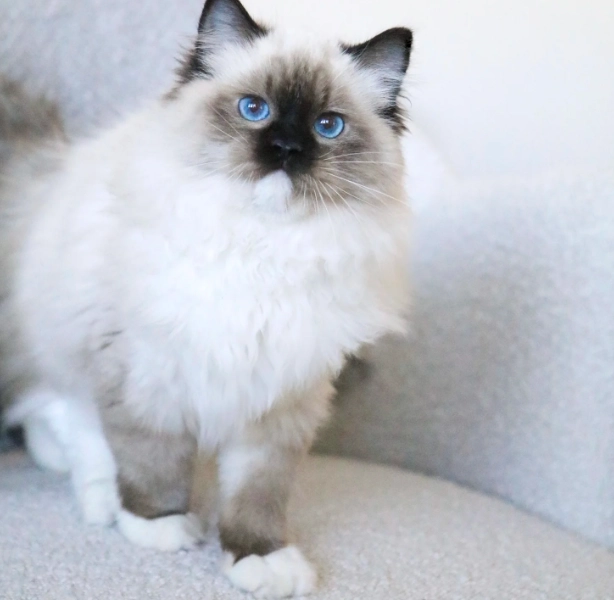
- Low "volume" (ss or ss): This gives you a mitted pattern. Just a little bit of white in specific spots.
- Medium "volume" (Ss): This creates a bicolor pattern. More white, typically an inverted 'V' on the face and white legs.
- High "volume" (SS): This results in a van pattern (almost all white), which is very uncommon in Ragdolls.
Now, here's where it gets interesting for our "are mitted Ragdolls rare" puzzle. The mitted allele (that's the specific version of the gene) is recessive to the bicolor allele. In plain English, that means if a kitten inherits one bicolor gene from one parent and one mitted gene from the other, it will visually be a bicolor. The bicolor pattern "covers up" the mitted one. For a kitten to be a true, genetically mitted Ragdoll, it needs to inherit the mitted gene from both parents.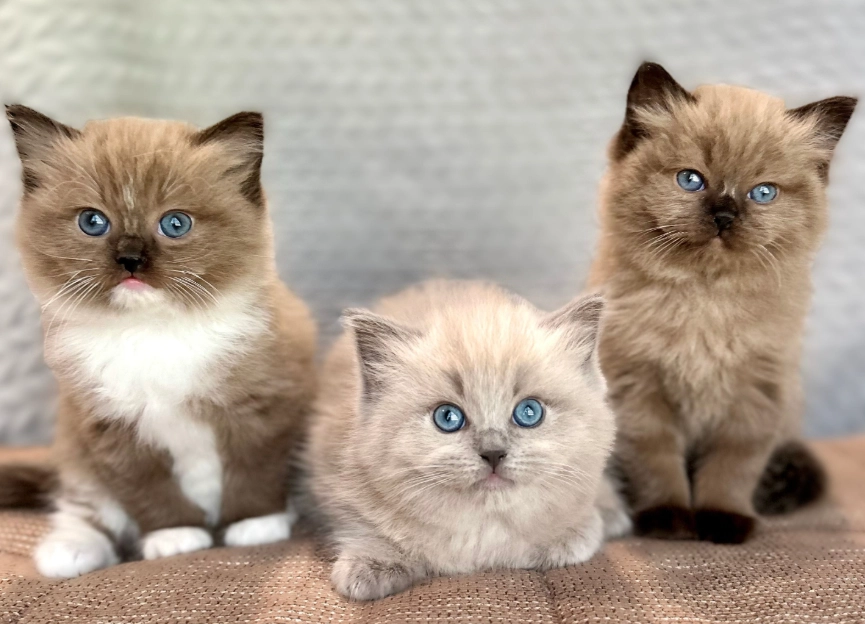
When I was chatting with Mochi's breeder, she explained this to me. She said breeding for a perfect mitted pattern is a bit more of a genetic gamble. You need both parent cats to carry that recessive mitted gene, and even then, the white markings need to land perfectly. A slight misalignment in the paw mittens or the chin marking, and that cat is considered a "pet-quality" mitted, not a "show-quality" one. That distinction is huge.
The Million-Dollar Question: Just How Rare Are Mitted Ragdolls Then?
Okay, drumroll please. Let's break down the answer to "are mitted Ragdolls rare" into different layers, because it's not a simple yes or no.
Show-Quality vs. Pet-Quality: A World of Difference
This is the most important distinction. In the world of cat shows and breed standards, a perfect, show-quality mitted Ragdoll is less common than a bicolor or a colorpoint. Why? Genetics and precision. As we just learned, both parents must carry the gene. Furthermore, the placement of the white is strictly judged. The mittens must be even, the chin pure white, the blaze symmetrical. Any smudging, unevenness, or white in a non-standard place (like a spot on the back) disqualifies it from the top show ring, even if it's genetically mitted. Breeders aiming for show cats often find it easier to consistently produce well-marked bicolors.
So, if you walk into a major cat show, you'll likely see fewer mitted Ragdolls competing than the other patterns. In that specific, elite context, yes, they have a degree of rarity.
In the General Pet Population: Much More Common
Now, step outside the show hall. Ask any Ragdoll breeder what patterns they have in a typical litter, and you'll hear a different story. Most responsible breeders are not just breeding for show cats; they're breeding for healthy, wonderful family pets. In these litters, mitted kittens appear very frequently. Because the gene pool is well-established, many Ragdolls carry the recessive mitted gene. When two carriers are paired, statistically, about 25% of the kittens will be genetically mitted.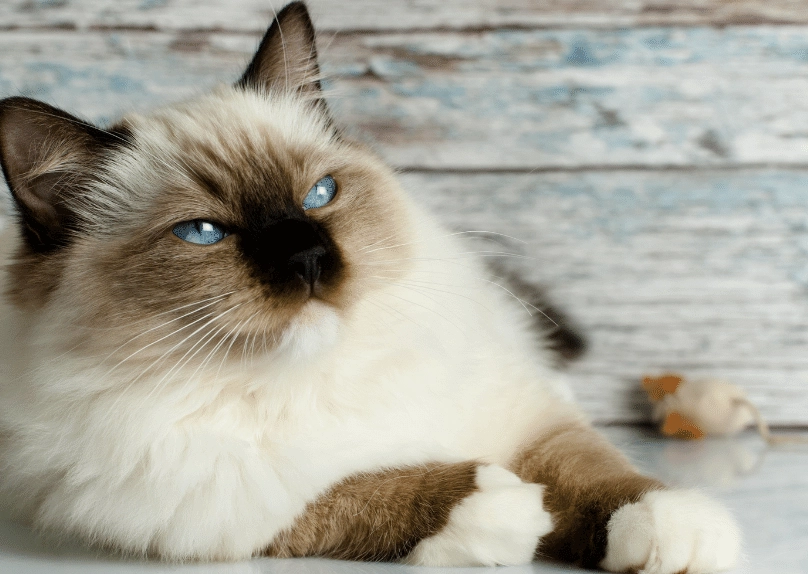
Are mitted Ragdolls rare in this context? Not really. You can find them. The catch is that many of these mitted kittens will have "imperfect" markings – maybe one mitten is higher than the other, or the blaze is a bit off-center. These kittens are sold as beloved pets, often at a slightly lower price than their perfectly-marked siblings. But they are 100% Ragdolls with the same wonderful temperament.
My Take: The perception of rarity is often inflated. Some less-scrupulous breeders might use "rare mitted Ragdolls!" as a marketing buzzword to justify a sky-high price for a kitten that is, genetically, no rarer than others in the litter. Always ask to see the parents and understand the genetics.
Compared to Other Patterns: A Quick Breakdown
Let's put this in a table to make it super clear. This is based on general observations from breeder websites, forums, and cat show statistics.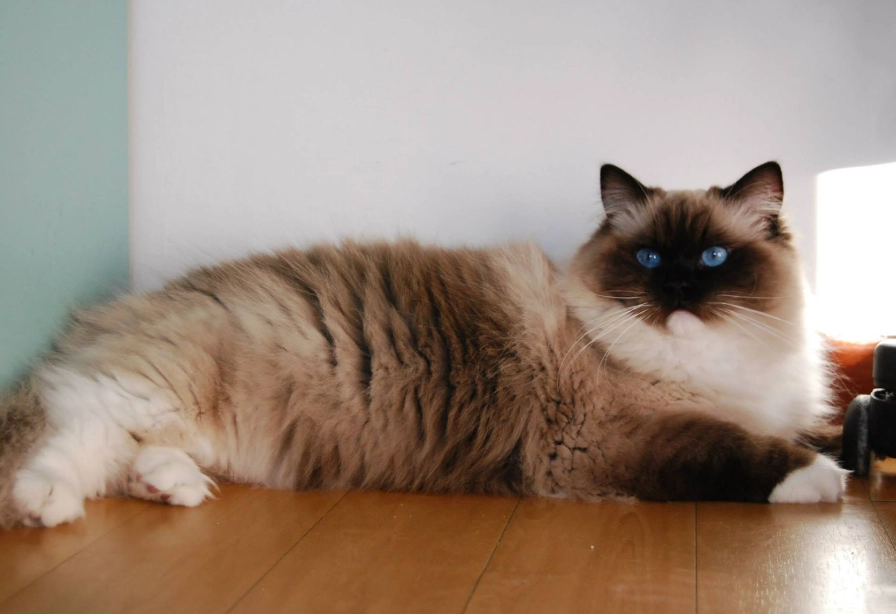
| Ragdoll Pattern | Show-Quality Availability | Pet-Quality Availability | Notes on "Rarity" |
|---|---|---|---|
| Colorpoint | Common | Very Common | No white markings. Genetically simplest to achieve. |
| Bicolor | Very Common | Extremely Common | The most popular and widely bred pattern. |
| Mitted (Traditional) | Less Common | Common | Show-quality requires precise genetics & marking. Pet-quality mittens are everywhere. |
| Lynx & Tortie Variations | Less Common | Less Common | These are overlay patterns (stripes, patches) on top of the three main patterns. A mitted lynx is rarer than a solid mitted. |
So, looking at the table, you can see the nuance. Asking "are mitted Ragdolls rare" needs this qualifier: Which kind are you talking about?
What to Look For: Identifying a True Mitted Ragdoll
Since we're deep in the topic, let's make sure you can spot one. A classic mitted Ragdoll is not just a colorpoint with white feet. The official standard (you can check the CFA Ragdoll breed standard for the nitty-gritty) specifies:
- White Paws: All four feet have white "mittens." The back mittens should ideally extend up to the ankle joint, and the front mittens should be even.
- White Chin: The entire chin should be white. No color allowed.
- White Blaze: A white stripe or patch on the nose and forehead. It should be symmetrical.
- White Belly Stripe: A strip of white running from the chin down the belly to the tail.
- No White on Body: Critically, the white should be confined to these specific areas. No white patches on the back, sides, or tail.
If you see a cat with just white feet but a colored chin, that's technically a mismarked cat, often called a "mitted with bad markings" or just a colorpoint with low white spotting. It's still beautiful, but it won't fit the strict show definition that often fuels the "are mitted Ragdolls rare" discussion.
See the difference? It's all in the details.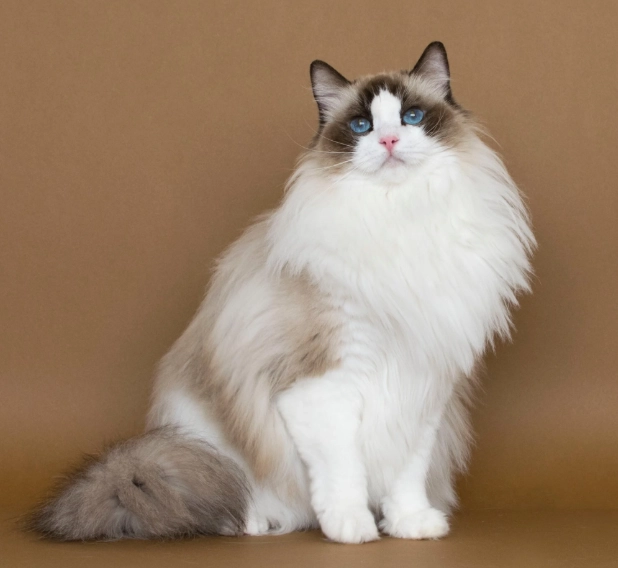
Finding and Choosing a Mitted Ragdoll: A Practical Guide
Let's say you've decided you love the mitted look. How do you actually go about getting one without getting caught up in rarity hype?
1. Finding a Reputable Breeder is Non-Negotiable
This is the single most important step, far more important than the pattern. A good breeder prioritizes health, temperament, and ethics. They will be transparent about genetics, show you health clearances for parents (like HCM scans), and let you visit their home. They won't use "rare" as a primary selling point. Use the breeder directories on TICA or CFA websites as a starting point. A good resource for understanding responsible breeding practices is the Cornell Feline Health Center.
2. Be Clear About Your Expectations
Do you want a future show cat? Then you need to be prepared to wait longer and pay a premium for a kitten from champion lines with flawless markings. Are you just looking for a family pet with that sweet mitted look? Then a pet-quality kitten is a perfect, often more affordable, choice. Tell the breeder this upfront.
3. Price: What's Fair?
Ragdoll prices vary wildly by region, breeder reputation, and quality. A top-show-potential mitted kitten from renowned lines can cost several thousand dollars. A pet-quality mitted kitten from a responsible breeder might be in the $1,500-$2,500 range. If someone is charging $4,000 for a "rare mitted" with no champion lineage or exceptional health testing, be very skeptical. The pattern alone shouldn't double the price.
I paid toward the lower end of that pet-quality range for Mochi. He's a blue mitted, but his blaze is a tiny bit crooked. The breeder pointed it out immediately and adjusted his price. I couldn't care less about the crooked blaze; he's the most loving cat I've ever met. Focusing on the personality of the cat and the ethics of the breeder is what matters most.
4. Ask the Right Questions
- "Can you explain the genetics of this kitten's parents?" (A good breeder will know).
- "Do you have the HCM and other genetic test results for the parents?"
- "How do you socialize your kittens?"
- "What is your policy if I can no longer care for the cat?" (Ethical breeders always take their cats back).
Common Myths and Questions Debunked
Beyond Rarity: What Really Matters in a Ragdoll
I need to get on a little soapbox here for a second. After living with a Ragdoll and talking to countless owners and breeders, I've learned that fixating on "are mitted Ragdolls rare" is kind of missing the forest for the trees.
The magic of a Ragdoll isn't in the perfection of its white mittens. It's in the way they go limp when you pick them up (the famous "ragdoll flop"). It's in their dog-like tendency to follow you from room to room. It's in their gentle, quiet voices and their aversion to aggression. These traits are present in all Ragdolls, regardless of whether they are colorpoint, bicolor, or mitted.
Choosing a cat based solely on a pattern perceived as rare can lead you to a bad breeder. A kitten from a neglectful environment, even if it has perfect mittens, will likely have behavioral and health issues that far outweigh the appeal of its coat.
Final Thought: The quest to find out if mitted Ragdolls are rare is a natural one. But let it lead you to knowledge about genetics and responsible breeding, not just to a buzzword. Your perfect cat is out there—maybe with perfectly symmetrical mittens, maybe with one slightly crooked one. The rarity that truly matters is finding a healthy, well-socialized kitten from a breeder who cares deeply about their cats. That's the real treasure.
So, are mitted Ragdolls rare? In the world of pristine show cats, they're less common. In the loving world of family homes, they're a beautiful and available choice. Don't let the search for rarity overshadow the search for a healthy, happy companion. That's the takeaway I wish I had when I started looking.