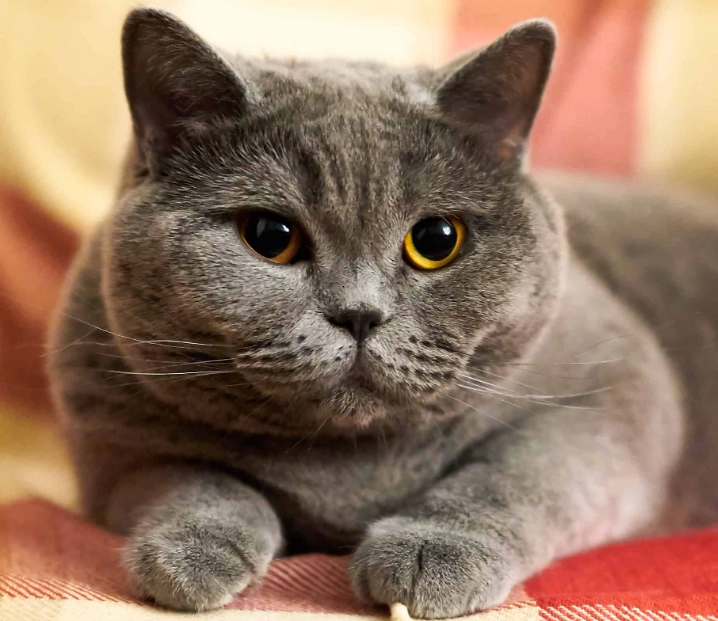
Let's talk about the white Maine Coon. It's not just a cat; it's a statement. A flowing, snowy coat draped over a frame that can rival a small dog, paired with a personality that's more dog-like than most dogs. I've lived with a white Maine Coon named Frost for eight years, and the number of times I've had to explain that, no, he's not a mix, and yes, he really is that big, is countless. If you're captivated by the idea of a living, purring snowdrift with lynx-like ear tufts, you're in the right place. This guide cuts through the fluffy myths and gives you the gritty, practical details you need—from the genetics behind that stunning white coat to the very real commitment of daily grooming and potential health screenings.
Your Quick Guide to White Maine Coons
What Makes a White Maine Coon Cat?
First, the white coat isn't a color in the usual sense. It's a masking gene, a dominant white gene (W), that covers up whatever the cat's true genetic color pattern is. That cat underneath could be a black tabby, a red smoke, or a blue tortoiseshell. You'll never know unless it has kittens that reveal the hidden pattern. This leads to the most critical point every potential owner must understand.
The Deafness Debate: What's Real and What's Overblown
Here's a non-consensus take you won't find in every generic article: The link between white coats, blue eyes, and deafness is often oversimplified for cats. In dogs, it's a stronger correlation. In cats, particularly Maine Coons, the risk exists but is frequently overstated by casual sources. The primary concern is for cats with two blue eyes. A white Maine Coon with two blue eyes does have a statistically higher chance of congenital deafness. However, a white Maine Coon with odd eyes (one blue, one green/gold) typically only has a risk of deafness in the ear on the blue-eyed side. A white Maine Coon with two gold/green eyes? Their risk is not significantly higher than any other colored Maine Coon. I've met several two-blue-eyed white Coons with perfect hearing. The key is a BAER (Brainstem Auditory Evoked Response) test, which a responsible breeder should perform.
Beyond color, a white Maine Coon is all Maine Coon. We're talking about one of the largest domesticated cat breeds. Males routinely hit 13-18 pounds, with some gentle giants reaching 20+ pounds. Females are smaller but still substantial at 8-12 pounds. They have a rectangular body, a long, bushy tail, and that characteristic square muzzle. Their personality is legendary: friendly, adaptable, playful well into adulthood, and often described as "dog-like" in their loyalty and tendency to follow you around. They're not typically lap cats—they're more like companion cats who want to be in the same room, maybe on the couch next to you, supervising.
White Maine Coon Coat Types: Not All White is the Same
That pristine white can come in different textures and lengths. You might see:
- Pure Solid White: The classic. No shading, no markings. Requires diligent grooming to prevent yellowing.
- White Smoke: This is stunning and often misunderstood. The cat appears solid white, but when you part the fur, the roots are a dark grey or black. In motion, you see a shimmering "smoke" effect. Frost is a white smoke, and watching him run in sunlight is mesmerizing.
- Bicolor White: Mostly white with patches of another color (like black or red) on the head, back, or tail. These are not technically "white" per the breed standard for show, but are incredibly popular as pets.
How to Care for a White Maine Coon Cat
Caring for a white Maine Coon is like caring for a luxury car with a white interior. It's glorious, but it shows everything. The commitment is real.
The Grooming Routine: Non-Negotiable
Forget brushing once a week. For a white Maine Coon, you're looking at a multi-step process every 2-3 days to prevent mats and stains.
- Detangling: Start with a wide-toothed comb to gently work out any small knots, especially behind the ears, under the armpits, and in the "pantaloons" (the fluffy rear end).
- Undercoat Raking: Use an undercoat rake during heavy shedding seasons (spring and fall). This removes the dense, soft undercoat that causes mats.
- Finishing with a Slicker Brush: Go over the entire coat with a slicker brush to smooth it and remove loose hair. A common mistake is using the slicker brush first on a matted coat—it just tightens the mats and hurts the cat.
Bathing? It's not as crazy as it sounds. A bath every 4-8 weeks with a quality, brightening cat shampoo (like one with blue or purple tones to counteract yellowing) keeps the coat brilliant. Get them used to it as kittens. The first time I bathed Frost, it was a two-person, soggy disaster. Now, he tolerates it with a look of profound disappointment.
Diet, Exercise, and Environment
A Maine Coon's size means they need high-quality, protein-rich food. Look for formulas that support joint health. They are active and intelligent, so a cat tree is a must—get a sturdy, tall one. Puzzle feeders and interactive toys prevent boredom. One thing rarely mentioned: their water intake. Many Maine Coons love running water. Investing in a cat water fountain can encourage hydration and support urinary tract health. Keep their litter box large and clean; a big cat produces big waste, and a dirty box will quickly stain white paws.
| Care Aspect | Specifics for a White Maine Coon | Frequency / Notes |
|---|---|---|
| Coat Brushing | Undercoat rake + slicker brush combo | Every 2-3 days (Daily during shed) |
| Bathing | Brightening or whitening cat shampoo | Every 4-8 weeks |
| Eye Cleaning | Soft, damp cloth to prevent tear stains | As needed (check daily) |
| Nail Trimming | Cat nail clippers | Every 2-3 weeks |
| Dental Care | Cat toothpaste & brush or dental treats | Ideal: Daily. Minimum: Several times a week |
| Food | High-protein, large-breed or joint-support formula | Measured meals twice daily (avoid free-feeding) |
Common Health Issues in White Maine Coons
Their color doesn't cause these, but as a giant, purebred cat, there are breed-specific predispositions to be aware of. A responsible breeder will screen for these.
Hypertrophic Cardiomyopathy (HCM): This is the big one. It's a thickening of the heart muscle and is the most common heart disease in cats. Reputable breeders test their breeding cats via annual echocardiograms. Ask to see the parent cats' HCM clearances from a veterinary cardiologist, not just a vet's "all clear" stethoscope check.
Hip Dysplasia: Yes, cats get it too, especially large ones. It can lead to arthritis. Signs include reluctance to jump, stiffness, or a bunny-hopping gait.
Spinal Muscular Atrophy (SMA): A genetic disorder specific to Maine Coons that affects the spinal cord muscles. Reputable breeders DNA test for this and will not breed carriers together.
Dental Issues: They can be prone to gingivitis. That's why the dental care in the table above isn't optional prettiness—it's preventive healthcare.
The white coat itself brings one main health consideration: sun sensitivity. Like fair-skinned humans, white cats are more prone to sunburn on their ears and noses, which can lead to squamous cell carcinoma. If your cat loves sunny windows, consider applying pet-safe sunscreen to their ear tips and nose, or provide shaded spots.
Finding and Choosing a White Maine Coon Kitten
This is where patience pays off. A well-bred, healthy white Maine Coon kitten from a reputable breeder typically costs between $1,800 and $3,500+ in the US. Price varies by location, breeder reputation, and bloodline. Anything significantly cheaper is a major red flag.
How to Vet a Breeder
This is more important than the kitten's cuteness. A good breeder will interview you as much as you interview them.
- They Show Proof of Health Testing: HCM echocardiogram reports for the parents, DNA tests for SMA and other known mutations. For white kittens, they should be upfront about BAER hearing test results.
- They Raise Kittens in the Home: Kittens should be socialized in a family environment, not isolated in a cattery.
- They Provide a Contract: This should include a health guarantee, a requirement to spay/neuter if sold as a pet, and a clause that you must return the cat to them if you can't keep it—ever.
- They are Registered: With a major cat registry like The International Cat Association (TICA) or the Cat Fanciers' Association (CFA).
Avoid breeders who always have multiple litters available, who won't let you visit the home (post-vaccination), or who pressure you to pay a deposit before you've asked questions. Check out breeder directories on the TICA website or the CFA website as starting points.
Adoption? It's rare but not impossible. Check Maine Coon-specific rescue organizations. You're more likely to find an adult or senior white Maine Coon, which can be a wonderful way to skip the kitten chaos and provide a home to a majestic cat in need.